
The other day, a neighbour came over for a chat.
She’s a Muslim and a communist. I mention both because it helps explain the situation. Despite coming from a deeply religious and conservative family, she’s personally quite liberal.
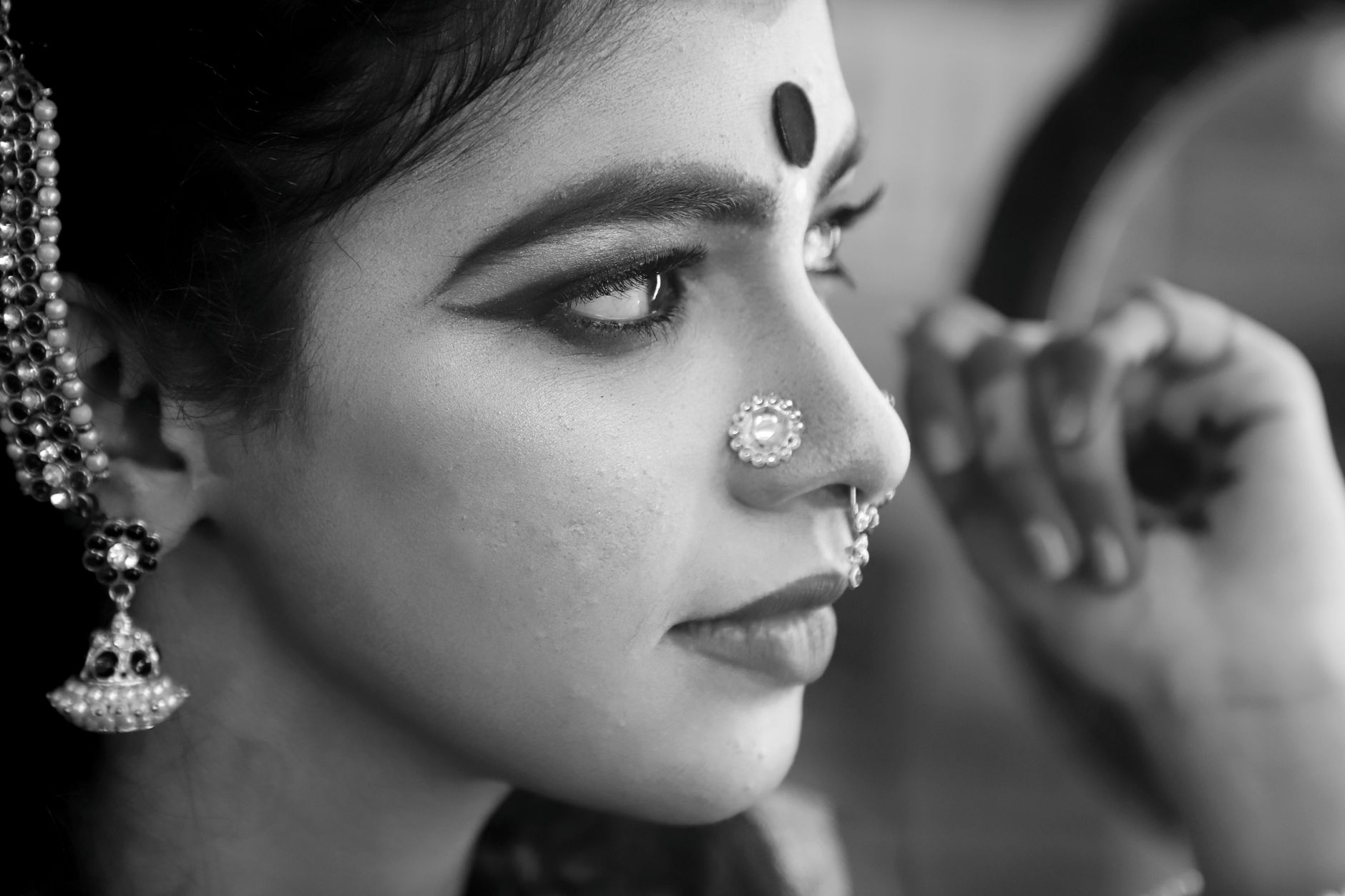
She told me how her daughter landed in trouble for posting a photo on social media wearing a bindi, the small forehead dot traditionally worn by many Indian women, especially Hindus.
Her sister’s daughters, who apparently keep tabs on everyone’s social media, spotted the photo, shared it with the rest of the family, and turned it into a full-blown controversy.
The best part?
The girl refused to delete the photo.
I told my neighbour something I genuinely believe. If someone has an irrational “allergy” to something completely harmless, the solution isn’t to hide it. The solution is to let them see it so often that it eventually becomes normal.
If a harmless bindi causes outrage, keep wearing it until people get used to seeing it.
If colours like saffron, orange, or green trigger unnecessary controversy, keep wearing them until they stop attracting attention. This is related to the incessant mockery that the actress Priya Prakash Varrier faced in Kerala from a journalist for appearing in a Cuticura campaign wearing a Orange coloured outfit (or in his words “Saffron-coloured”). She had chosen the outfit simply to match the brand’s colours. Even something as ordinary as a dress colour became a point of criticism.
Similarly, if being divorced is treated as a stigma, then more divorced people should stop hiding, own the label without shame, and help normalize it.
That’s how irrational taboos lose their power. Not through arguments, but through familiarity. When ordinary people refuse to feel ashamed of harmless personal choices, those choices gradually stop being controversial.
I’m obviously not saying, “Keep using drugs until people get used to it.” I’m talking about harmless personal choices, whether it’s wearing a bindi, choosing a colour, or being divorced, that other people feel entitled to police.
The more these everyday choices are seen in public, the less power stigma and social policing have over people’s lives.
***
Photo by Sharath G.


You must be logged in to post a comment.