The Sad Part of Travel No One Warns You About

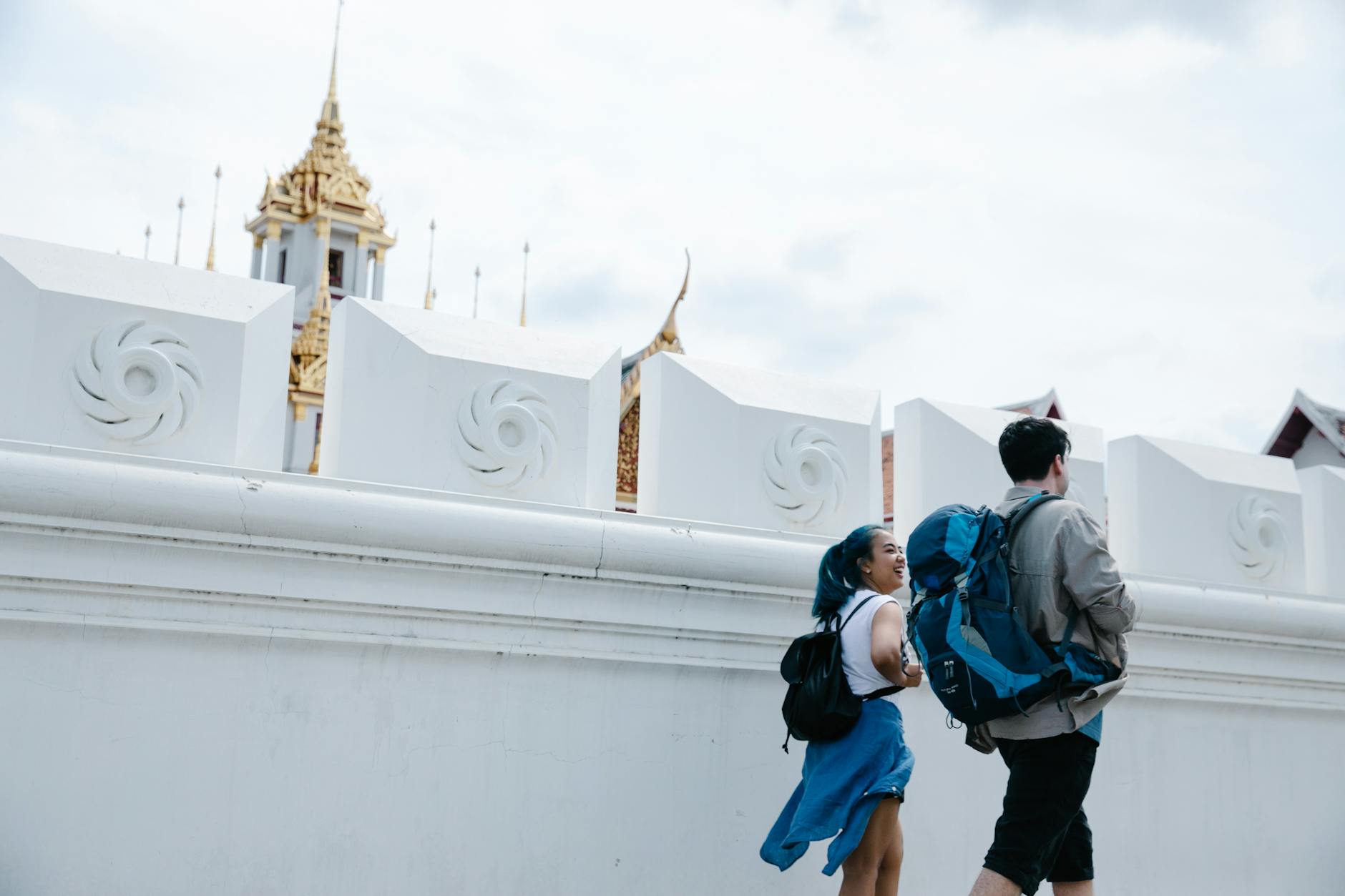
Travel Photo

Most people say travel is rejuvenating, but no one really talks about what happens after the trip ends. This feels especially true for people with desk jobs, regular 9-to-5 schedules, or the kind of overtime-heavy work culture that has become common in India.

Once you return from travelling, you are often left with an unsettling feeling. You begin to realise how much of your life is spent restricted to a desk, tied to routines and responsibilities, while there is an entire world outside waiting to be explored. New cities, different cultures, mountain roads, local food, conversations with strangers, and experiences that make life feel bigger than your daily routine. Travel has a strange way of making ordinary life suddenly feel very small.

The truth is that most of our lives are spent working. We spend decades chasing stability, salaries, deadlines, and financial security. Only after retirement do many people finally get the chance to explore the world properly, spend more time on meaningful things, or simply move through life at a slower pace without constantly watching the clock.

After my recent trip, I finally understood why many people choose to limit travelling to retirement. Because when you travel while still working, the months that follow are spent thinking about retirement itself. You start questioning the structure of life in a way you probably never did before.

I think most people are not really craving luxury nowadays. They want peace. A chance to step away from competition, pressure, expectations, and the endless cycle of productivity. But financial responsibilities keep most of us attached to the lives we currently live. And if you think about it, it really is a sad state of affairs. So much of life passes without us truly knowing the world outside our routines. We spend our healthiest years working, saving, and postponing experiences for “someday.” Then, when we finally have enough time and freedom to explore, our physical health may no longer allow us to travel the way we once dreamed of.

Sometimes it genuinely feels like a trap. That is just how modern life is designed. The very rich can afford to live slowly, travel often, and experience the world freely, while the rest of us remain tied to jobs so we can eventually retire with enough money to live comfortably later in life. Until then, most people continue surviving between deadlines, stress, and short vacations that end far too quickly.

It has now been two months since my trip ended, and the feeling of missing the mountains still has not faded. I miss the slow life and mental peace I experienced there deeply. Returning has brought a quiet sadness that has stayed with me ever since. During those ten days of travelling, I experienced bliss as I consciously stayed away from the internet and social media. Honestly, it felt like a relief. When you are travelling, you do not really need distractions because the world around you becomes interesting enough on its own. Every moment feels fuller and more present.

Back home, though, life goes back to screens, schedules, and desk work. And sometimes the internet becomes the only way to explore the world when your real life feels limited to routines.

So now I sit with these thoughts quite often. There is a sombre feeling attached to them. I acknowledge these emotions and quietly hope that one day I return to the version of myself that existed before the trip, when I did not constantly think about whether I was missing out on life, the world, new people, or new experiences. Back then, work and everyday routines felt enough. I was content simply engaging daily with the people I already knew and focusing on responsibilities without questioning life too much.

But travel changes something inside you. That is the difficult part about it. It is both beautiful and cruel at the same time. It opens your eyes to how much more life has to offer, while also reminding you how little time most people actually get to experience it. As the euphoria of the trip fades, the ache lingers.

***

Photo by George Pak

Accused (Netflix): A Promising Queer Romance That Loses Steam

Konkona Sen Sharma and Pratibha Ranta in Accused Image

I knew I would be watching Accused on Netflix the moment I saw the lead pair: Konkona Sen Sharma and Pratibha Ranta. I have always liked both actors, so that alone was reason enough to hit the play button. But what really caught my attention was the theme of queer romance. In Indian cinema, stories about same-sex relationships are still relatively rare, which makes films like this especially interesting.

Over the past few years, India has slowly begun opening up to conversations about LGBTQ+ relationships. What once felt shocking to mainstream audiences is gradually becoming part of everyday discussion. That change did not happen overnight. It is the result of efforts from many sides: legal changes like the decriminalization of homosexuality in India, activists who have spent years spreading awareness, and filmmakers who are willing to tell stories about queer love on screen. Because of that collective push, movies exploring same-sex romance are finding space in Indian cinema.

I still remember when the Malayalam movie Kaathal: The Core was released. It remains one of the Malayalam films I feel proud of. I saw its impact firsthand at a family event we attended around that time. Some of my elderly relatives actually began discussing the theme of the film. It was clear they were still a bit uncomfortable talking about homosexuality, but the conversation itself was a big step. What surprised me most was that a few of them were able to acknowledge that homosexuality is real and not something a person can simply control or change. And the reason they were willing to even consider that perspective was simple: Mammootty was part of the film. Seeing an actor from their own generation portray such a character helped normalize the topic for them.

That moment reminded me of the real impact cinema can have. Movies are not just entertainment. Sometimes, they quietly open the door to conversations that people would otherwise avoid.

Getting back to the movie in question, Accused begins on a fast-paced note. The opening pulls you in immediately, and there is enough intrigue to keep you watching as the story unfolds. For a while, the film manages to hold that tension well. Unfortunately, the narrative loses some of its strength towards the end, and the impact is not quite as powerful as the beginning promised.

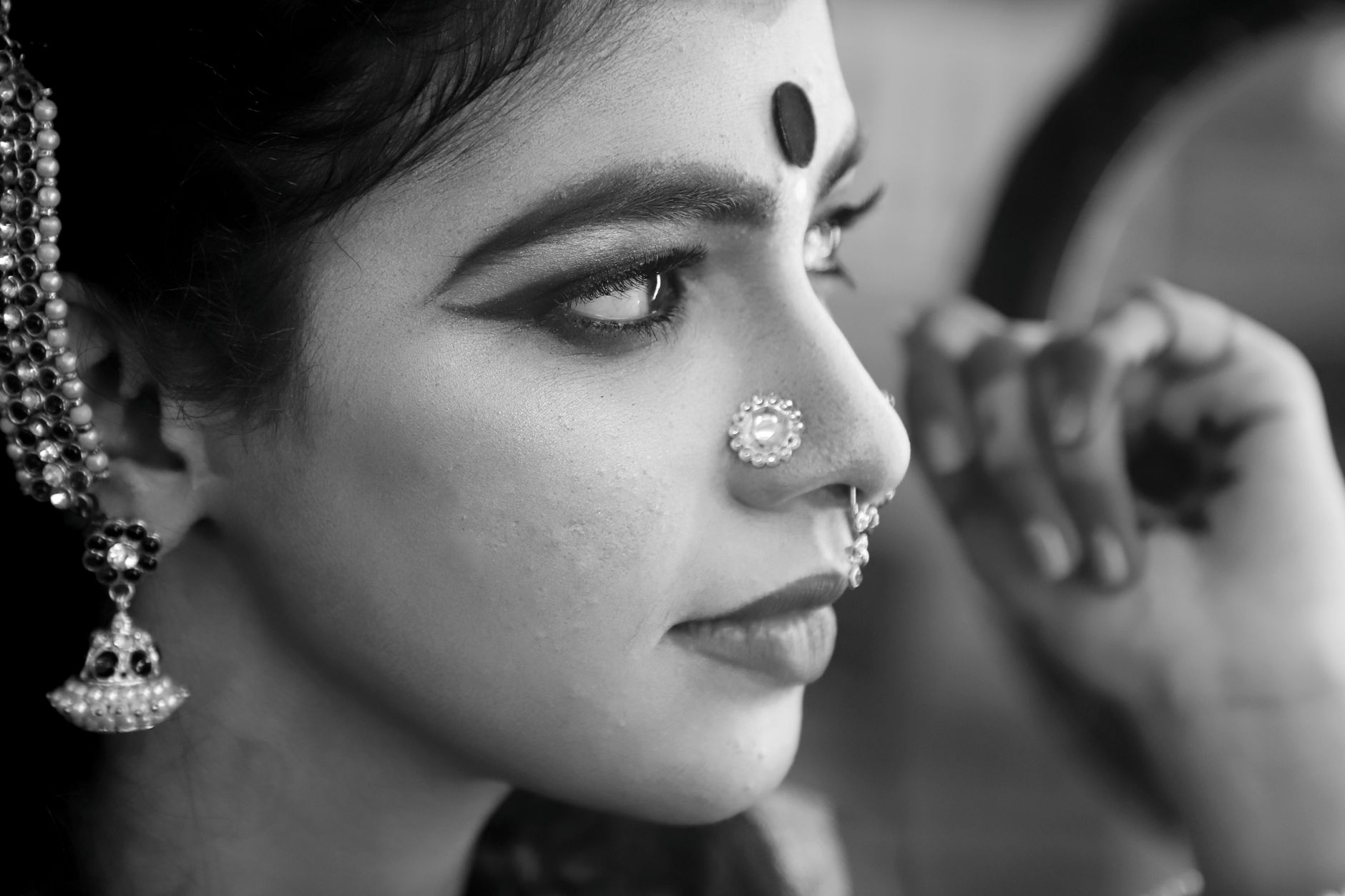
That said, the performances are a big highlight. Konkona Sen Sharma and Pratibha Ranta are both wonderful to watch. Pratibha, in particular, looked great throughout the film. I even found myself noticing her earrings more than once. She has mostly been seen in village girl roles so far, so it was refreshing to see her play a modern, city girl in this Netflix film. I am definitely looking forward to seeing more stories featuring her.

Konkona, as expected, delivers a strong performance. Her character is aggressive, ambitious, and very clear about what she wants. She does not soften her words to make others comfortable, and that confidence makes her come across as a true “boss girl” personality. At the same time, the film also shows how women like her often end up being judged or disliked for the same qualities that would be admired in men.

Overall, Accused starts off as a gripping Netflix drama with an interesting queer romance angle and strong performances. Even though the ending feels a bit underwhelming, the film is still worth watching for its lead actors and the way it brings conversations about same-sex relationships in India to a wider audience.

Why I Stopped Buying Newspapers

I was the news explainer in my friend’s group.

I took it as a mission to understand current events, politics, issues, science, and other topics published in the dailies. I then took great joy in explaining to others what I learnt. It made me feel like a teacher. I felt like I was doing a service.

People do not have the time to read newspapers in detail or view online debates or discussions nowadays. They are not interested in digging deep because it takes a lot of time. But I was! I used to go through all news portals.

I hoped my explainers would aid busy friends in making better decisions and voicing better thoughts.

None of that happened.

It was a stark realization that no number of facts can change someone’s thinking if they are adamant on sticking to their beliefs.

Then I did the unimaginable. I stopped buying newspapers.

One fine day, after reading another mentally distressing news article, I knew it was time to let go. Why pay for something that mentally drains you? We pay therapists to help us, and then we pay to get our daily dose of pessimism from the papers.

A never-ending cycle.

Negativity sells. So you cannot really blame the papers. You will never see happy news printed in big, bold font types on the front page. That’s reserved for the shockers because that is the type of news that sells.

It is human psychology to drift towards things that are infuriating, depressing, triggering. Have you noticed how our mind suddenly decides it’s time to worry about something when we are in a state of bliss? It will rewind to the past and remind you of all the dreadful things. Or it will flash forward to the future and nudge you to start feeling concerned for yourself.

Our brain is just not wired to be in a state of joy 24/7.

Letting go of newspapers was hard. But I realized, if I paid for it, I would keep pushing myself to read it whether I wanted to or not – only because I did not want my money to go to waste.

I understood I wasn’t really reading the papers to enlighten myself of worldly matters, rather I was subjecting myself to it because I subscribed to it. It felt like a chore. It is like paying and getting a gym membership. Shelling out cash is a big motivator to get things done.

How did I feel when I stopped buying newspapers:

  • A bit lost at first and a lot of doubt “How am I going to survive without knowing everything in the world in-depth?
  • I slowly started getting used to it.
  • I realized I could live without reading every bit of news out there.
  • The important news always found its way to me – through social media, people around me, and google alerts set for the news type I wanted to receive.
  • Finally, a peace of mind.

I felt less cranky about things, less triggered when I let go of newspapers. The publishers send emails, messages with discount codes for annual subscriptions to lure me back in. I am not yet ready to make that commitment. I am not yet ready to sacrifice my uncluttered mind. I feel free, calm and composed.

Rape, deaths, racism, sexism are all important topics to cover. To read about them every day, though, is emotionally disturbing for someone sensitive like me. Speak up when you have to – your voice counts. But also know it is important to take breaks. If you find yourself getting agitated very often and it is affecting your relationships, it is time to cut off from the negatives. Your mental health should hold precedence over everything else including negative newspapers.

Breathe in the good shit.

Breathe out the bullshit.