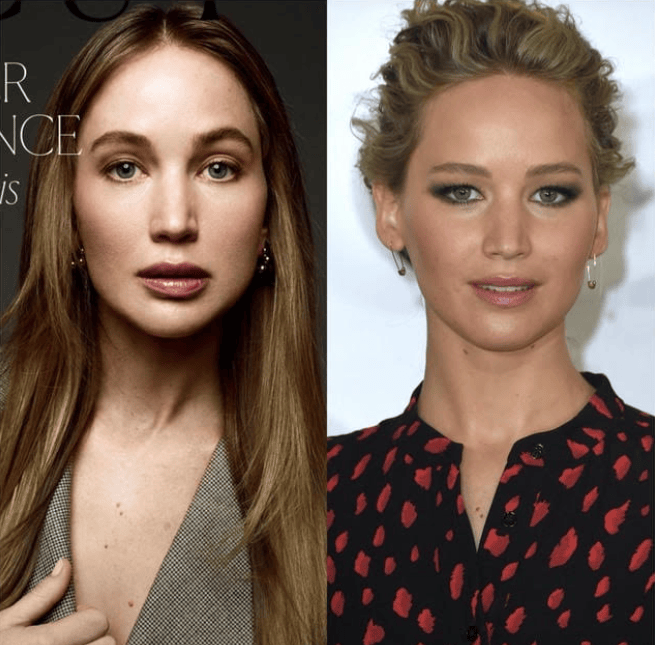
Recently, I came across a magazine cover shoot featuring Jennifer Lawrence. Looking at the photographs, I noticed how different her facial features appeared. I felt a little sad that she seemed to have changed some of the features that made her unique, especially her partially hooded eyes. As someone who has hooded eyes myself, I have never really felt the need to change them.
Growing up, I was the “ugly” child. I had thick glasses and a stick-thin figure. I never really grew up receiving much attention or hearing compliments about my appearance. What I did experience, though, was plenty of comparisons with my mother and sister, both of whom were much better-looking than me.
I still remember an aunt telling my mother, “How did you get a daughter like her?” The implication was quite clear. I wasn’t particularly good-looking. I remember silently crying. But thanks to my thick glasses, nobody noticed.
I also remember my sister’s college friends looking at me and judging my appearance, almost as if they couldn’t believe that she had such a dorky-looking sister.
I would have loved for someone to defend me back then, even if it was just to say, “Nah, she’s the cutest!” (even when I clearly wasn’t). Instead, such comments were usually brushed aside, as though nothing had happened. A very Indian trait!
But even through all of this, I never once thought about getting plastic surgery or changing my facial features.
Looking back, I realise that many of our insecurities about our physical appearance actually stem from other people. You might look at yourself in the mirror or at a photograph and see absolutely nothing wrong. Then someone comes along and offers their two cents about your appearance, something you never even asked for. And suddenly, you start noticing things you had never considered flaws before.
Even now, I occasionally hear comments about how big my nose is or how crooked my smile looks. But the funny thing is, I don’t see myself that way. I actually like what I see in the mirror. My so-called imperfections are part of what makes me unique.
My experiences have also taught me that pretty privilege is very real. I received next to no attention when I was considered unattractive, but as I started looking more conventionally decent, I noticed people treating me with more warmth. It was an interesting thing to experience. It explains why I no longer let either compliments or insults about my appearance get to my head. Beauty and physical appearance are, after all, superficial things.
What concerns me more these days is seeing children who are far prettier than I ever was at their age talking about getting cosmetic procedures and changing their appearance. I honestly don’t know what to say.
I suspect a lot of it has to do with social media and the unrealistic beauty standards it sets. There seems to be an unspoken pressure to look perfect all the time, whether it’s having flawless skin, a perfectly proportioned nose, a particular eye shape or an Instagram-worthy appearance.
When even youngsters start thinking about changing their features, it makes me wonder what kind of message we are sending nowadays about beauty and self-acceptance.
Ever since I watched the Ramayana trailer in the theatre (this was during Spider-Man: Brand New Day), I knew it was going to be a visual treat. A must-watch in theatres. But with immense work pressure over the past week, I felt more inclined to rot at home and relax over the weekend than to head out. I had to push myself, mainly because I was worried the movie might not run for too long in Keralam.
I’m glad I made that decision. It’s also great to see the movie doing exceptionally well in Keralam and that my worries were unfounded. It has even surpassed Dhurandhar 2 in box office collections, making it the highest-grossing Bollywood movie in the state.
Getting back to the movie, what can I say? I was completely blown away by the CGI and VFX. If you haven’t watched it in theatres yet, OMG, what are you waiting for? It’s absolutely worth spending three hours on. So proud to see a movie of this scale come out of India (all the more reason to experience and support it on the big screen).
My favourite character in the movie wasn’t Ram (played by Ranbir Kapoor) or Ravan (played by Yash), but Lakshman. He’s such a charmer. Ravi Dubey, who plays Lakshman, has become an icon of sorts in Thailand, where the movie is breaking box office records.
I expected Sai Pallavi to recreate her Shyam Singha Roy look, where she looked drop-dead gorgeous with that stunning eye makeup and attire. I felt the makers could have done a lot more with her look. But I also dislike comments suggesting that another actress, basically someone “fairer”, would have looked better in the role. That’s colourism, right there. I love Sai Pallavi, and I felt she portrayed Sita with the innocence the character deserved.
Jatayu Stole the Show. Period.
The Jatayu fight scene is undoubtedly the highlight for me. It was mind-blowing. Seeing children cry after the fight scene made me realize the extent of the impact Jatayu had. Not to lie, I felt a bit emotional too. The visuals during the fight were extraordinary.
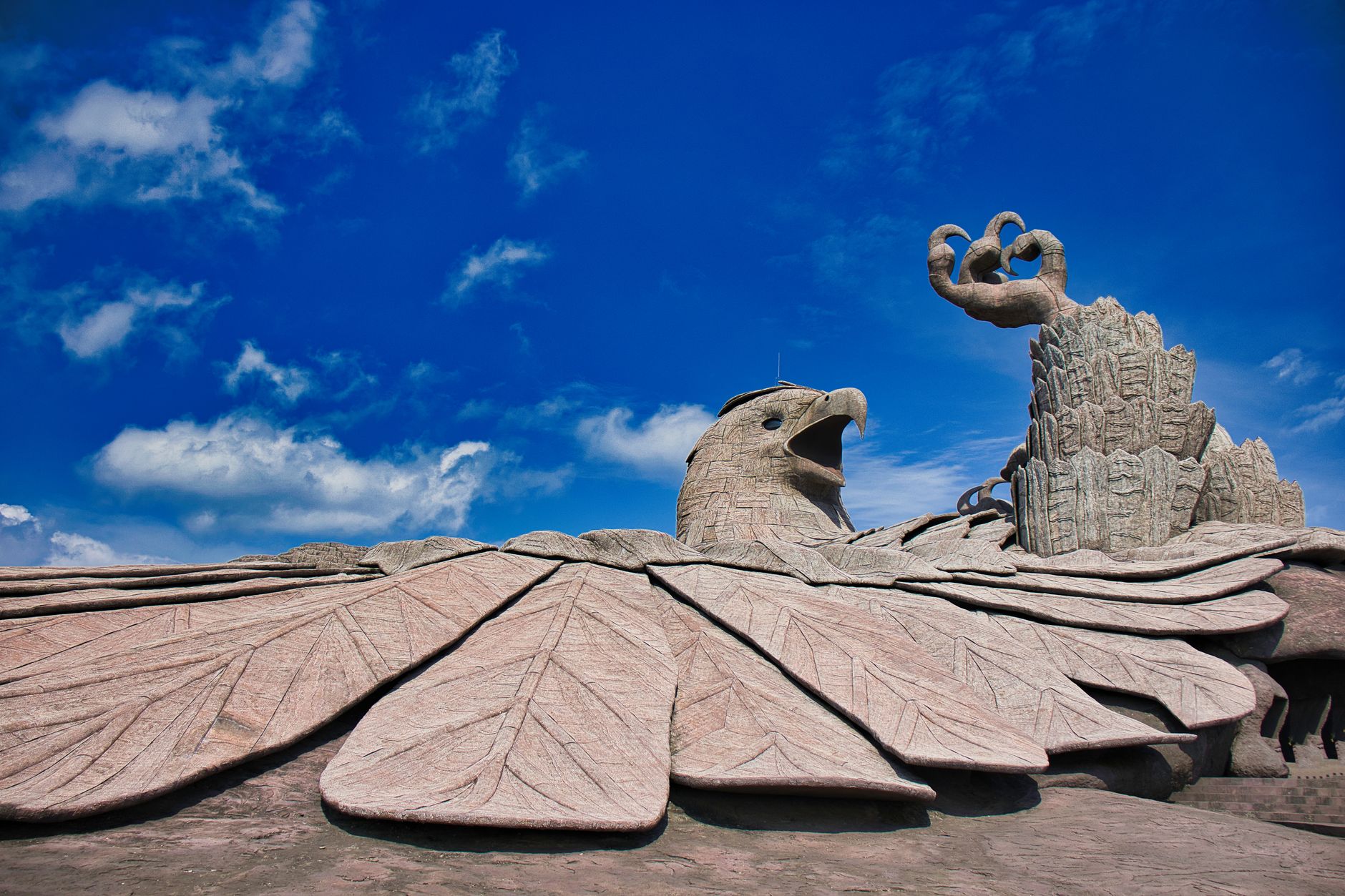
Jatayu Earth Center. Photo by Prakash Achari.
And yes, Jatayu fell in Keralam, not Andhra, at a place called Chadayamangalam in Kollam (which is where the Jatayu Earth Centre is located). The location is gaining immense popularity after the release of Ramayana. I’m in Kerala and have still not managed to visit this place. I had actually suggested this spot to my relatives several times in the past, but they weren’t particularly interested. Their reasons? It’s too far from where we stay, it would be too hot and humid, and there’s too much walking involved. I hope the movie has finally sparked some interest in them. Maybe they’ll agree to visit now.
Inspirations & Adaptations
Coming to the story, the movie doesn’t strictly follow the original Valmiki Ramayana. But the makers have already included a disclaimer at the beginning, stating that the film draws inspiration from various retellings of the epic. So it’s understandable that they’ve borrowed elements from modern adaptations.
Some of these adaptations portray Ravan as an oppressed figure (he and his clan were anything but oppressed in the original Valmiki Ramayana) and Sita as a fighter. These interpretations, which are also part of the movie, may not align with the original epic, but we can let some of it go by considering it as part of the filmmakers’ creative freedom.
Another noticeable departure is Sita Haran, or Sita’s abduction by Ravan. It wasn’t depicted in the way it happened in the original epic, where she was taken by force.
So, I would say there’s definitely an attempt to humanise Ravan, if not outright whitewash his character. Could Yash’s involvement as a co-producer have something to do with this? Maybe a more nuanced portrayal of Ravan was a creative choice. Probably they did not want an outright negative portrayal because it might not sit well with some of his fans. This is merely speculation. We might never get to know the full extent of the truth.
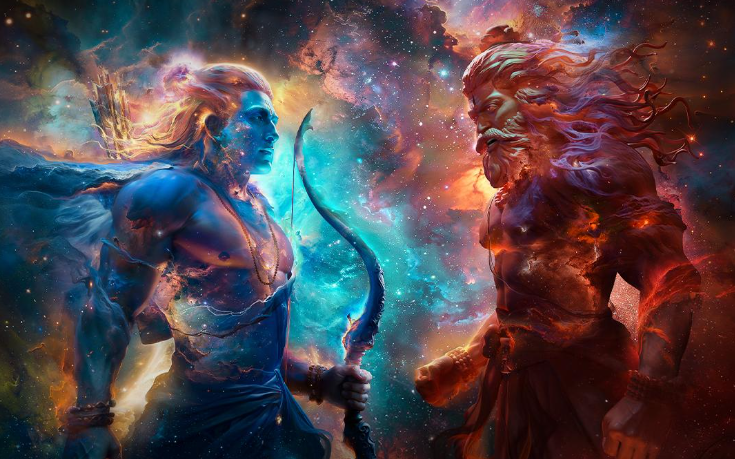
On a completely different note, I absolutely loved how the gods, Brahma, Vishnu and Shiva, were portrayed in the movie. I have always loved Naveen Concepts‘ artwork on Instagram and have often wished to see that kind of visual interpretation in movies, where gods are presented as celestial bodies rather than humanoids. Ramayana gave me exactly that. It was such a treat to watch.
One particularly interesting interpretation of Ravan: “The one big risk was Ravan’s ten heads. They literally made them ten personalities fighting inside his mind.” This was from another modern adaptation. Quite an innovative interpretation. I liked it!
Another interpretation I remember is from a book called The Palace of Illusions. The novel is a retelling of the Hindu epic Mahabharata from Draupadi’s perspective, essentially that of a woman navigating a patriarchal world. I did not particularly enjoy the language, so I couldn’t get past the first few pages. Yet, it’s immensely popular among readers with left-leaning views.
One thing that isn’t lost on me is that young children watching Ramayana today might come away with the impression that Ravan was an oppressed figure, someone who genuinely cared for his people and was misunderstood. The visuals shown at the beginning of the movie certainly create that impression. These children may not have read the original Ramayana to understand the larger context.
With parents today not always making the effort to pass these traditional stories down to their children, there’s a possibility that such portrayals could eventually become their understanding of the original epic.
That said, none of these observations take away from the fact that Ramayana is exceptionally well made. The visual spectacle, CGI, VFX and overall cinematic experience deserve all the appreciation.
How I Grew Up Learning about the Ramayana
My own knowledge of the Ramayana came primarily from Amar Chitra Katha comics, which are based on traditional versions of our epics, including Valmiki’s Ramayana. My parents weren’t really storytellers. But they got me these books, and I was genuinely interested in reading them. I must have gone through them several times, although I don’t remember every detail now.
My paternal grandmother also made a conscious effort to read stories from the original Ramayana and Mahabharata to us whenever we visited Kerala during our summer vacations from Bahrain. I still remember those days. She was a wonderful storyteller, and my sister and I would sit there, completely mesmerised.
Then there was a cousin’s husband who would narrate stories to all of us cousins. He would even conduct little quizzes at the end to test how much we had remembered. I used to ace those quizzes.
But, again, I don’t remember most of those stories now. I really need to get my hands on those Amar Chitra Katha books again and refresh my memory.
Some childhood memories are worth revisiting. This movie has given me the perfect reason to do just that.
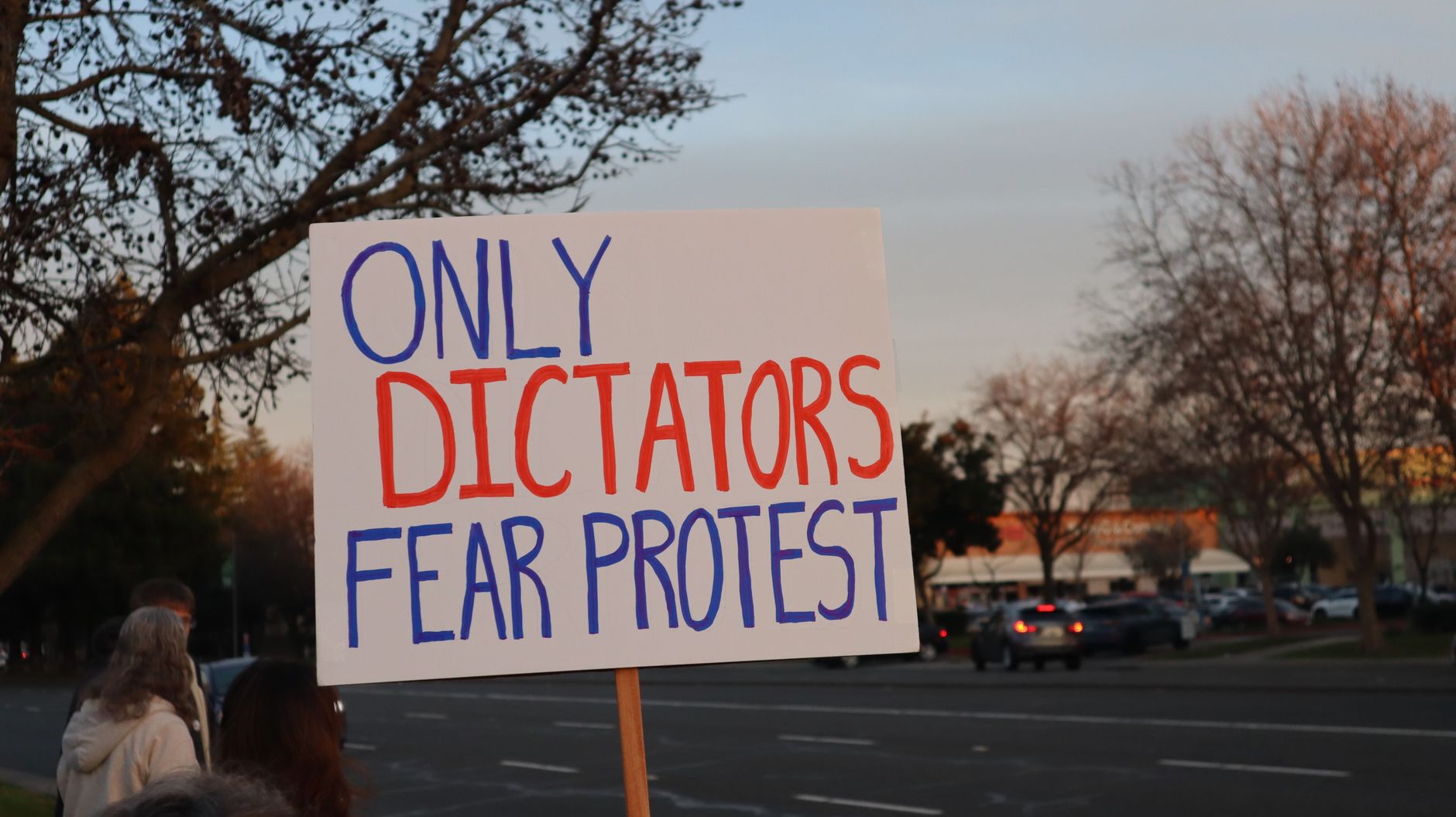
Whenever I see people throwing around the word “dictator” during protests, I often wonder how I would behave if I were a dictator in India. Yes, I spend time thinking about the most ridiculous things. Creating imaginary scenarios is something I genuinely enjoy. And let’s face it, we all have some dictatorship/authoritative qualities waiting to see the light of day.
So, what laws would I, as an Indian dictator, introduce in India? What everyday problems would I finally fix? And how much power would go to my head?
Well, here’s what my dictatorship would look like. Don’t worry, this is all hypothetical.
Ban vehicles for journeys under 2 km. You will have to walk unless you’re going to a hospital. Pollution? Reduced. Traffic? Reduced. Public health? Improved. I don’t care what people who love driving think. I’m a dictator, after all.
5 years in prison for not stopping at pedestrian crossings. Pedestrians shouldn’t have to risk their lives just to cross a road.
CCTVs everywhere. Anyone caught littering, spitting paan, or urinating in public gets 15 years in prison. Let’s see how clean our streets can get when everyone knows they’re being watched.
30 years in prison for deliberately destroying public infrastructure. If someone damages public property on purpose, they should face serious consequences. Why should the rest of us pay for someone else’s stupidity?
Four “no-men” nights to begin with. Women should be able to roam around freely without constantly worrying about their safety. I’d introduce four nights when women could reclaim public spaces without the usual fear and restrictions. Every time a rape occurs, I’d add another night. Four nights could become weeks, months, and eventually years.
2 years in prison for never celebrating anything INDIAN. I’m talking about celebrating India as a whole, not just Kerala, not just Bengal, and not just any one state or region. INDIAN. I’d like to see more people take pride in the country as a whole.
Ban the word “dictator” before anyone can use it against me. Obviously, I can’t have people questioning my authority. What kind of dictator would I be otherwise?
There you have it. My grand plan for running India if I ever became a dictator. I shared this with my friends, and they argue it’s not very dictator-like. But remember, there will be absolutely no freedom to contest any of these rules.
Would the country become cleaner, safer, and less chaotic? Maybe.
Would I become increasingly authoritarian along the way? Absolutely.
If you were a dictator for a day, what laws would you introduce? Laws that no one can say no to.


You must be logged in to post a comment.