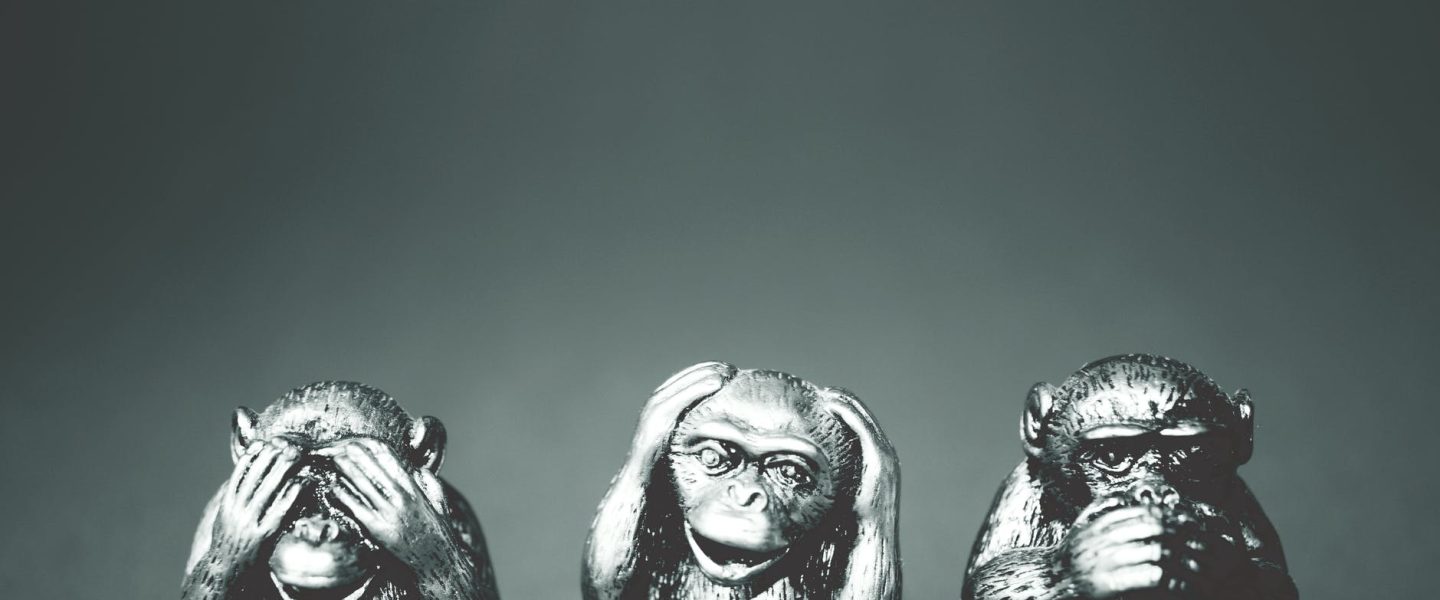

So I’m in my 40s now, and one thing I’ve noticed lately is just how serious many of my peers have become.
Of course, the reason is obvious – life happened. Careers happened. Marriage, kids, ageing parents, bills, responsibilities… they all have a way of changing you. It’s not like our 20s when many of us had fewer worries and life felt a lot more carefree. Growing up changes everyone.
But even then, the transformation is fascinating.
I’ve seen people who once had the most ridiculous sense of humour become almost unrecognisable. The ones who could turn any conversation into a comedy show are now quiet, serious, and sometimes even a little weighed down by life. It’s sad to see, but I understand it. That’s what life does.
That seriousness has shifted online too. Most of the funny content is by Gen Z.
I’m guilty of it myself. Somewhere along the way, I also started posting only about serious issues rather than silly ones. I look at my old posts on Facebook and don’t recognise myself either.
Surely life isn’t meant to be taken this seriously all the time?
Take the Reposts tab on Instagram, for example.
When I open someone’s reposts, I’m hoping to learn something about them. What kind of humour they enjoy. The movies they love. The random memes that made them laugh. Maybe a dog video that melted their heart. Something that tells me who they are.
Instead, I often find an endless stream of political posts.
By the time I leave their profile, I know exactly which political party they dislike, but nothing else about them.
It’s strange. Politics has become such a huge part of social media that it’s slowly replaced personality. Our online identities now revolve around what we’re against instead of what we enjoy.
I’m trying to disconnect from all of it, but it feels like a lost cause. In India, there’s almost no escaping politics. Even when you’re sitting in a hospital waiting room in Kerala, there’s usually a news channel playing on the TV. It’s as if we’re not allowed to switch off from the constant political noise, even when we’re unwell.
And when did millennials become this serious?
We were genuinely funny. I would even argue we were funnier than Gen Z.
Every now and then, I go back and read old Facebook posts and comments, and it’s like opening a time capsule. People teased each other endlessly. There was harmless banter, ridiculous inside jokes, and conversations that wandered off in every direction.
Nobody was trying to go viral. Nobody cared about engagement or reach. We were just… hanging out online.
Of course, social media algorithms haven’t helped.
Today, a post from your friend with 4 likes gets buried, while a random stranger whom you’re not following ends up at the top of your feed.
Half the time, when I open Facebook, I’m looking at people I’ve never met. If I actually want to see what my friends are posting, I have to switch to the Friends feed. Extra steps, too cumbersome, leading to less engagement.
I really hope someone builds a social media platform that brings back what made the early internet so much fun. A place where the goal isn’t chasing likes, growing followers, or gaming the algorithm.
Just a place where friends share everyday moments. Random thoughts. Terrible jokes. Blurry photos. Half-baked opinions. Embarrassing stories.
You know… life.
I would join that platform in a heartbeat.
***
Photo by MART PRODUCTION


You must be logged in to post a comment.