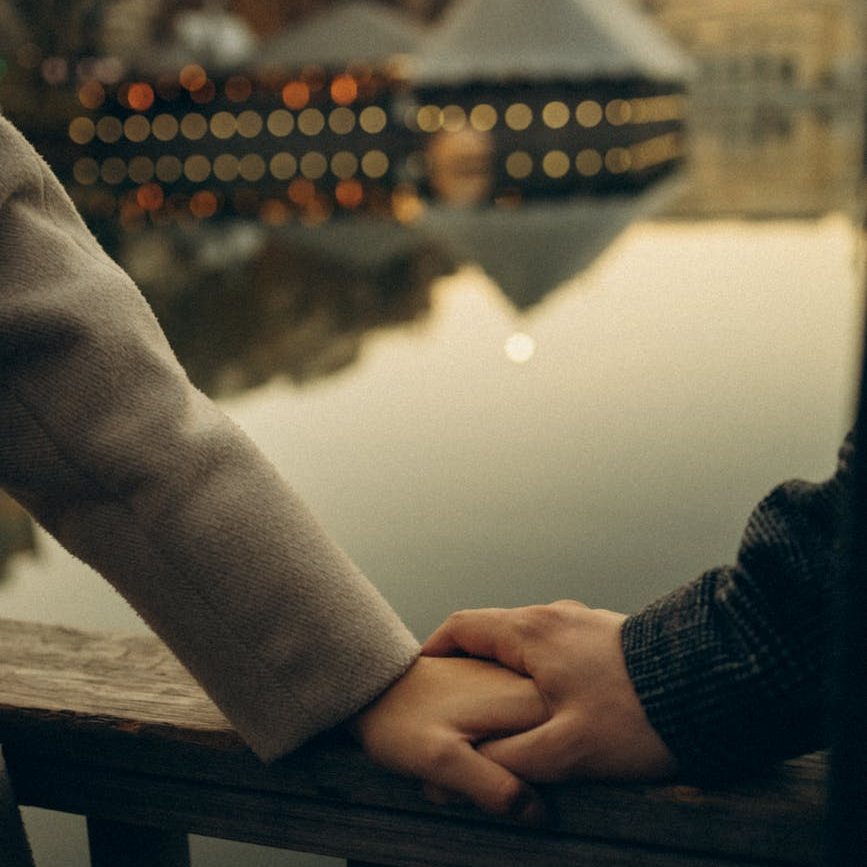
I recently watched Jovita George’s “Dating After Divorce” video on YouTube. First of all, kudos to her for creating such a video. This kind of content is still not very common, and many women, especially in the Malayalee community, hesitate to talk openly about their divorce stories. So seeing Jovita share her experience really impressed me. It has also motivated me to talk about my own journey with relationships (and also friendships) after divorce. So here goes.
Lessons and Red Flags
I will start not with relationships, but with the judgments you face as a divorced woman.
This may not be everyone’s experience, but after my divorce, I often sensed a certain judgment from people around me, not always from my male friends, but from the women in their lives.
For example, a male friend’s wife suddenly became suspicious of me, as if divorced women are seen as people who “prey” on married men. No one says it openly, but the distrust in their eyes makes it obvious. This was especially frustrating because I have always been careful around married men, even those who were flirtatious. I never encouraged them as I was always mindful of what their wife would feel. Yet society is quick to judge a woman the moment a man interacts with her.
It also became clear that many men, both married and unmarried, see a divorced woman as “easy.” They approach you often for casual fun. “Friends with Benefits.” Because you are deemed as someone who’s not serious about relationships, because you chose to “throw away” a marriage. It feels sad, but it happens.
This stereotype gets even stronger because of how movies and dramas show divorced women. They’re often portrayed as someone trying to break another woman’s marriage — the evil, overly glamorous vamp who cares only about herself. You hardly ever see a divorced woman on screen who’s just like anyone else, someone who wants warmth, kindness, and love.
So a divorced woman who wants something serious needs to stay alert and filter out these shallow bonds.
Finding Love Again After Divorce
I eventually got into a long, serious relationship. We met through mutual friends, and at first it felt promising. But it soon went downhill. I realised he was never truly serious. And the reason was my divorce status. That hit hard. It felt like he was embarrassed by who I was.
That’s something divorced women should watch out for — a man can say he’s serious, but you only know the truth when his actions match his words.
The gaslighting made it even worse. He made me think I shouldn’t feel the way I did, even when I felt disrespected. It was mentally draining, yet I held on because I wanted the relationship to work. His anger and verbal jabs made me anxious, and over time, they chipped away at my confidence.
When that relationship ended, I was shattered. I had loved him despite all the red flags. But the truth was hard to face — I don’t think he even saw me as a friend. There was no warmth, no respect. It’s tough to process that after all the compromises you make.
That experience changed me. It made me far more cautious about getting into a relationship again.
Slow and Steady
After that, I met someone by chance. A divorced man, part of my school group. He’s someone just as cautious as I am, so we take things slow. Both of us carry scars from our past. Probably why we’re kind to each other. Even when we fight, we stay respectful. That matters a lot to me, considering my past hasn’t been so kind. He feels like home because he is steady and respectful. Still, after what I went through, a part of me wonders how long it will last, even though we’ve been together for years now.
We’re not chasing marriage. We just want respect and companionship. How long this will last, I really don’t know. When you’ve seen bad relationships, there’s always that little voice saying good times don’t last. He could be the one, or maybe not. Time will decide.
So this is what dating after divorce has been like for me.
And here’s a reminder for divorced women — other people’s judgments only hurt when you believe them yourself. Don’t bring yourself down just to fit their expectations.
***
Photo by Rina Mayer

 The Monkey Dilemma
You must be logged in to post a comment.