
I’m a divorced woman now in my 40s. Mine was a typical Indian arranged marriage in my 20s. I had said yes to a proposal after saying no to many others, simply to keep my parents happy. They were worried that I didn’t want to get married at all. Back then, moving away from your parents or going against their wishes over something like marriage wasn’t really an option. You just did what they wanted.
Unlike my cousins and my elder siblings, who were eager to get married, I knew the typical Indian marriage scenario wasn’t for me. I realized this when I was still in my teens and early 20s. I’m an introvert who loves her alone time, more than the average introvert. I’m borderline a loner. Anyone who knew me as a kid can vouch for this. I rarely left the house. I still don’t. The activities I enjoyed as a kid remain more or less the same activities I enjoy now – reading, listening to music, watching TV, zoning out.
So, the idea of entering an Indian arranged marriage with a complete stranger, suddenly being expected to feel “love” for this person, giving up most of my free time, and making an effort to stay in touch with his family members and friends on a regular basis? I wasn’t sure I was cut out for any of it.
It’s easier for a man to remain a loner even after getting married. He can keep his distance from his wife’s family, not attend every event, and face little to no criticism for it. I have seen this in my extended family. But an Indian woman is expected to play a much more social role in marriage. She’s supposed to make a conscious effort to bond with her husband’s family, stay in touch with relatives, plan get-togethers, attend all events, and do all the little things that keep everyone connected. For someone like me, who values her personal space, that felt like a lot to take on.
After watching my parents grow increasingly disappointed with my constant rejection of marriage proposals, I finally gave in. I’d even tried a few dramatic ways to get the guys to reject me. Think Roja style, claiming I had a boyfriend! In one case, things almost reached the engagement stage before I told the guy that I had no romantic feelings for him and was starting to develop sisterly feelings for him instead. I’m not proud of any of these stories. I know I hurt those guys, their families, and my own family in the process. Looking back, I wish I’d handled things differently. But I’m also empathetic towards the younger me, knowing that I did such things out of sheer desperation, as there was no other way out.
Until then, I’d been the quintessential “good girl” in my family. I did well in my studies, didn’t party late at night (obviously, due to my loner tendencies), was polite, and didn’t talk back to my parents. So, needless to say, they were quite taken aback when this new, rebellious side of me emerged. Suddenly, I was the daughter who is problematic because she didn’t want to get married.
Then, one day, after seeing my parents get emotional, I decided that I would say yes to the next arranged marriage proposal that came my way, no matter who the guy was.
My parents chose a guy. I thought he was fairly good-looking, and he seemed quite smitten with me at the time. I finally said yes.
And that’s how my arranged marriage happened.
My goal was simple: make it work somehow. I thought love might bloom eventually, just as people kept telling me it would. Maybe I would be one of those people who fell in love after marriage.
Around that time, Rab Ne Bana Di Jodi was released. I remember going to the theatre and feeling a little emotional when the song “Haule Haule Ho Jayega Pyaar” started playing. The line means that love will arrive slowly and steadily. At that point in my life, I genuinely felt as though the song had been written for me. I was sitting there, wondering the same thing over and over again: Will I ever fall in love with this person?
Society had taught me that love wasn’t all that important anyway. What mattered was settling down, getting married, and making the relationship work. So, I settled. But love never made its presence felt. And that frustrated both of us.
Looking back, I don’t think love ever stood much of a chance in our marriage because we were incompatible in so many ways. We weren’t compatible intellectually, emotionally, or physically. We could be two perfectly decent people individually and still bring out the worst in each other as a couple.
We belonged to the same caste, and our horoscopes matched. Everything was right on paper. Yet there was no warmth between us. Instead of feeling like two partners building a life together, our relationship felt like one bound by orthodox rules and expectations. He believed the husband should have the final say in decision-making. I was a feminist. He even told me that I shouldn’t read too many books because they would make me delusional about how the real world works. Apparently, ignorance is bliss. It was the first and last time in my life that someone told me reading was a bad habit.
Naturally, things went downhill.
Could I have said and done all the right things to keep the marriage going? Absolutely. But that would have meant spending a lifetime compromising, suppressing parts of myself, and settling for someone who wasn’t right for me. And honestly, it wouldn’t have been fair to him either. He deserved a partner who was genuinely compatible with him, just as I deserved the same.
This is what I wish more people understood. Being from the same caste and having matching horoscopes might tick the boxes that families consider important. But those things alone cannot guarantee a happy marriage. They don’t tell you whether two people share similar values, respect each other’s opinions, connect emotionally, or want the same things from life.
***
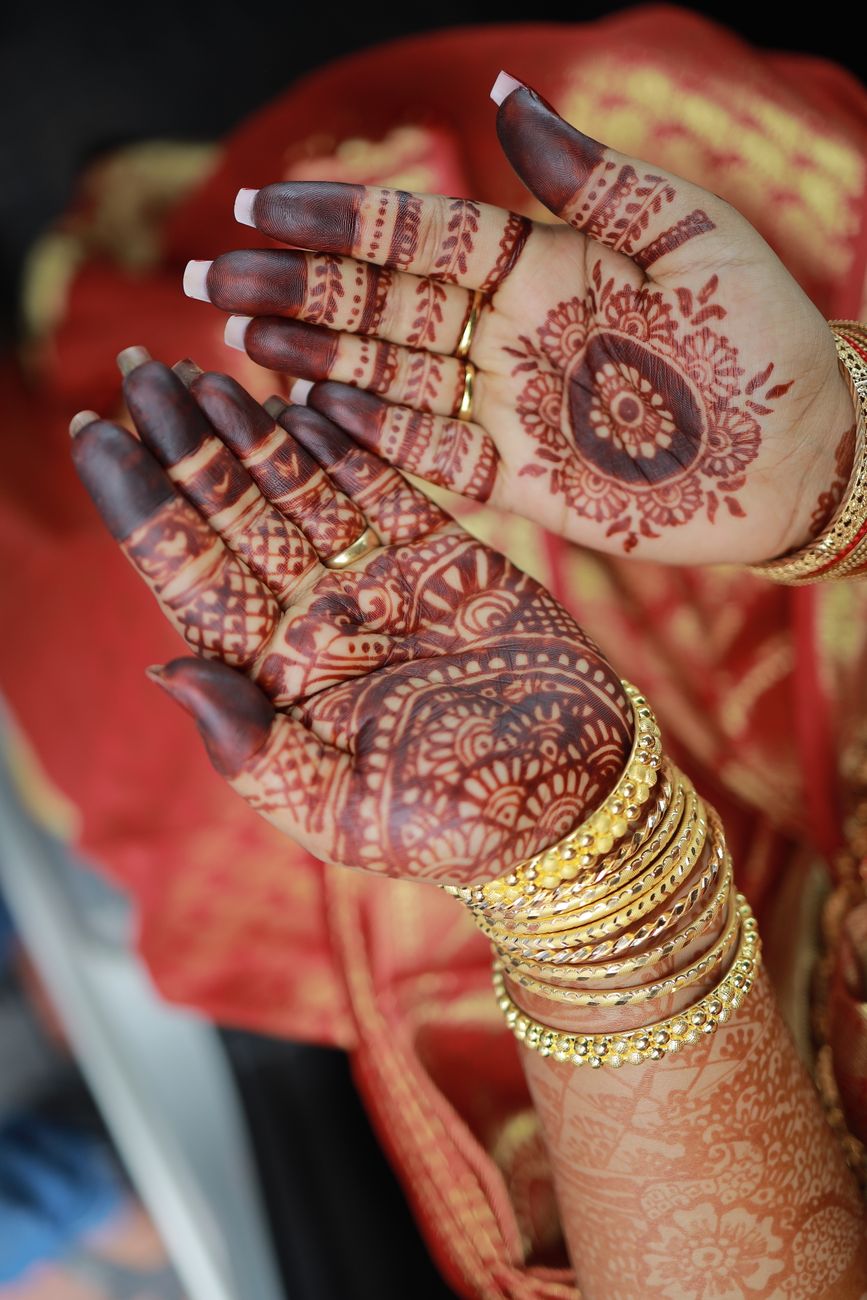
Photo by Anoop VS


You must be logged in to post a comment.