3 Reasons Why Moving Abroad Doesn’t Make Sense to Someone Like Me

The number of people migrating from India to other countries is increasing every year. The foreign dream does not seem impossible anymore. Parents are willing to help in any way they can just so their children can live a life they could not. If there are monetary issues, loans are taken, or assets are sold.

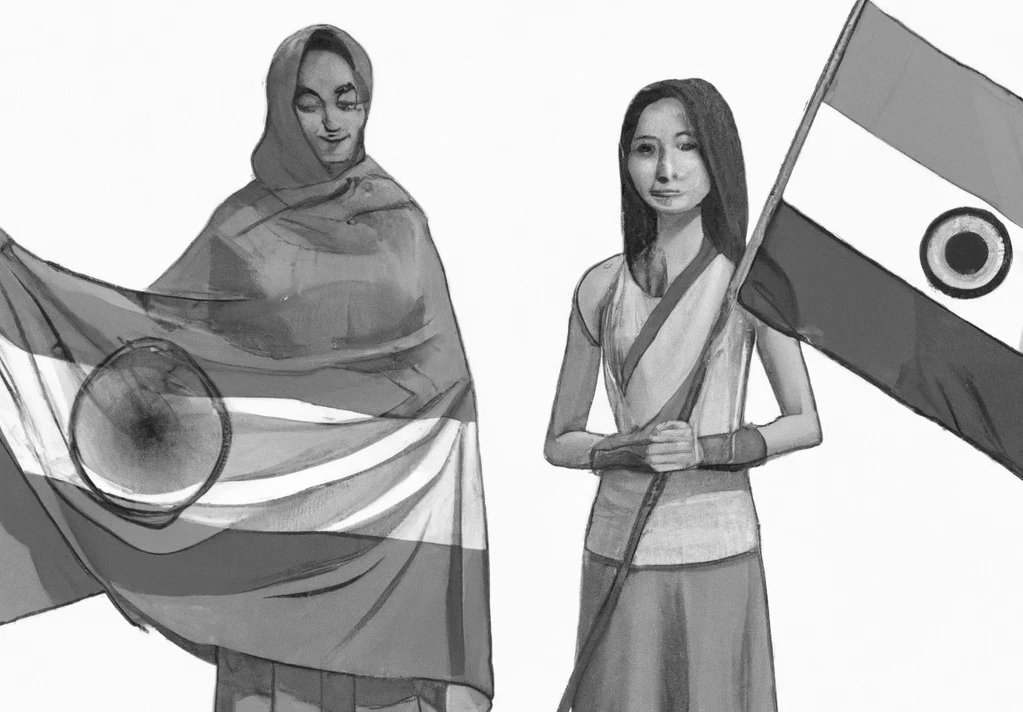
It feels like a “do or die” situation nowadays, with everyone seemingly hurrying to escape India. Despite all this, I am deeply rooted in home, holding on to this land and its people with a tight grasp, refusing to let go.

Being Close to Family

There are many reasons why I never considered leaving. The primary one being, I want to be near my parents. I absolutely understand people who want to move to a place far away to maintain some distance from their parents (or in-laws). It is a subjective choice. But, I have always been someone extremely attached to my family. I cannot bear to be apart from them.

Home is where my family is. It has always been. My parents would have been more than happy if I had left the place. But I know where my happiness lies. It’s with them. In this limited time that I will spend on this planet, I want to spend it with the people I love the most. It’s my only dream.

Familiarity

I am in my 40s, so I am at a stage where I am less flexible to change. This mass migration to other countries is a recent development. When I was in my teens, everyone planned to stay back in India for further studies. A select few, the economically well-off ones, went abroad.

When you get older, you want familiar evils around you. I wanted to navigate the tried and tested, the known, not the unfamiliar territories with their own issues. I wanted the same people around me. I wanted peace and stability. I know for a fact that if I landed in a place that looked like heaven, it still wouldn’t have had the same effect as home.

Homebody

I am a homebody. When not with my close ones, I like to stay indoors, lost in my own world. My home is my happy place, my sanctuary. I introspect, read, write, exercise, dance, sing, and do more to entertain myself in this small space I call mine.

I have always been a borderline loner. It wasn’t something that happened overnight because of some trauma or incident. This personality was engrained in me since day one. Though I have learned the art of faking an extroverted personality for work and social activities, it does not change the fact that, at my core, I am a true-blue introvert whose energy gets drained by prolonged exposure to people.

I know that if I were to move to a foreign country, my personality is not going to magically change. I would still be a homebody. Due to my nature, moving continents just to stay at home does not make sense. For an individual like me, India can be a dream place. The country is so digitalized right now that I can buy, order, or book anything I want without leaving my house – medicines, groceries, food, taxis, medical tests, bills, and more. It is a homebody’s dream!

Ultimately, it depends on one’s personal choice. I know many who want to escape India purely because of their in-laws’ or relatives’ taunts. They find migration the best solution. Such reasons are entirely valid. Live in a place that gives you joy. It does not have to be India. However, my point is, never fall for what’s popular or in trend right now without considering your own needs. Ask yourself, “Is this what you really want and why? Or do you want it only because everyone else does?”

***

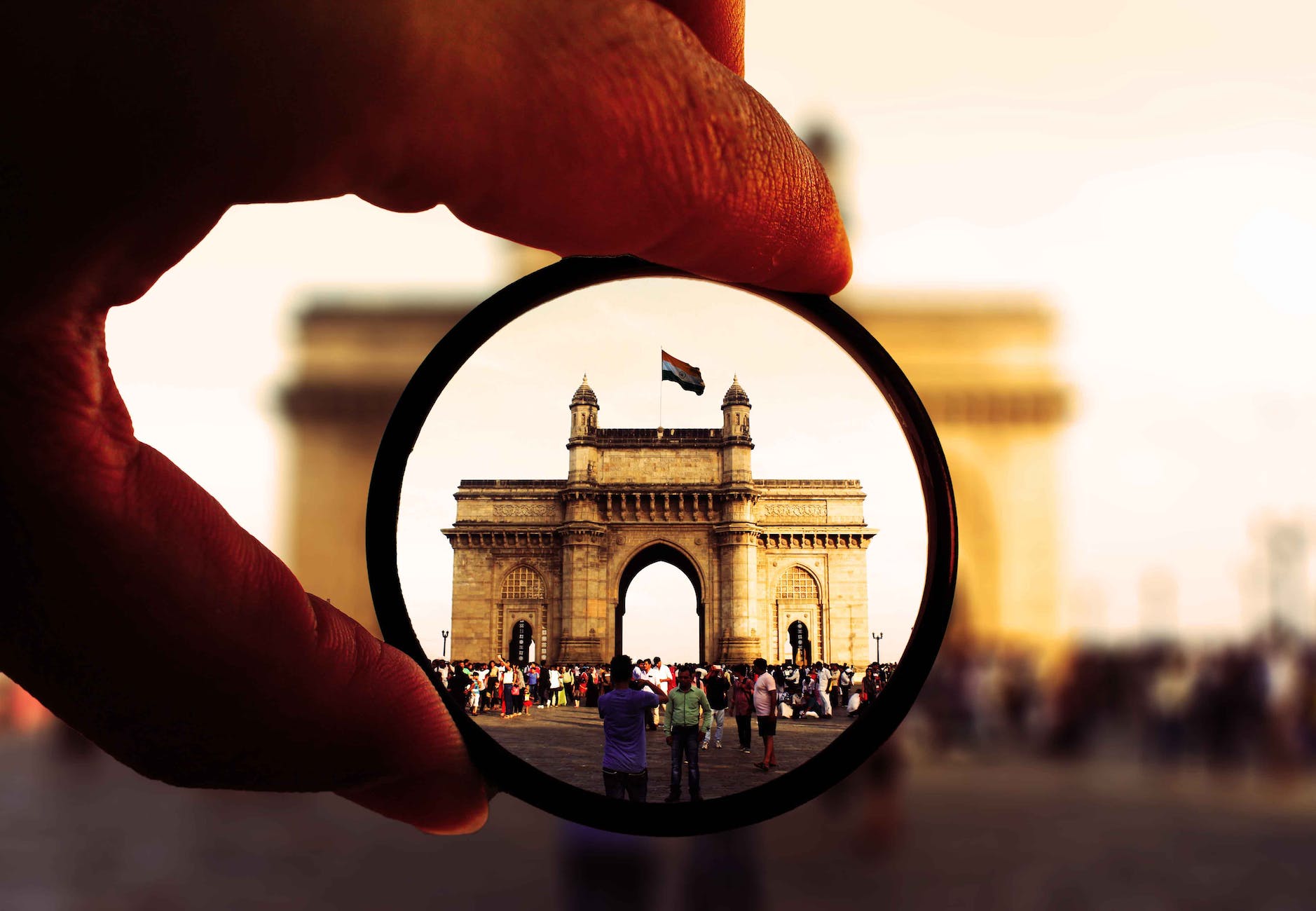
Photo by Darshak Pandya
An Ode to Staying Still in a Fast-Paced World

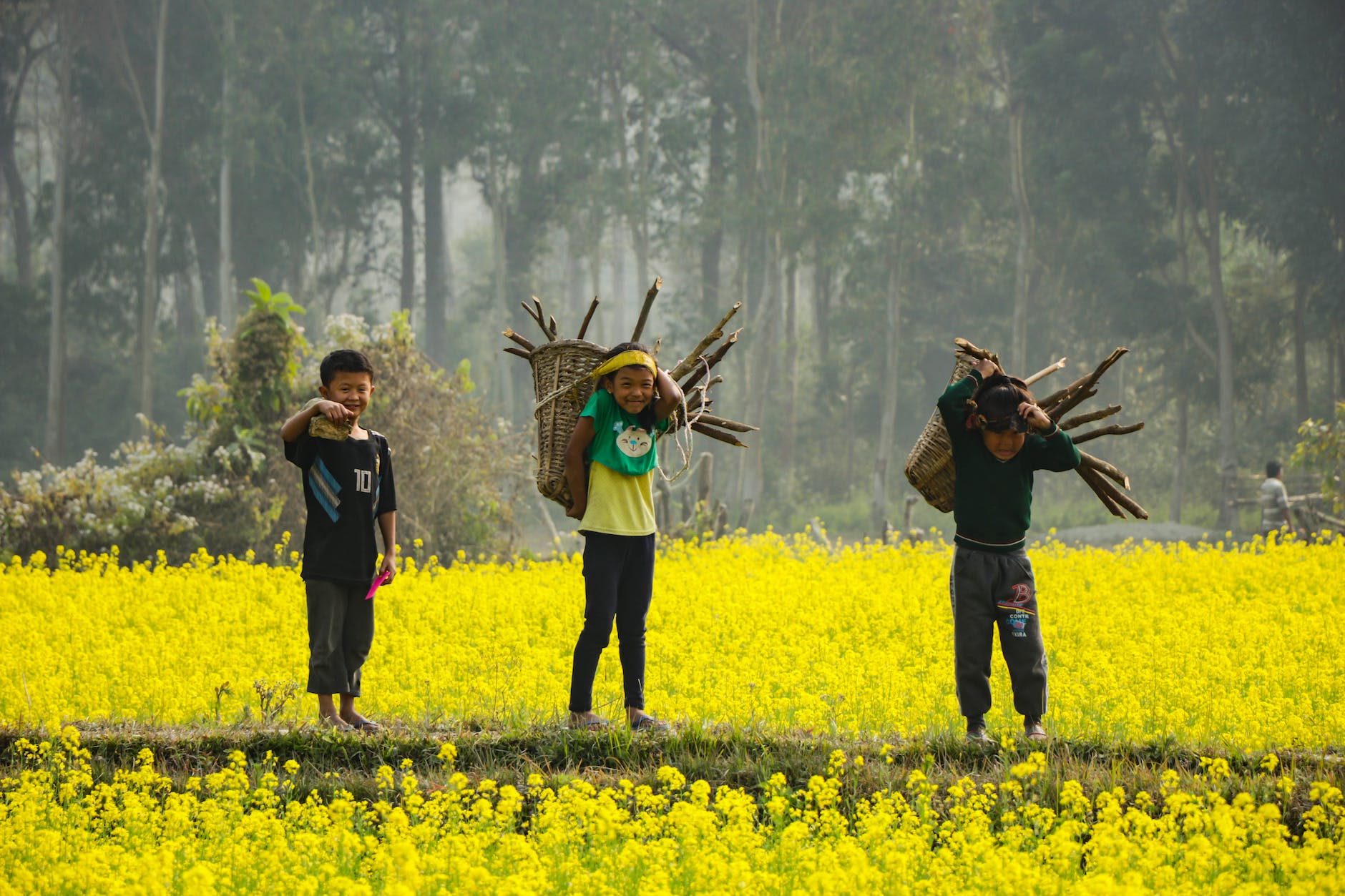
Children enjoying a leisurely stroll in the sprawling fields, basking in the simple joys of nature's embrace

I have been working the same job, staying at the same place, with the same people around me for ages – an anomaly in this fast-paced world where people are constantly on the move. Yet, I feel at ease, holding no grudges, feeling no pain or regret.

Most people around me are competitive, having quantifiable goals. Everyone seems to be in a rush, in a hurry to move continents and prove their value to the world. Occasionally, I feel insecure looking at them. Not because I want what they have but because I am expected to dream the same dreams. It would have made life easier to conform to the unwritten rules set by society. There would be less friction. If you get joy from a lifestyle that, per society, shouldn’t bring you joy, you start questioning your likes and dislikes.

Still, here I am, my dreams centered around the place I am in currently, with its familiar faces and landscapes. I enjoy the serenity of my non-happening town, surrounded by greenery instead of skyscrapers, with more aging people than youngsters who require my help in some form or the other. I am their in-house technician, IT support, problem solver, fraud protector, teacher, confidante, and more.

I enjoy the comfort that my people bring. I want to sing in the same language, embrace the same festivals, eat familiar food, and walk through the same lanes. I want to be in a place where I have the same rights as anyone else because it’s my country as much as anyone else’s. I feel like I belong here. My roots have nestled way too deep to be uprooted now. I like the familiarity, the dreaded “comfort zone,” so to speak. I want to stay still, even if it means giving up on urban luxuries.

There aren’t any motivational or romanticized posts for people like me. Sometimes, a film like Little Forest (Korean Movie) or a K-drama like Hometown Cha-Cha-Cha comes along, and you are swept by a wave of emotions, a kind of happiness that at least some people get your feelings. In the real world, you are expected to be money-minded and earn more than the next person. You should have an endless abyss of wants. It makes someone like me flawed and imperfect in the eyes of the world. We get less respect than the ones who constantly want more. But the thing with reaching your 40s is you subconsciously stop letting others dictate how you feel about living your life. It doesn’t matter anymore. Aging is a beautiful thing for this very reason.

We often take the road built by others hoping it will lead us to happiness. If that were the case, everyone who followed norms perfectly would have been happy. What if happiness is in the place you are? The fact that I am happy is a lesson to myself that I need not trail everything the world celebrates. Sometimes you end up paving your own unique path in the process of living a life that feels the most authentic to you. When you acknowledge that it’s okay to define your own version of joy, what others say ceases to make an impression.

***

Photo by Drift Shutterbug

Important Life Lessons Learned in the Past Month

As mentioned in my last post, I had a whirlwind of a month. It was emotionally stressful, and I was in an overthinking mode. But all’s well that ends well. Thankful to the universe for every little blessing.

With each unchartered experience, you learn something new. Lessons that overshadow the learnings of the past. Here are some things I realized in the past month alone.

Indian managers often act like robots when there is a personal crisis.

The bigwigs did not share any emotion when I gave my reasons for a leave request. No “hope your mother feels better soon” or “hope everything goes well.” What was I expecting? Humanity in the Indian corporate world is a myth. We preach on LinkedIn with the most quotable quotes, but actions prove otherwise.

For the top-level, nothing warrants a response unless it is related to work. In fact, I got dumped with more work and some uncalled-for criticisms on the day of my mother’s hospitalization, even if I had notified my issue well in advance. On that day, I must have thought about quitting at least 10 times. But keeping the robotic virtues aside, the company is quite good. And, of course, you have bills to pay. So you carry on.

After my mom’s heart procedure, a few colleagues asked how my mother was doing. The number of people from top-level management who enquired about her health? Zero. My stress was there for them to see. Yet, none cared.

People often tell you to keep your professional and personal lives apart. I follow and believe this to a large extent. Still, when someone is going through a tough time, I make it a point to provide some motivation, whether a junior or senior. My conscience does not let me rest otherwise.

It was alarming to see the level of indifference from senior managers. Is this what professionalism is all about? Killing your empathy? Another point to add to my An Ode to People Who Are Not CEOs post.

We are giving importance to the wrong things.

For most of our lives, we stress over trivial things – relationships, work disputes, earning more money, materialistic gains, etc. But all it takes is one medical emergency to see the true light – that nothing comes above health.

The last month was a major eye-opener for me. I learned that I should be thankful for each day for all the miracles it offers, no matter how small and no matter how insignificant it may seem to be. It also showed how important it is to keep our physical and mental health happy and stress-free. If I had to choose between peace and more money now, I would undoubtedly choose peace.

Most people will be unavailable.

The people you know will primarily be available only through words, phone calls, and social media messages. But very few will physically show up when you need support, including your siblings. Ultimately, you will have to deal with most of the things yourself. It doesn’t matter if you have a big family or a huge friendship circle; there will be a lot of routes you will have to navigate by yourself. It will be overwhelming and frustrating, but that’s just how life is. You live. You learn.

Regular medical checkups and second opinions are important.

In India, we do not prioritize our health. Many do not have health insurance, especially older people, because it is expensive. We do not get annual health checkups done. This needs to change.

It was during my mother’s regular health checkup that we spotted a variation in her ECG. The doctor did not take it seriously. He declared it as anxiety and aging and told us to let it go. Big mistake. We should have asked for a second opinion.

Always treat minor variations in your tests with great seriousness, especially if you have a family history of heart disease or genetic disorders. Always get a second opinion.

Social media can be deceptive.

In the past month, I did not reveal anywhere online that I was stressed (except for this blog which is unknown to many). I posted memes as usual because it was a form of escapism for me. It might be the same for many others. Things might just be an act. Never take social media too seriously. There might be a lot happening behind the scenes.

Korean drama is like medicine.

When you are having a stressful day, there is nothing like a good Korean drama to melt your worries away. This is important because it made me realize how feel-good entertainment is sorely lacking nowadays. Stuff that people like me can relax to and feel a bit better at the end of the day, even if the emotion is superficial.

Almost all movies and tv shows are dark and serious, with the focus being on realism. Why aren’t there more light-hearted, feel-good, clean, romantic stuff? Looking at you, Indian cinema. Enough of reality. Bring back the escapism.

***

Photo by Pixabay on Pexels.com

Why Blaming Modi Won’t Make India a Better Place for Indian Muslims

Hindu Muslim Unity in India

It’s a trend seen worldwide – to blame the Indian Prime Minister and the country for its alleged mistreatment of Indian Muslims. I say “alleged” because certain journalists present the scenario as such – that all Muslims are being targeted and attacked. This is absurd for someone like me, who stays in the country. I have had NRIs ask me if there are attacks happening 24/7. I had to explain that, no, you won’t see bodies strewn around like in actual war-torn places.

The journalists should stop portraying the situation as such and misleading our diaspora worldwide into believing we are a nation that is constantly rioting.

Yes, some Hindu extremists are attacking Muslims, but then some Muslim extremists are attacking Hindus as well. There is bound to be some form of extremism and violence where there is religion. This is true for all countries. Not everything is Islamophobia. Not everything is Hinduphobia. We should stop flashing our victim cards and start focusing on finding practical solutions to the actual problem India is facing – our disunity.

In India, we have seen religious polarization increasing over the years. Blaming Modi has not made the situation better for Indian Muslims. In fact, the divide has increased. A major culprit is social media. It is now for everyone to see that pointing fingers is not improving the situation. In fact, it ends up agitating the ones who are big supporters of the Prime Minister and may even lead them to become more hostile toward Indian Muslims. These are the people you need to pacify and not agitate further. Similarly, viewing controversial content like the BBC documentary can upset the ones who are not Modi supporters. They will most likely feel more bitterness towards Modi, even if they have never faced discrimination. This, in turn, would make them feel more polarized, distancing themselves further away from fellow citizens who support him. Totally counterproductive. So why are channels like the BBC working so hard to increase this polarization?

Follow Peace, Not Hatred

Modi has been reaching out to Muslim communities to bridge the divide. This is what the country currently needs. All communities should work towards creating a better India. We should hold talks, discussions, and campaigns and use social media to propagate peace, not hatred. We are one, and we should start behaving as one.

Hatemongers on social media are not looking for resolutions, only drama. They use language that is provocative, unfriendly, angry, and violent. Such people are rarely peaceful or solution-oriented. The first thing citizens need to do is unfollow such accounts on social media. Do not share their accusatory content on your feed, either, even if they support your own community. The more hatred you see on your feed and the more you engage with such posts, the more polarized you will feel over time.

Using Nonviolent Communication (NVC)

In my previous post, I talked about Nonviolent Communication (NVC). Wouldn’t the world be better if countries and communities just sat together, lay down their resources, focused on needs, and came to an amicable resolution? But in real life, we resort to violent and judgmental communication like blaming and pointing fingers. No one has become better with violent, critical language. In fact, people become more defensive and non-receptive to what you are saying when you use an accusatory tone.

Focusing on Needs

So, what “needs” should people focus on during conflict resolution? The main thing to understand here is that people who conflict are operating from a place of fear and not anger. People attached to their religion are afraid their community will face discrimination or violence from “others.” When we think about it this way, things make more sense. Fear evokes empathy as opposed to anger. So why not concentrate on talking about that fear and request ways to make each other feel safe? What does the other party want to hear? Listen and give them that assurance. This assurance should be given by authoritative figures. Someone their community will listen to and follow.

How better would the situation be if each warring nation and community acknowledged each other’s fears, empathized, and comforted each other? “You have nothing to fear from us. We treat you as our own.” This phrase can calm the agitated and anxious, provided all communities sincerely work towards it, finding ways to gain each other’s trust.

Avoiding “Us” Vs. “Others” Mentality

It is always “us” vs. “others” instead of “Indians.” This is where the problem lies. To shift our focus outside of the community and to focus on nationality is proving difficult.

If we continue to have this “us” vs. “others” mentality, we will not be able to address our disparities efficiently. For any kind of conflict to be resolved, that feeling of “one” should be inculcated first. Maybe the communities in India should go through counseling sessions like how couples do when they face marital issues. Therapy is the need of the hour. But here, each individual will need to take on the therapist’s role and advise their near and dear ones.

Am I glad the BBC documentary is banned in India? Absolutely. We do not need more agitations or religion-based violence here. We need our people to unite and make India a peaceful place. This cannot be done with hurtful words and allegations from ourselves or the (actual) “others.” We require our communities to actively connect as one. Only then can we work towards building a better India.

4 Tips for NRIs on How to Effectively Prepare for Paperwork in India and Avoid Multiple Trips

NRI waiting at bank

I have seen a lot of NRIs (non-resident Indians) struggling with paperwork once they land in India. They get frustrated and intimidated. It was during that point I realized I (an ex-NRI) have become accustomed to the system. Probably, because I now have a way to go about it.  

This page aims to provide helpful tips for NRIs planning to do paperwork in India. It could be any paperwork or personal work related to banking, property, tax, applying for Aadhaar, PAN, etc. If you haven’t done it before or do it only once in a blue moon when you land in India, the tips provided will help.

Check if the service is available online

India is turning more digital by the day. Many services can be availed online, including opening a bank account.

By checking the availability of the service online, you can save time and avoid the frustration of the long queues at the establishment. Or even worse – finding out the service is unavailable when you arrive at the location.

Here’s how you can go about it. Before visiting a government office or bank branch, check their website or social media for information on their services. A quick Google search will lead you to the concerned site easily. India has a website for every government-related process, including property tax payments. Once you land on the website, check if they offer the service you’re looking for. Some establishments even allow you to schedule an appointment online or check the status of your applications online.

Call and enquire

If the service is unavailable online, the next step is to call the branch and ask for details. If you skip this step and land directly at the unit, be ready for multiple visits.

Preparing and having all the necessary documents and information ready before heading out to the bank or establishment is mandatory in India to avoid wasting time. By making a call beforehand, you can better understand what documents will be required, what the work timings are, and whether or not the service will be available at the time you plan to visit. This can help you avoid multiple trips and save you time and hassle.

While you call the concerned official, it’s important to remember that the employees you speak with on the phone may be busy and unable to provide all the information you need. It’s important to be persistent and ask the right questions to ensure you have all the necessary information.

Some questions to ask:

  1. What are your work timings?
  2. I am planning to arrive at this time tomorrow. Will the service be available then?
  3. What documents should I carry?

Reach out to customer care

Unable to reach the branch by phone or email? The next option is to contact the organization’s official customer care through email or the phone number provided on their website.

Many establishments, like banks, have dedicated customer care teams that can provide information and assistance over the phone or through email. You can get answers to your questions or resolve issues by contacting customer care without having to visit the branch in person. I make it a point to express my displeasure about not being able to reach the local department while I contact customer care.

When you contact customer service, make sure to have your account number or other relevant information handy so that the representative can quickly find your account and assist you. Also, it is good to note the time and date of the call, the name of the representative you spoke with, and any reference number they might have given you. That way, if you need to follow up, you have all information required.

It’s also good to check with the organization’s website or social media page to see if they have any FAQ sections or chatbots that might help answer your questions.

Understand that processing will take time

India’s system is different than other places, so taking note of that will help to deal with the entire process. Sometimes, things might take longer than expected, and it’s better to be prepared mentally for such scenarios.

Conclusion

Following these steps and being prepared can help you navigate the system more efficiently and effectively. Eventually, you will become more familiar with the process, making things much easier for you in the long run. Hope this helps!

An Ode to Women Taking Financial Decisions

Photo by Bich Tran

This is a topic close to my heart. As a single woman in her 30s, I often find myself having to deal with people second-guessing my financial decisions. I am always told to consult a man before taking things further. Don’t get me wrong. I am absolutely okay with consulting experts. The keyword being “experts.” This is a gender-neutral term not limited to men. If they had told me to consult an expert instead of a specific gender, I would have been fine. But that’s not the case. They pinpoint the gender – it should be a “he.”

In my experience, people in India are skeptical about a woman’s money-managing skills. There’s an absolutely valid reason for such cynicism. Over generations, men have been handling money, and women have been doing household chores. This mentality is deeply ingrained in us. It is only now that the roles are shifting, more women are joining the workforce, and men are learning to handle the kitchen by themselves. In the past, this role-shifting was unheard of, which might explain why breaking away from it now takes some conscious effort. It does not come naturally. People tend to look at you with distrust if you take up a role that goes against the gender stereotype.  

“I rather my husband not cook. He might make a mess.”

“I rather my wife not handle finances. She might make a mess.”

These dialogues are not fictional. They very much exist – especially in Indian households. True, some women may not be good at finance, but that applies to men too.

Here’s an actual conversation with my mother:

Me: “I have decided to invest in Sovereign Gold Bonds (SGBs).”

Mom: “Oh! Why don’t you consult XYZ uncle about this?”

Me: “But what would he know? He’s a mid-50s person who distrusts new investment schemes.”

“Okay. But are you sure?”

“Yes! I have done my research, and I understand this product well.”

That was the end of the discussion. My mother looked at me with doubt etched all over her face. I had to convince her that I was making an informed decision.

To date, I have not made a poor investment choice. I read both the pros and cons of all investment schemes before selecting. I stay away from products I do not understand. I avoid systems that are too risky. I only invest in government-regulated schemes, not impulsively, but after going through much examination. However, all this research is still insufficient for society to stop doubting my capability to handle finances. Because I am a woman. Instead, a man who has done half the study is trusted more because of his gender.

Women are encouraged to be financially savvy and aware. But my question is – when we do become financially literate, are there people who would trust us to efficiently handle our money?