Haq: When a Film About Muslim Women Speaks to All Women

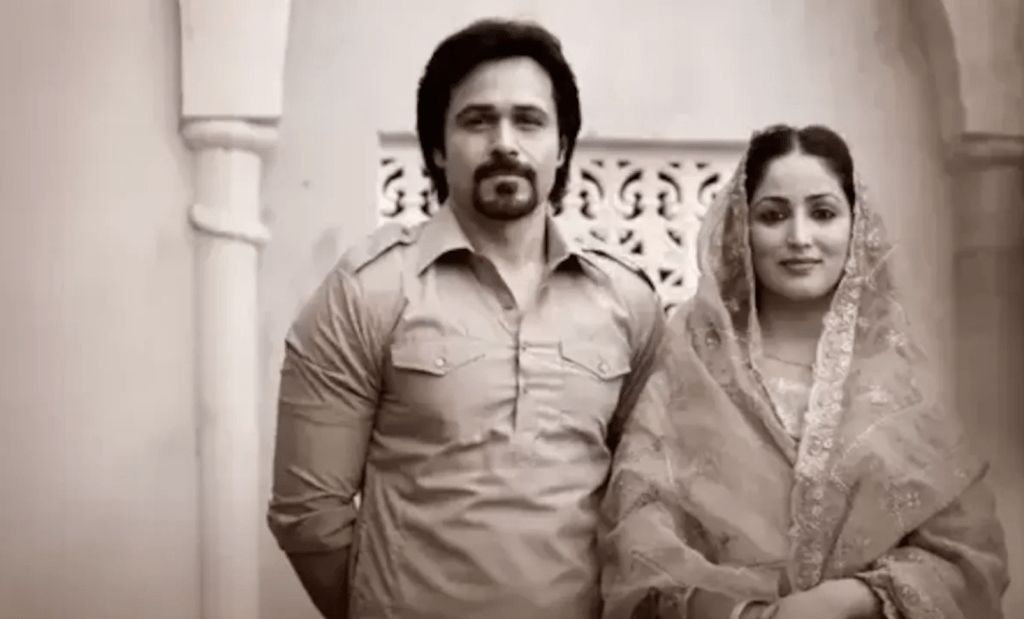
Haq Movie Poster

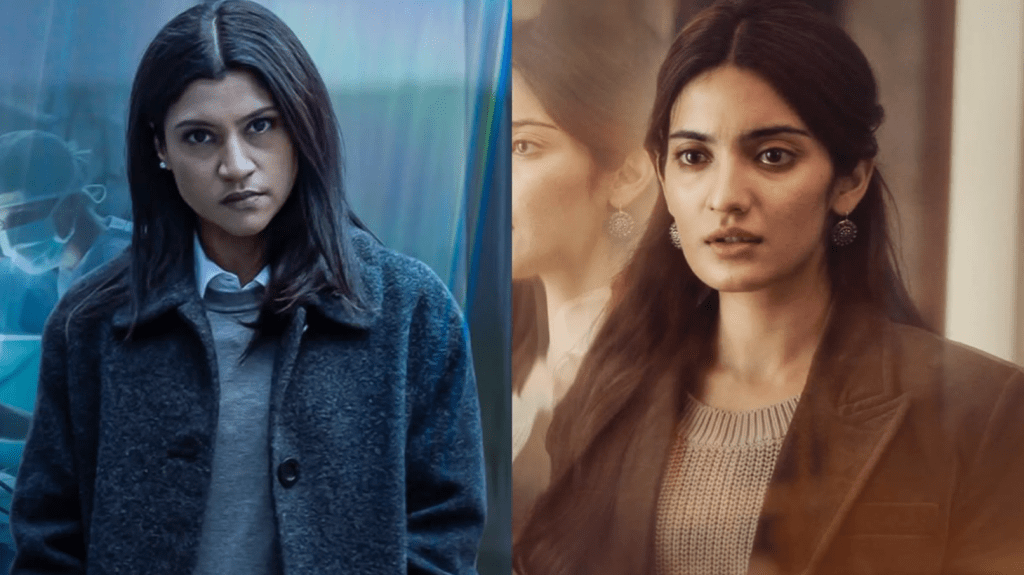
For the most part, Haq is not a story only about Muslim women. It is a story about women in general. Almost all of us know someone, married or unmarried, who has been cheated in love. We have seen that heartbreak up close, and we understand the emotional toll it takes.

When Shazia feels betrayed, we feel it too. When she wants the best for her children, that emotion feels familiar. When she fights for her rights, it resonates deeply. And when her father stands by her without hesitation, it reminds us of our own fathers and the quiet strength that support brings. These are emotions that are universal to women, cutting across religion, culture, and background.

The narrative becomes specifically about Muslim women only when the legal issues come into focus. That is where the real differences emerge, and the film clearly highlights how laws and systems can shape a woman’s fight for justice. It is to be noted that soon after the Triple Talaq ban was implemented in India, many Muslim women began approaching the courts to seek justice. While there was no open praise for the current government for such a ban, there was a quiet acceptance of the relief and protection the law offered them in real life. Many Muslim men, however, continue to view the ban as an insult to their faith rather than as a legal safeguard for women.

Getting back to the movie, Yami’s final monologue is powerful and leaves a strong impact. Emraan feels completely natural throughout and never once seems like he is performing. Sheeba Chaddha is equally convincing and brings depth to her role.

I especially want to credit Emraan for choosing to act in a film that openly talks about Muslim women’s rights. It takes conviction to support a story like this, especially as a Muslim, without dismissing it as Islamophobic. The film is clearly not that. Instead, it focuses on real issues and lived experiences, and his decision to back the narrative adds credibility and strength to the message being told.

Overall, I liked the film. The background music could have been better, and Yami is not fully convincing in a few scenes. Still, she more than makes up for it in the final act, which stays with you long after the film ends.

Haq is now streaming on Netflix.

An Ode to Feminichi Fathima

Feminichi Fathima Movie Poster

Feminichi Fathima is a Malayalam movie I had been waiting to watch for a long time. The film received strong appreciation at several film festivals. Many critics also spoke highly of it in their reviews. Now that it has finally released on OTT, the wait feels worth it. After watching the film, I can say it truly lives up to the praise it received.

The movie is a bold and thoughtful effort by director Fasil Muhammed to explore feminism from the perspective of a Muslim woman. This is a refreshing shift in Indian cinema, where feminist narratives are often shown through a cultural Hindu lens. Films like The Great Indian Kitchen (Mrs. in Hindi) and Thappad shaped much of that earlier conversation. Against that backdrop, this film feels timely and necessary. It adds a new voice to discussions on gender, faith, and everyday patriarchy.

What’s It About?

Fathima is married into a conservative and deeply religious family in the Malappuram district in Kerala. Her husband is a usthad (a religious leader) who expects his household to follow every rule without question. Life in the home is seen only through a strict, conservative lens.

Trouble begins when their young son wets the mattress. Fathima cleans it and leaves it outside to dry, but a dog later urinates on it. Since dogs are viewed as ritually impure, her husband reacts with anger and disgust. What follows is Fathima’s quiet struggle to fix the situation, facing resistance at every step.

The film makes a strong point that a woman in religious clothing can also be a feminichi (a slur often used by Malayalee misogynists to dismiss feminists).

Thoughts

Shamla Hamza and Kumar Sunil deliver standout performances. Shamla Hamza, in particular, is remarkable throughout the movie. It is hard to believe this is only her second project, after 1001 Nunakal, released in 2022. She performs with the ease and control of a seasoned actor. Her expressions carry much of the film’s emotional weight. Shamla winning the Kerala State Film Award for Best Actress feels well deserved. The storyline is fresh and quietly rebellious, which makes her performance even more powerful.

In many ways, the film feels braver than other feminist movies. Dissent is rarely encouraged in conservative Muslim families, which makes this narrative more powerful. The story shows how questioning norms itself becomes an act of courage. That is what sets this Malayalam feminist film apart. It opens space for conversations that are often silenced. Ideally, it will inspire more Feminichi Fathimas to speak up and stand for their rights.

Even though the subject is heavy, the movie never becomes overwhelming. It avoids melodrama and keeps emotions grounded. Light comedy is woven into the narrative. This balance makes the film feel surprisingly breezy. The pacing is tight and engaging throughout. You can easily watch the full 1.5 hours in one sitting without needing a break.

I would call this movie a must-watch for anyone interested in meaningful Malayalam cinema. Feminichi Fathima is now streaming on Manorama Max. You can also watch it via Amazon Prime with a Manorama Max subscription. English subtitles are available.

Movie Review: Param Sundari

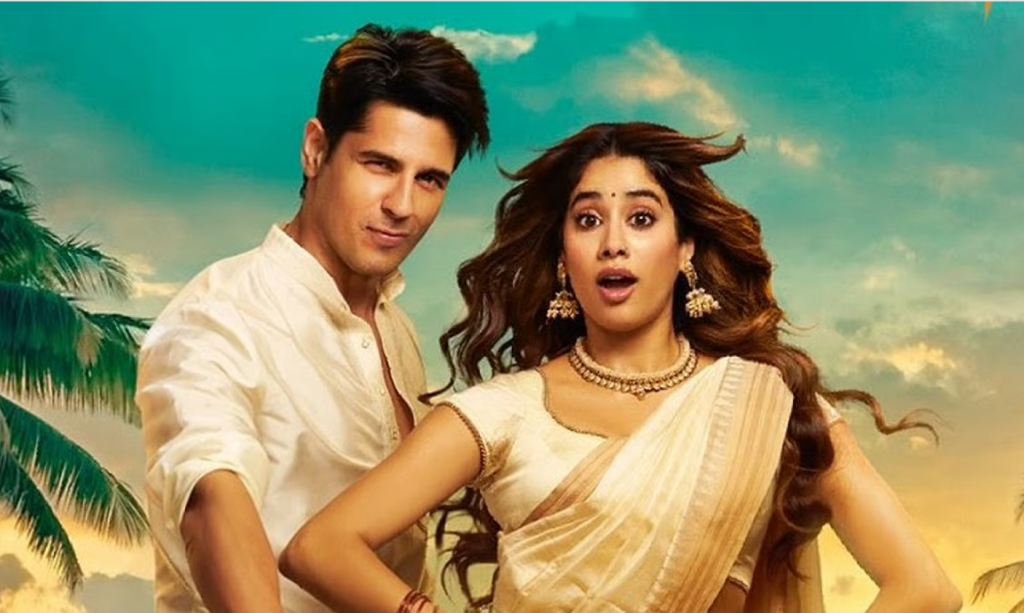
Param Sundari Movie Poster

When my mother heard Janhvi Kapoor speak Malayalam in Param Sundari, she said, “That’s how Tamilians in Kerala speak.” So I’m guessing Janhvi’s character in Param Sundari is meant to be Tamilian. She does say a line in Tamil at the beginning, which might be the clue.

Still, it’s odd that her ammavan (Renji Panicker) speaks flawless Malayalam, while his son Venu, who grew up in Kerala, speaks Malayalam with a Tamilian accent. Not exactly consistent. Maybe he picked it up from his best friend, Janhvi’s character?

You will have to make similar conclusions and cook up your own stories to stay at peace with several things in the movie.

What’s It About?

Param, a wealthy start-up enthusiast, heads to Kerala to prove to his father that his newly funded dating app is worth the investment. At a resort there, he meets Sundari, and a love story quietly begins to unfold.

Thoughts

If you ignore the stereotypes, the sardar friend’s racist jokes, and the painfully bad Malayalam, it’s actually not such a bad movie. The first word that catches you off guard is when they pronounce Alappuzha as “Aalapozi.” I’m not sure if it was intentional. But yeah, leave behind your brain while watching this one.

The real star, of course, is Kerala. My state has been beautifully captured from start to finish. So, kudos to the filmmakers for that.

Janhvi looks lovely and delivers a stronger performance than Sidharth Malhotra. He also looks way older than her in the movie.

Param Sundari is streaming on Amazon Prime Video.

Short Film Spotlight: Anuja

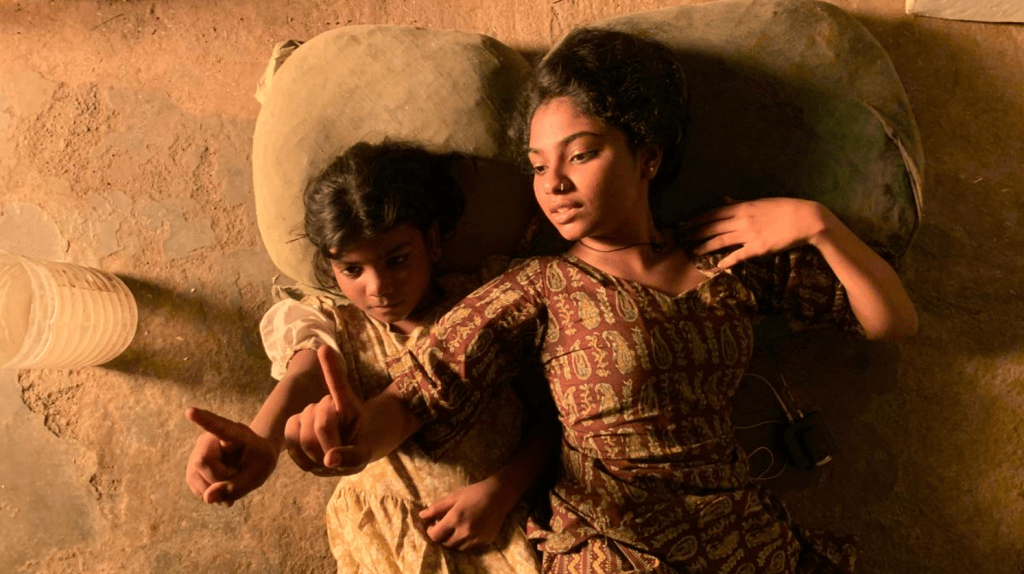
Anuja Short Film Poster

I was craving to watch a slice-of-life drama. Something simple, not too heavy or filled with dread. I honestly thought Anuja would be intense, given how the synopsis sounded. Plus, it’s a Hindi short film that was an Academy Award nominee.

Now, why would I mention the Academy Award nomination like it’s a bad thing? I have my reasons.

To be honest, Oscar nominees have rarely worked for me. In Malayalam, we call such films “award padam.” The kind that feels too abstract or complex for ordinary viewers (like yours truly). There was a time in my life, long ago, when I pretended to enjoy such films just to seem intellectual in front of my then-partner. But I couldn’t keep up the act, and that image fell apart the moment that relationship ended. Now, it seems I’m making up for that lost time. All I want to watch are feel-good films.

So when I saw that Anuja was an Oscar nominee, it didn’t excite me enough to hit play right away. It actually made me hesitate. After all, the Oscars have a reputation for picking Indian films that focus on pain and poverty, what many call “poverty porn,” which does not fully represent what India is today.

Still, I decided to give it a chance.

What’s It About?

A 9-year-old girl works with her sister in a garment factory in India. Despite being naturally bright and curious, she doesn’t attend school because of financial struggles. And, truthfully, she doesn’t want to either. Her elder sister, however, recognizes her potential and dreams of giving her the education she deserves.

Thoughts

The film was a pleasant surprise. I loved it. It was just 22 minutes, but packed with emotions.

It tells the story of child labourers. They are presented not as helpless victims, but as resilient children who find joy even in hardship. The truth is, we often see others through our own lens and may view them as “helpless.” But for them, this is simply life. They know no other kind of life, and they’re doing their best with what they have. That’s what the movie captures so beautifully — life as they see it, not as we do.

It’s a social hierarchy. Someone wealthier might be looking at me with pity, thinking I’m suffering. Yet I’m making the most of what I have, because that’s the life I know. We suffer mostly when we lose something we once had, when we can compare the before and after, and we truly miss the before.

I’ve often felt that those not well-off often make the best of what little they have, which is why they find happiness in the smallest things, like a bag of jalebi, for instance. Anuja captures that spirit beautifully: “The present may not be bright, but we can strive for a better tomorrow.

The film avoids moral preaching or lecturing. It’s simply about two sisters supporting each other in a harsh world.

The most moving part of the film is that Sajda Pathan, who plays Anuja, was once a child labourer in Delhi before being rescued by the Salaam Baalak Trust (SBT). She now lives at the NGO’s Day Care Center, founded in 1988 by filmmaker Mira Nair, who, interestingly, is also the mother of New York’s new Mayor, Zohran Mamdani.

Ananya Shanbhag also delivers an excellent performance as the elder sister, Palak.

I would definitely recommend the short film. Anuja is streaming on Netflix.

Horror Movie Spotlight: Diés Iraé

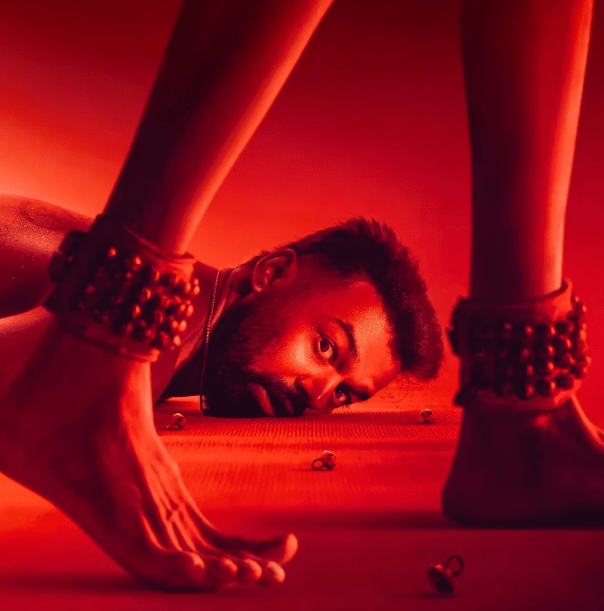
Dies Irae Movie Poster

Like many, I found the movie’s name, Diés Iraé, tricky to pronounce. I’m quite sure I’m still saying it wrong. But the offbeat name adds to its charm. For those who don’t know, Diés Iraé is Latin for “Day of Wrath.” It’s a term from Christian theology referring to the day when souls are judged.

The first time I heard about Diés Iraé was when I went to watch Lokah. The trailer of the movie immediately captured my attention. The execution looked stylish, and Pranav Mohanlal looked good. I knew then that I had to watch this movie in a theatre.

What’s It About?

A young, wealthy man who lives life to the fullest begins experiencing strange supernatural events in his home after visiting the house of an ex-fling who was found dead in a well. The restless spirit haunting him seems furious for unknown reasons and determined to destroy his life.

Thoughts

Since Diés Iraé is a horror film, only adults were allowed inside the theatre. An ID card was required. The theatre I went to was almost empty, which I actually didn’t mind. It meant no one was around to make unwanted comments or jokes. This has become a real problem in many Kerala theatres. I faced this issue when I went to watch Bramayugam. I hope the film industry or theatre authorities take strict action against such behavior. If they want to attract more viewers, they must ensure a respectful environment. Otherwise, serious movie lovers will simply wait for the OTT release and enjoy the film peacefully at home.

Getting back to Diés Iraé, I wouldn’t call it mind-blowing. The special effects were impressive, though. Nothing looked fake or unintentionally funny. Pranav Mohanlal delivered a decent performance, and he looked great on screen, which helped balance out a few of his less convincing moments.

There are a few jump scares, so be prepared for that.

Overall, the story felt average. If you’ve seen a lot of horror films, this one might not surprise or scare you much. Still, the execution was solid, and the fact that a film of this scale and quality came from Kerala is definitely something to be proud of.

The creepiest part was seeing the line “inspired by true events.” I didn’t dare look up what those events were. Some things are better left unresearched if you want to sleep peacefully at night.

I would say Diés Iraé is a good one-time watch. At under two hours, it’s a quick and engaging film that keeps you entertained throughout.

Netflix Movie Spotlight: Greater Kalesh

Greater Kalesh Poster

It’s Diwali season. This time of year always puts me in the mood for something cozy and family-friendly to watch. But honestly, we just don’t get those kinds of movies anymore. The ones you can enjoy with everyone at home.

Remember the golden ’90s? We’d all sit together and watch Jo Jeeta Wohi Sikandar, Hum Hain Rahi Pyar Ke, or Dilwale Dulhania Le Jayenge without a single dull moment. Okay, not exactly in my family, as I was the only one truly into Bollywood, while the rest were more drawn to Malayalam movies. But I imagine these were the kind of movies that one would typically watch with their families. Nowadays, to relax, I tune into psychological thrillers because family movies do not feel family-oriented anymore.

That’s why I was keen to watch Greater Kalesh when it dropped on Netflix. It’s perfect for people like me who just want to unwind with something light and heartwarming. At under an hour, it’s an easy, breezy watch before jumping right back into Diwali celebrations.

What’s It About?

A young career woman returns home after a long time to celebrate Diwali with her family. She’s excited for a warm, cheerful reunion, but the moment she steps inside, she’s greeted not by laughter, but by chaos. Her family members are in the middle of a heated argument, and she can’t quite figure out what started it.

Thoughts

Greater Kalesh is short, simple, and surprisingly sweet. It doesn’t have high-stakes drama or a strong, twisting storyline. But that’s exactly what makes it refreshing for me. Sometimes you just want something light, easy, and comforting, and this little film delivers that perfectly. It might not be everyone’s cup of tea, especially if you seek something more cerebral or non-woke, but to me it felt like peeking into the everyday life of a next-door family and watching them sort things out in their own warm, relatable way.

Ahsaas Channa and Supriya Shukla truly shine here. Their mother-daughter bond feels real and layered. The kind that might make you think of your own mom with a smile.

It’s definitely worth a quick watch. Greater Kalesh is now streaming on Netflix.