An Ode to Staying Still in a Fast-Paced World

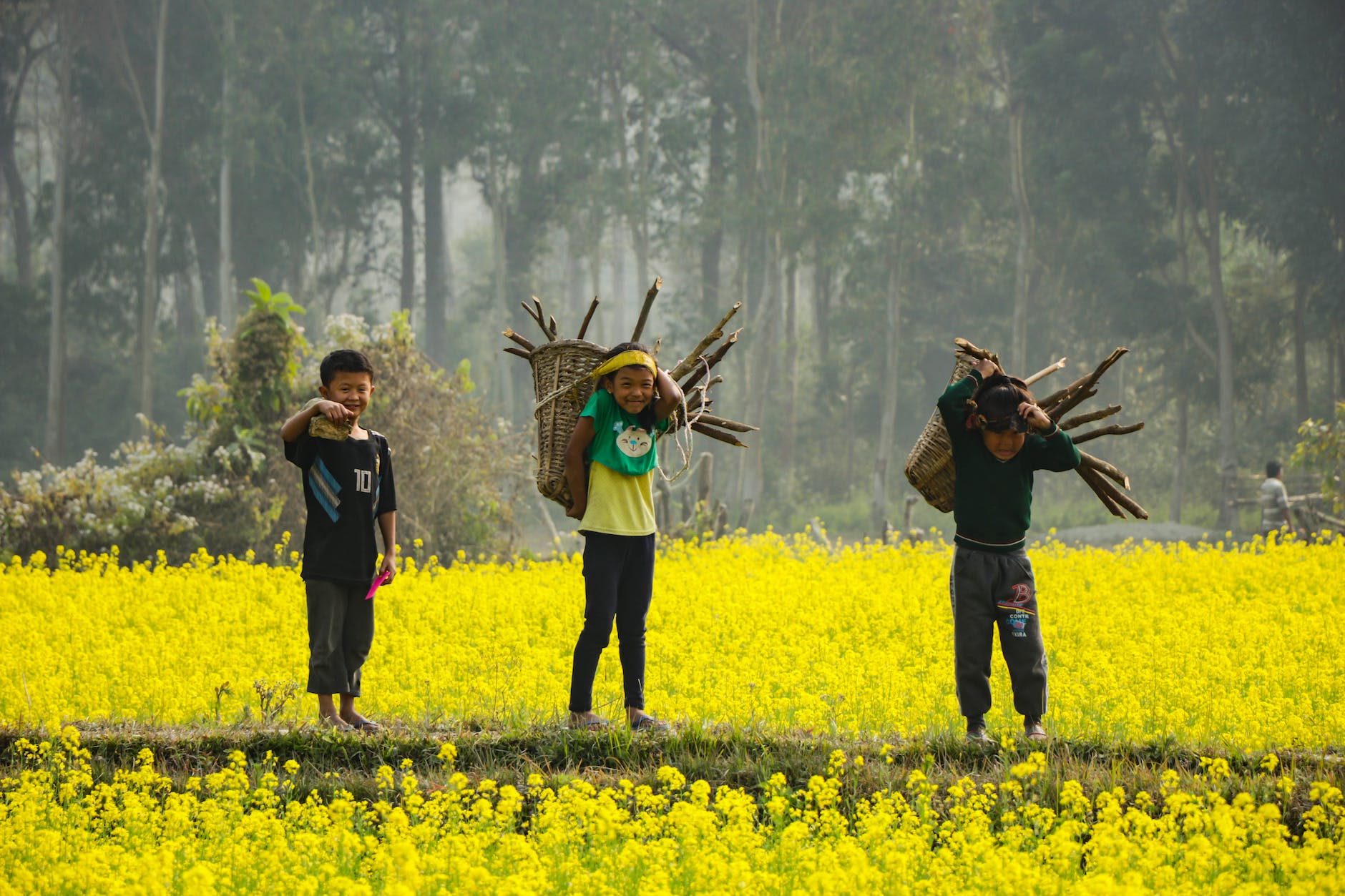
Children enjoying a leisurely stroll in the sprawling fields, basking in the simple joys of nature's embrace

I have been working the same job, staying at the same place, with the same people around me for ages – an anomaly in this fast-paced world where people are constantly on the move. Yet, I feel at ease, holding no grudges, feeling no pain or regret.

Most people around me are competitive, having quantifiable goals. Everyone seems to be in a rush, in a hurry to move continents and prove their value to the world. Occasionally, I feel insecure looking at them. Not because I want what they have but because I am expected to dream the same dreams. It would have made life easier to conform to the unwritten rules set by society. There would be less friction. If you get joy from a lifestyle that, per society, shouldn’t bring you joy, you start questioning your likes and dislikes.

Still, here I am, my dreams centered around the place I am in currently, with its familiar faces and landscapes. I enjoy the serenity of my non-happening town, surrounded by greenery instead of skyscrapers, with more aging people than youngsters who require my help in some form or the other. I am their in-house technician, IT support, problem solver, fraud protector, teacher, confidante, and more.

I enjoy the comfort that my people bring. I want to sing in the same language, embrace the same festivals, eat familiar food, and walk through the same lanes. I want to be in a place where I have the same rights as anyone else because it’s my country as much as anyone else’s. I feel like I belong here. My roots have nestled way too deep to be uprooted now. I like the familiarity, the dreaded “comfort zone,” so to speak. I want to stay still, even if it means giving up on urban luxuries.

There aren’t any motivational or romanticized posts for people like me. Sometimes, a film like Little Forest (Korean Movie) or a K-drama like Hometown Cha-Cha-Cha comes along, and you are swept by a wave of emotions, a kind of happiness that at least some people get your feelings. In the real world, you are expected to be money-minded and earn more than the next person. You should have an endless abyss of wants. It makes someone like me flawed and imperfect in the eyes of the world. We get less respect than the ones who constantly want more. But the thing with reaching your 40s is you subconsciously stop letting others dictate how you feel about living your life. It doesn’t matter anymore. Aging is a beautiful thing for this very reason.

We often take the road built by others hoping it will lead us to happiness. If that were the case, everyone who followed norms perfectly would have been happy. What if happiness is in the place you are? The fact that I am happy is a lesson to myself that I need not trail everything the world celebrates. Sometimes you end up paving your own unique path in the process of living a life that feels the most authentic to you. When you acknowledge that it’s okay to define your own version of joy, what others say ceases to make an impression.

***

Photo by Drift Shutterbug
An Ode to Canceling the Cancel Culture

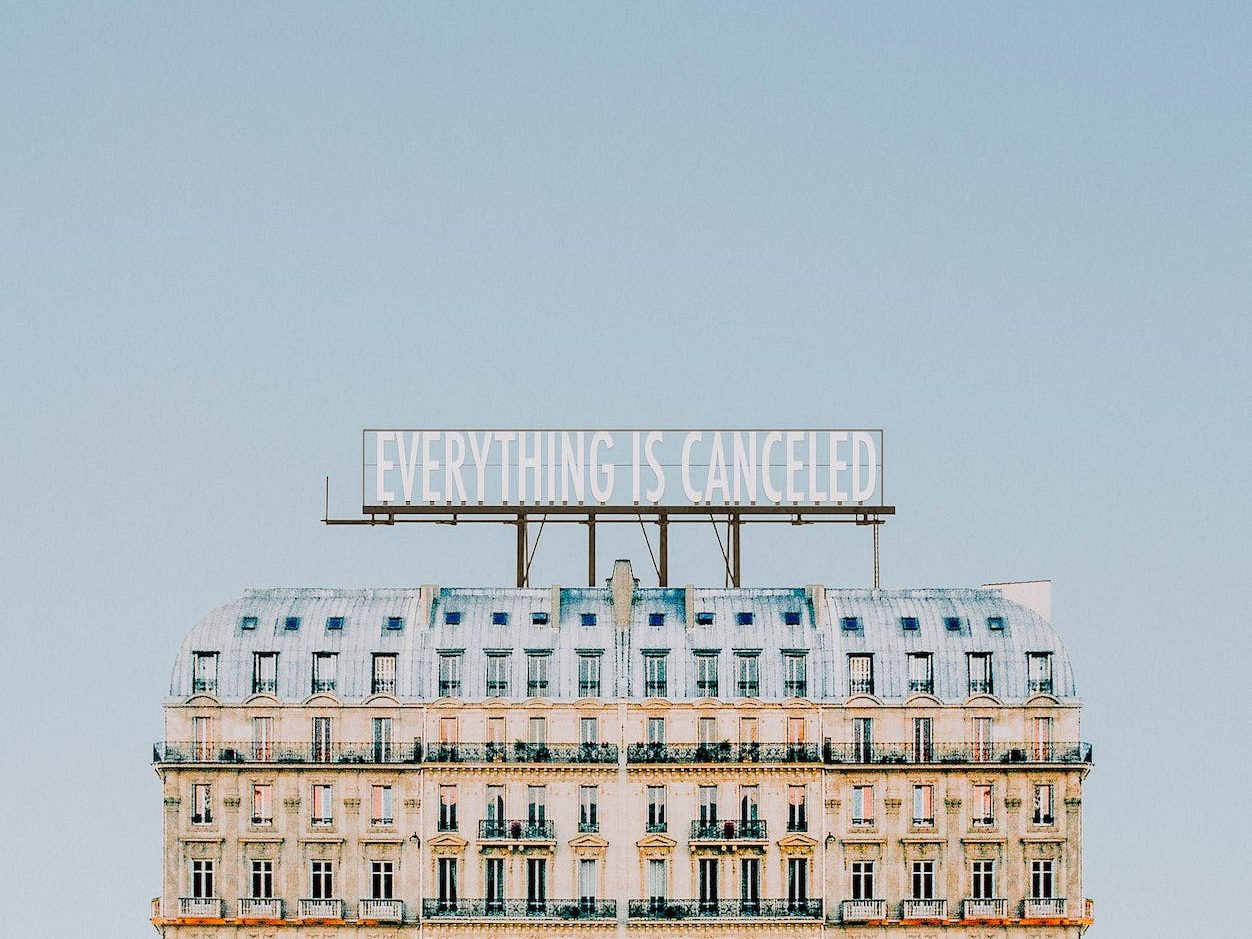
Everything is canceled image

Some terminologies have been rightfully canceled. Words that do more harm than good. To use phrases like “I have OCD” when the person has not been medically diagnosed, or to call anyone “retarded” as a form of insult, is being inconsiderate toward people who are experiencing distress or discomfort from such conditions.

This post is not about the usage of problematic terms. It is about everything getting canceled nowadays based on subjective viewpoints. Social media encourages you to cancel someone if you disagree with them. The internet is so vast that you will always find someone who can cancel the same things along with you.

For example, nowadays, I see people calling someone “woke” if they don’t agree with the person. I have seen two sets of people use “woke” in two different contexts. One set calls feminists, activists, and anyone who smashes conventional norms as woke. The other set (which includes feminists) uses it for argumentative and politically correct people. The article “What Woke Means to Liberals and Conservatives” explains how the left and right decode the term.

Now imagine these two sets of people in the same room. They most probably would cancel each other out.

The cancel culture is mainly restricted to the online world. In the real world, people often exhibit greater acceptance and forgiveness. Rather than canceling, they are open to engaging in conversations and are willing to let go if someone holds a different perspective. They understand it is impossible to convince everyone to feel the way they do.

If you think about it, there are many concerns regarding endorsing this cancel culture: How much canceling is too much canceling? Where is the middle ground? Are we at risk of gradually negating each other’s voices to the point where our words become flavorless and self-righteous? Are we on the verge of losing the art of engaging and captivating conversations? Will the fear of offense diminish the essence of comedy, which often relies on pushing boundaries and challenging norms?

When we cancel people and force them to act our way, we unknowingly create a robotic world filled with yes-men. When this happens, we enter an emotional comfort zone devoid of growth. By avoiding conversations and explanations with individuals whose thoughts differ significantly from ours, we miss out on opportunities to engage in meaningful dialogue and expand each other’s perspectives. It is through such discussions that we can foster understanding, empathy, and potentially find common ground, even amidst differing opinions.

Change does not happen overnight, especially regarding principles and beliefs that have been drilled into us since childhood. It is only through increased exposure, experiences, and open-minded discussions that people can gradually become more receptive. Our willingness to engage with them, along with the assistance of others who share similar viewpoints, can play a role in encouraging them to take that important first step toward embracing different perspectives, if not now then later.

The beauty of life lies in the fact that there are many different personalities around us. If everyone acted the same way, how would we learn the art of acknowledging differences? If we don’t acknowledge differences, how do we stay sane? How do we practise empathy and kindness? The cancel culture makes people more intolerant, angry, polarized, and destructive. In my article, To Speak or Not To Speak, I voiced my concerns about the same.

It’s always better to leave room for disagreements, understand why someone feels a certain way (fear being almost always the root cause), and try to give your take on things using non-violent communication without any expectations. The result of such a discussion might not always be fruitful, but if the conversation is done right, you can expect your tolerance levels to improve and your mind to be more empathetic to people with a social conditioning that is different from yours. If each person felt this way, we could probably bring about the desired change more effectively without emotions playing a spoilsport.

***

Photo by Jeffrey Czum

An Ode to the Things That Make Me Smile

Happy Bubble Bath Smiles

Recently, I came across an article that said Japan has forgotten how to smile. The culprit being COVID-19 masking. When you wear a mask, you can forego formalities and skip smiling. Apparently, the Japanese continued this habit even after masking rules were relaxed.

As Japan gradually lifts its mask mandate, the nation grapples with the aftermath of prolonged mask usage. In response, “smile practice seminars” have surfaced nationwide to address the reported loss of smiles among the population.

indiatimes.com

While reading this article, something struck me out of the blue. I opened my phone gallery and scrolled through the pictures. I realized my recent photos did not show me smiling. I kept staring at them, livid that I had overlooked this obvious change. I had a poker-faced expression in almost all images, which wasn’t the case pre-covid.

I now have to consciously make it a point to smile for photos. It takes effort.

However, some things seem to instantly light my soul up, irrespective of whether it shows up on my face:

  • When someone remembers something I said ages ago
  • Warm smiles from strangers while shopping
  • Words with the power to tug heartstrings
  • Watching an uplifting movie on Friday night after a long, tiring week
  • Enjoying a good book in my bed on a Sunday afternoon
  • Immersing in music at night, lights off, with no distractions
  • Wandering outdoors aimlessly with an ice cream in hand
  • Comfortable silences
  • Peace
  • Warm bubble baths
  • Being around animals
  • Conversations that flow
  • Showing and receiving gratitude
  • Warm hugs and forehead kisses
  • Empathy and kindness

I am sure there are more.

It’s when you note down the small joys in life do you realize most of life’s prized gifts are things that cannot be bought with money. Things that rejuvenate and keep you sane. When I am down, I know I can rely on these items on my feel-good list to bring my mood back up.

Life happens, with all its challenges and unpredictability. Still, we should never let go or overlook things that light our souls up. Those bytes of sunshine might just be our medicine, the sure-shot solution that can help us regain a smile lost in the rubble of uncertainty that life often throws our way.

***

Photo by cottonbro studio