For the uninitiated, in February 2025, during the annual Uroos festival at a mosque in Thrithala, Palakkad district, Kerala, a procession featured banners displaying images of Hamas and Hezbollah leaders.
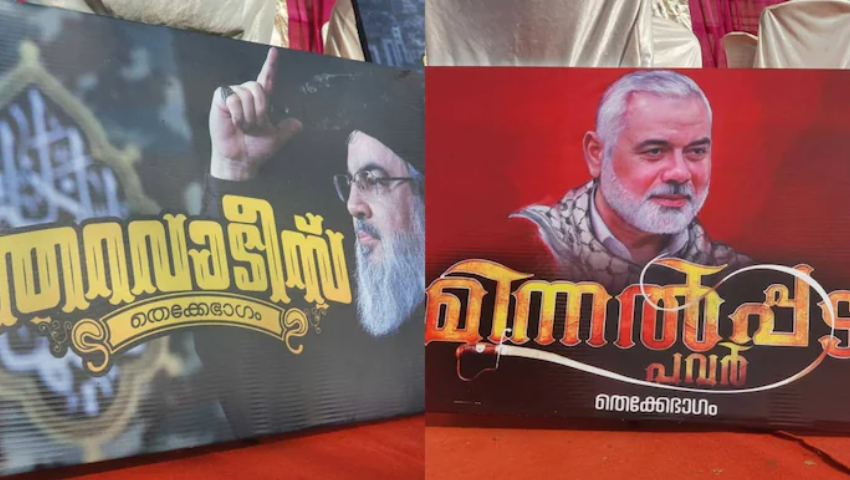
These banners were prominently displayed atop elephants. The event drew over 3,000 participants and sparked widespread controversy and discussions on social media. Critics questioned the organizers’ decision to include images of individuals associated with designated terrorist organizations. The participation of local political figures, including Congress leader VT Balram and Minister MB Rajesh, further intensified the debate. They maintained the status quo of excusing terror sympathizers by criticizing media outlets for allegedly using the incident to target the Muslim community and Kerala at a national level.
During a News18 Kerala debate, a Malayalee Muslim from Palakkad admitted that what happened at the Uroos was wrong. However, he dismissed concerns by saying, “The event was organized by kids who randomly picked images from the Internet. They had no idea who these people were, so we shouldn’t make a big deal out of it.”
This raises an important question: Why is it that when left to “randomly” select images, they chose figures linked to terror groups instead of respected Muslim leaders, scientists, or sports personalities? A former Indian Army officer who was stationed in Kashmir responded thoughtfully: “If they were simply Googling, why not Abdul Kalam, cricketers like Siraj or Shami, or Muslim soldiers who died protecting our nation? Why did they choose a group in cahoots with Pakistani militant groups like LeT and JeM? Instead of dismissing this, we should educate young people about who should be admired and who should not. Only then can our nation progress. We also cannot keep excusing such incidents as the actions of innocent children. Recently in Europe, a teenager attempted a suicide bombing, and in another case, four children from the same family were radicalized into extremism.”
The Malayalee panelist logged out before responding, but a Muslim League leader acknowledged the need for change. However, like many others accused of spreading hate, he quickly shifted the discussion, saying, “Yes, all of this is bad, BUT Israel is committing genocide.”
This pattern of deflection is becoming more common. When doctors in Australia were suspended for their hate speech, the response from left-leaning supporters and a major Australian Muslim group was, “They should not have been suspended because Israel is committing genocide.” When California faced wildfires, some even claimed, “Well deserved because the U.S. supplies arms to Israel.”
The Israel-Hamas war is being used to justify hate and extremism worldwide. While criticism of geopolitical events is valid, it cannot be a shield for promoting radicalism or excusing problematic behavior.
If we applied the same logic, we could say, “Islamophobia is wrong, BUT Islamist groups like ISIS have mass-murdered people.” That would be an absurd and dangerous argument, just as deflecting discussions on extremism with geopolitical grievances is.
Condemning violence and radicalization should not come with conditions. No ifs or buts—wrong is wrong, no matter who commits it.
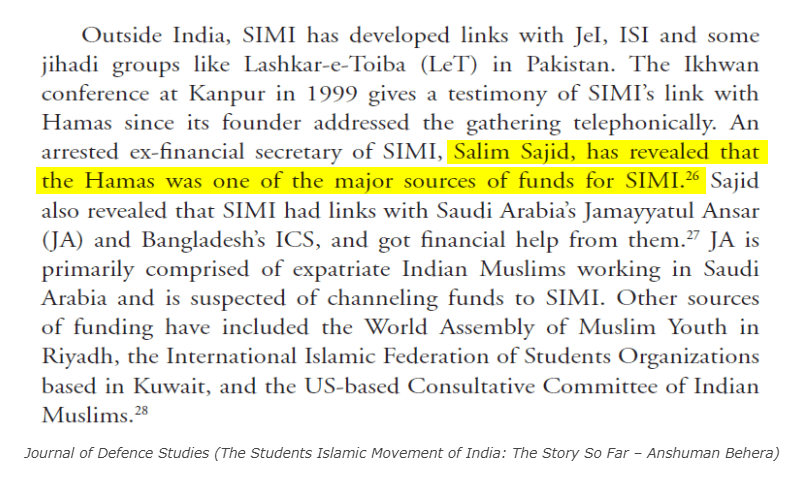
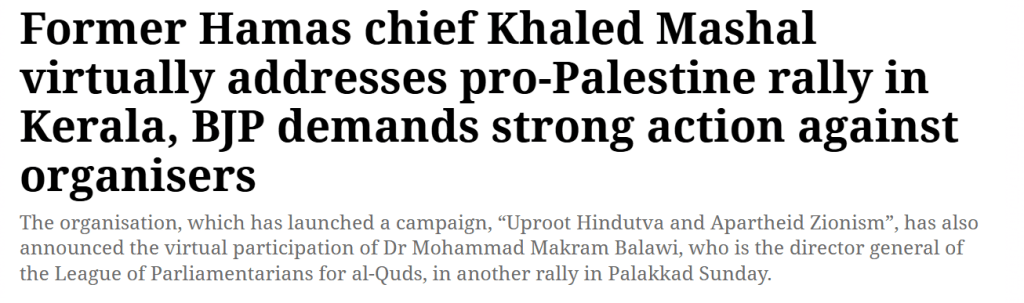
Why don’t we see progressive Muslim nations like the UAE and Bahrain glorify Hamas on the streets, unlike India? Because they understand the consequences— supporting such groups could destabilize their own countries and invite extremism. They firmly recognize the Muslim Brotherhood, the group from which Hamas originated, as a terrorist organization and have banned it, seeing it as a source of extremism. In contrast, many Western countries have not taken similar action in their attempt to uphold secular values. This could also explain why leaders of many Muslim nations maintain ties with Modi, meeting him and discussing business, decorating him with awards and honors, instead of ostracizing him. They likely recognize where some of the propaganda against him stems from.





 The Monkey Dilemma
You must be logged in to post a comment.