With dark and heavy content flooding streaming platforms these days, my old soul keeps craving simple old school romance. I still enjoy serious shows, no doubt about that, but when the real world already feels intense, I prefer feel-good stories when I sit down to unwind. The type of content that I grew up watching.
I have stepped away from Pakistani dramas and films on YouTube because I didn’t want my views or money indirectly going anywhere near causes I don’t support. The disrespectful remarks on India after Pahalgam from their celebrities didn’t help either. The mental distance I felt afterwards was enough for me to stop endorsing their entertainment. Everyone is free to choose what they watch though. I chose to stop out of personal preference. People say politics and art/sports/religion should not be mixed, but in reality, they often overlap.
There’s definitely a void now that I’ve stopped watching Pakistani dramas, so I’ve been hunting for lighthearted Indian content instead that would lift my mood. And I’m happy I found it in the new romcom series Tu Juliet Jatt Di.
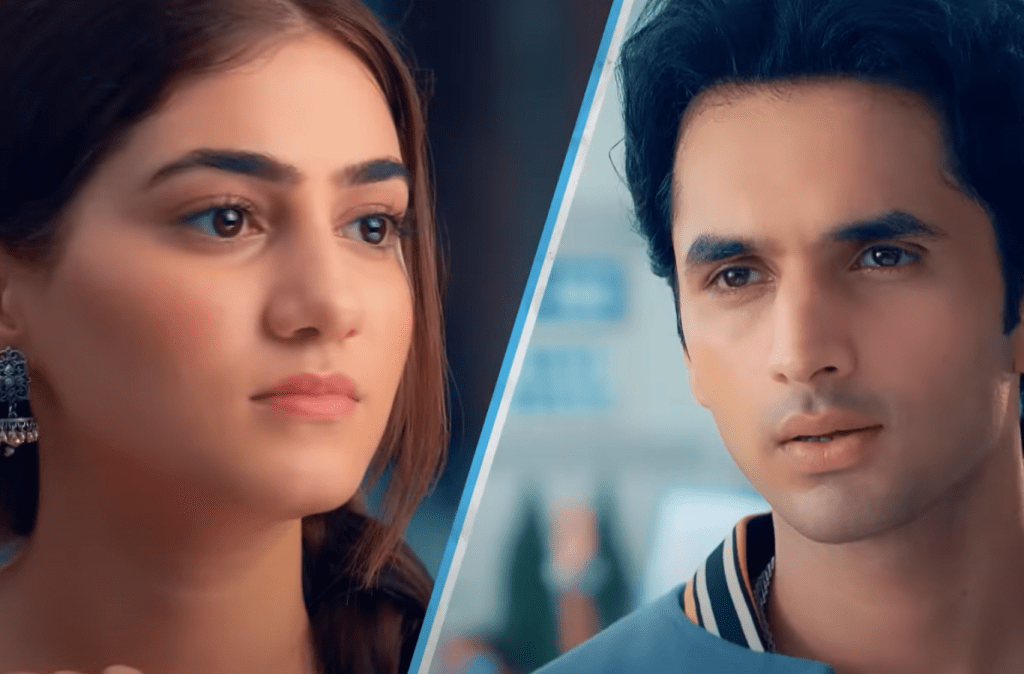
I cannot believe this is Jasmeet Kaur’s first project. She performs like a seasoned professional and is already more competent than many Hindi industry actresses who’ve been around for years. Syed Raza is impressive.
The chemistry between Syed Raza and Jasmeet Kaur is electric. I haven’t seen such crackling romance on screen in a long time. Most modern romances feel too serious. Think of movies like Saiyaara and Aashiqui 2, where the mood stays melancholic instead of happy or dreamy. There’s definitely an audience for that kind of storytelling, but I usually prefer something lighter and a little more positive.
We don’t get that fun vibe in Hindi movies anymore, the kind we once loved in Salaam Namaste, Kuch Kuch Hota Hai, Dilwale Dulhaniya Le Jayenge, Kal Ho Naa Ho, or, if we are to talk about something comparatively newer, then Wake Up Sid. Stories where silence and lingering eye contact made an impression, where romance was a slow-burn and intense, yet positive. When you watch stories like these, your mood shifts almost instantly. You walk away feeling lighter and a little happier than before. You feel like you yourself are in love, the feeling of butterflies in your stomach. That’s missing nowadays, isn’t it?
Critics and serious cinema lovers have been pushing the industry to take up more logical, serious, and believable stories that have put romcom fans like me in a fix. That’s why Tu Juliet Jatt Di feels refreshing. It’s playful, flirty, and full of swoonworthy moments. Sure, there are emotional scenes and melodramatic scenes, which may not feel like reality, but they don’t drag the mood down. Also, the heroine refuses to wallow. She’s bold, sharp, and unafraid to call out nonsense. Syed Raza as Nawab adds the right amount of mischief, something that’s missing in many love stories today.
Tu Juliet Jatt Di is loud, lively, chaotic, just like the old times. It’s not here to spread a social message or make you think. It’s here to offer pure entertainment that isn’t enveloped in hopelessness, violence, and despair. And what can be more entertaining than love?
If you enjoy Korean dramas or Pakistani romantic shows, you will, in full certainty, like this new Hindi series too.
Tu Juliet Jatt Di is currently streaming on Colors TV and Jio Hotstar.


 The Monkey Dilemma
You must be logged in to post a comment.