Kerala Story 2 Trailer: My Honest Take on Extremism, Politics, and the Real Kerala

Kerala 2 Story Photo

I finally watched The Kerala Story 2 trailer because the noise around it became impossible to avoid. I had stayed away from watching it till then, hoping we would collectively ignore it.

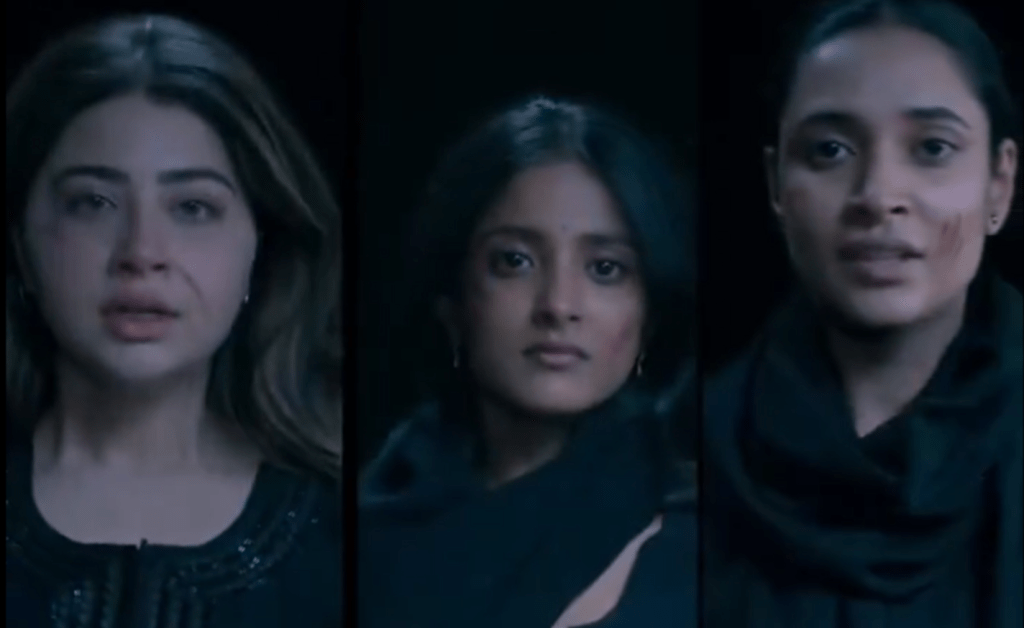
The trailer begins with a call to “convert India into a Muslim nation.” That kind of rhetoric comes from extremist outfits like PFI, not from everyday Muslims. It’s in PFI’s “India 1947” doctrine, available online. But the moment a film shows Islamist extremists, people immediately react as if the entire Muslim community is being insulted. That jump is what frustrates me. The trailer is clearly about extremists, not ordinary people (also confirmed by the makers).

I keep seeing reels saying, “Where in Kerala is this? This is nothing like Kerala.” Exactly. It is not about the regular Muslims we meet every day. It is about fringe groups.

When the movies, Bombay or Empuraan, showed Hindu extremists attacking Muslims, no one claimed the film insulted all Hindus, and that it was an insult to Bombay and a generalization. When films show fringe Hindutva groups, we do not accuse the filmmakers of attacking every Hindu. So why is criticism of Islamist extremism treated as an attack on Muslims as a whole? This inability to separate ideology from community makes any honest conversation impossible. And political groups thrive on that confusion.

I thought the film would be ignored this time. I watched the trailer only to understand the hype. Otherwise, I would not have bothered. And once again, the makers got free publicity because controversy sells.

The director’s NDTV interview

In an NDTV interview, the director was asked why he named it after Kerala again even though the film covers incidents in multiple states. His answer was very simple. He said he got attention for the first film because of the name “Kerala.” So he used it again to get the same effect. It was a marketing strategy. And we fell for it.

He also mentioned that the film connects certain cases to networks like Chhangur Baba’s. According to him, these networks have a specific goal in mind. Again, he presented this as the reasoning behind the storyline, not as a statement on all Muslims.

The song and the real-life cases

The song O Maayi Ri, sung beautifully by Shreya Ghoshal, reminded me of the emotional interviews with the mothers of victims (some notable victims include Nimisha, Sonia Sebastian, and Merrin Jacob). They begged for their daughters to be brought back from ISIS camps in Afghanistan. The girls, as per officials, were too radicalized to be brought back home. No country easily brings back citizens who have a soft corner for a terror group. Many countries around the world refuse repatriation because of national security concerns.

And Kerala has had some troubling conversion-related cases too.

  • There is the case of Sona Eldhose, who was allegedly forced to go to Ponnani for conversion.
  • There is also the story of Kamala Surayya, discussed in the book The Love Queen of Malabar. According to the book, she was encouraged to convert with the promise of marriage made by a mainstream political figure. Once she converted, he backed away. The book also mentions foreign funding from the Gulf that influenced the situation.

These cases do not define Kerala as a state, but they exist. They cannot be erased from the larger conversation.

Kerala’s habit of defending itself too quickly

What irritates me is how quickly Keralites jump into defensive mode. The moment someone brings up extremist incidents or conversion cases, people post “This is the real Kerala story” along with photos of communal harmony and Onam celebrations. Those moments are beautiful, but they do not cancel out the darker stories. Kerala can be progressive and safe while still having pockets of extremism. That duality is real. Acceptance does not mean defamation. In fact, acceptance is the first step toward accountability.

My issue with the beef discourse

Beef in Kerala has become a political symbol. I eat beef, but I am not here to prove that “I am a Hindu who eats beef. I’m so cool.” I am also not going to claim that Hindus who eat beef are not real Hindus. Those extremes mean nothing to me.

There are actual cases of people being forced to eat beef by partners or relatives. A basic online search shows plenty of such stories. So mocking that scene in the trailer becomes insensitive because coercion is not fictional for some people.

What makes the discourse more insensitive is the constant use of beef as a political prop in Kerala. Historically, beef has been used to hurt Hindu sentiments and harass certain groups. As someone who eats beef, I have never felt proud of it in a political sense. It is food. We can all eat what we like, but weaponising it feels disrespectful.

Even the MSF, the youth wing of the Muslim League, called out the SFI beef fests happening on campuses. They said it is insulting to those Hindus in Kerala who consider beef unholy. They added that they themselves would find it offensive if there were pork fests. Whether political or not, they made a fair point. Sensitivity should work both ways.

The political angle behind the controversy

This is something I have been observing closely. In my opinion, the controversy did not naturally explode. It was amplified politically. The first major reaction came from CM Pinarayi Vijayan on X. Once he reacted, his supporters followed, and the discussion spiralled from there.

I believe his response was a political strategy to position himself as the protector of secularism in Kerala. He had lost support earlier due to his association with Vellapally Natesan and also the Sabarimala gold case. His tweet seemed carefully framed as the Kerala election is near. He even highlighted that Kerala has not seen any communal riots in the last ten years, which also happens to be the period during which he served as Chief Minister.

Whether intentional or not, the film’s visibility multiplied because of this political reaction.

Why the title still annoys me

The title “Kerala Story Goes Beyond” suggests that Kerala is some central hub of Islamist extremism, which is simply not true. Kerala is safe. Hindus are safe. Fringe groups exist, but the narrative of “Hindu genocide” is false.

At the same time, filmmakers have always used region names to provoke reactions.
Movies like Bombay did not lead anyone to generalise the entire city.
Shows like Delhi Crime did not make people say Delhi is entirely unsafe.

But names like Kashmir or Kerala grab attention instantly. Filmmakers know this. It is part of the business. And audiences fall for it every single time.

Final thoughts

Kerala has many stories of harmony, culture, and peaceful coexistence. But Kerala also has some unsettling stories involving extremism, manipulation, and political strategy. Both realities can exist together. Loving a state does not mean denying the uncomfortable parts. Real progress and intellect come from honest acknowledgement.

An Ode to Feminichi Fathima

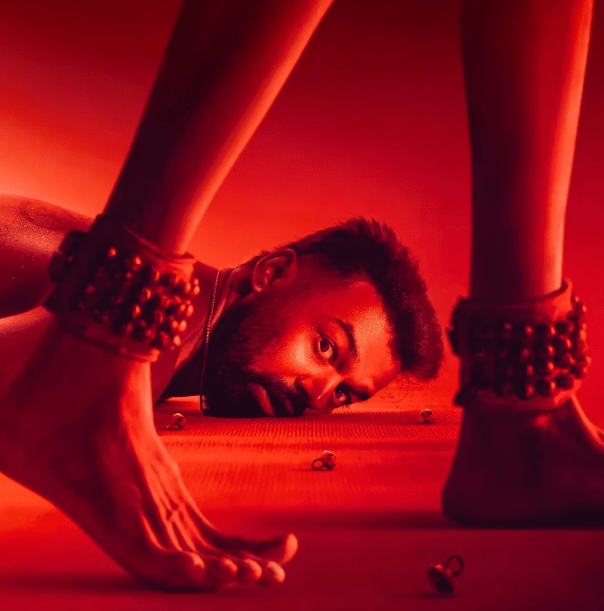
Feminichi Fathima Movie Poster

Feminichi Fathima is a Malayalam movie I had been waiting to watch for a long time. The film received strong appreciation at several film festivals. Many critics also spoke highly of it in their reviews. Now that it has finally released on OTT, the wait feels worth it. After watching the film, I can say it truly lives up to the praise it received.

The movie is a bold and thoughtful effort by director Fasil Muhammed to explore feminism from the perspective of a Muslim woman. This is a refreshing shift in Indian cinema, where feminist narratives are often shown through a cultural Hindu lens. Films like The Great Indian Kitchen (Mrs. in Hindi) and Thappad shaped much of that earlier conversation. Against that backdrop, this film feels timely and necessary. It adds a new voice to discussions on gender, faith, and everyday patriarchy.

What’s It About?

Fathima is married into a conservative and deeply religious family in the Malappuram district in Kerala. Her husband is a usthad (a religious leader) who expects his household to follow every rule without question. Life in the home is seen only through a strict, conservative lens.

Trouble begins when their young son wets the mattress. Fathima cleans it and leaves it outside to dry, but a dog later urinates on it. Since dogs are viewed as ritually impure, her husband reacts with anger and disgust. What follows is Fathima’s quiet struggle to fix the situation, facing resistance at every step.

The film makes a strong point that a woman in religious clothing can also be a feminichi (a slur often used by Malayalee misogynists to dismiss feminists).

Thoughts

Shamla Hamza and Kumar Sunil deliver standout performances. Shamla Hamza, in particular, is remarkable throughout the movie. It is hard to believe this is only her second project, after 1001 Nunakal, released in 2022. She performs with the ease and control of a seasoned actor. Her expressions carry much of the film’s emotional weight. Shamla winning the Kerala State Film Award for Best Actress feels well deserved. The storyline is fresh and quietly rebellious, which makes her performance even more powerful.

In many ways, the film feels braver than other feminist movies. Dissent is rarely encouraged in conservative Muslim families, which makes this narrative more powerful. The story shows how questioning norms itself becomes an act of courage. That is what sets this Malayalam feminist film apart. It opens space for conversations that are often silenced. Ideally, it will inspire more Feminichi Fathimas to speak up and stand for their rights.

Even though the subject is heavy, the movie never becomes overwhelming. It avoids melodrama and keeps emotions grounded. Light comedy is woven into the narrative. This balance makes the film feel surprisingly breezy. The pacing is tight and engaging throughout. You can easily watch the full 1.5 hours in one sitting without needing a break.

I would call this movie a must-watch for anyone interested in meaningful Malayalam cinema. Feminichi Fathima is now streaming on Manorama Max. You can also watch it via Amazon Prime with a Manorama Max subscription. English subtitles are available.

Rohit Saraf Feels Like Old-School Romance and I Love It

Rohit Saraf Photo

I often find myself missing the old Bollywood romance era. Films by Yash Chopra or early Karan Johar had a kind of magic that is hard to find today. The lead pairs had real chemistry, the kind that made you feel every emotion with them. When they looked at each other with misty eyes, you felt like you were falling in love too.

But in many new-generation films, that spark seems lost. I don’t know whether it’s the acting, the writing, or the shift in filmmaking trends. Modern romance feels rushed, predictable, too dark, melancholic, or sometimes just flat. The warmth, passion, and emotional storytelling that defined classic Hindi cinema is fading, and I genuinely miss it.

In today’s film landscape, Rohit Saraf feels like a breath of fresh air. He brings back that soft, believable romance many of us grew up loving. One thing that stands out about him is his effortless chemistry with his co-stars.

My favorite project of his isn’t even a Hindi film. It’s the Tamil romance Kamali From Nadukkaveri, where his performance and chemistry with the lead actress, Anandhi, is genuine and sweet. I would also suggest watching his earlier series on Zee5 titled Woh Bhi Din The. He filmed it when he was much younger. The emotional connection between the characters feels very real. Also, let’s not forget his impeccable chemistry with Pearle Maaney in Ludo, which remains one of my favourites.

In Sunny Sanskari Ki Tulsi Kumari, Rohit Saraf continues that image of the ideal romantic partner. His chemistry with Janhvi Kapoor feels natural and much stronger compared to the chemistry between the main lead pair. Honestly, their scenes had more warmth and emotional pull. I found myself wishing the makers had focused on that storyline instead of pushing the romance between Janhvi and Varun Dhawan. It felt like the more organic love story was sitting right there, but never fully explored.

Personnally, I feel Rohit Saraf deserves more recognition for keeping that old-school romantic charm alive.

Maybe it’s time filmmakers start looking for the right lead pair for Rohit Saraf. If they get that pairing right, many of us women could finally relive the era of Kajol and Shah Rukh Khan or Aamir Khan and Juhi Chawla. Those iconic pairs made romance feel real, soft, and unforgettable.

A couple with that kind of natural chemistry is missing in today’s Hindi films, and audiences like me are definitely craving it.


Horror Movie Spotlight: Diés Iraé

Dies Irae Movie Poster

Like many, I found the movie’s name, Diés Iraé, tricky to pronounce. I’m quite sure I’m still saying it wrong. But the offbeat name adds to its charm. For those who don’t know, Diés Iraé is Latin for “Day of Wrath.” It’s a term from Christian theology referring to the day when souls are judged.

The first time I heard about Diés Iraé was when I went to watch Lokah. The trailer of the movie immediately captured my attention. The execution looked stylish, and Pranav Mohanlal looked good. I knew then that I had to watch this movie in a theatre.

What’s It About?

A young, wealthy man who lives life to the fullest begins experiencing strange supernatural events in his home after visiting the house of an ex-fling who was found dead in a well. The restless spirit haunting him seems furious for unknown reasons and determined to destroy his life.

Thoughts

Since Diés Iraé is a horror film, only adults were allowed inside the theatre. An ID card was required. The theatre I went to was almost empty, which I actually didn’t mind. It meant no one was around to make unwanted comments or jokes. This has become a real problem in many Kerala theatres. I faced this issue when I went to watch Bramayugam. I hope the film industry or theatre authorities take strict action against such behavior. If they want to attract more viewers, they must ensure a respectful environment. Otherwise, serious movie lovers will simply wait for the OTT release and enjoy the film peacefully at home.

Getting back to Diés Iraé, I wouldn’t call it mind-blowing. The special effects were impressive, though. Nothing looked fake or unintentionally funny. Pranav Mohanlal delivered a decent performance, and he looked great on screen, which helped balance out a few of his less convincing moments.

There are a few jump scares, so be prepared for that.

Overall, the story felt average. If you’ve seen a lot of horror films, this one might not surprise or scare you much. Still, the execution was solid, and the fact that a film of this scale and quality came from Kerala is definitely something to be proud of.

The creepiest part was seeing the line “inspired by true events.” I didn’t dare look up what those events were. Some things are better left unresearched if you want to sleep peacefully at night.

I would say Diés Iraé is a good one-time watch. At under two hours, it’s a quick and engaging film that keeps you entertained throughout.

Netflix Movie Review: Inspector Zende

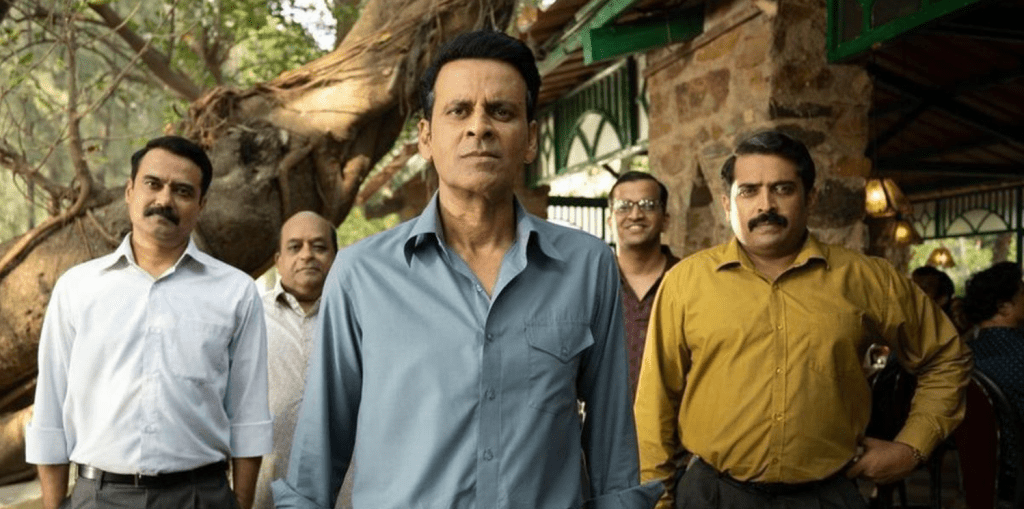
Inspector Zende Poster with Manoj Bajpayee and other Actors

I was in the mood for something light and funny. Since I’m a bit under the weather, my brain just can’t deal with anything too serious right now. I needed some humour to melt the moodiness away. The sticky Kerala humidity, returning after a long bout of pleasant rainy weather, hasn’t helped either. So when I read the synopsis of Inspector Zende, I thought, yup, this is exactly what I need to watch.

What’s It About?

Inspector Zende is inspired by the real-life story of the officer who caught Charles Sobhraj not once, but twice. In the film, the criminal goes by the name Carl Bhojraj, and the plot follows the inspector’s relentless pursuit to nab him a second time.

Thoughts

I really enjoyed the way the movie was narrated. It was light-hearted and fun. Sure, it drags a little in the middle, but overall, I loved how they kept the tone humorous from start to finish. Given the serious subject, they could easily have gone for a heavy treatment, but thankfully, they didn’t. This is exactly the kind of film I’d like to see more of.

Manoj Bajpayee was brilliant as Inspector Zende. We’ve seen him excel in intense police roles before, but here he shines just as much in a lighter, comic avatar. And honestly, I can’t think of anyone other than Jim Sarbh who could have pulled off Carl Bhojraj so well.

If you’re in the mood for something breezy, I’d definitely recommend Inspector Zende on Netflix.

Comedy Movie Review: Prince and Family

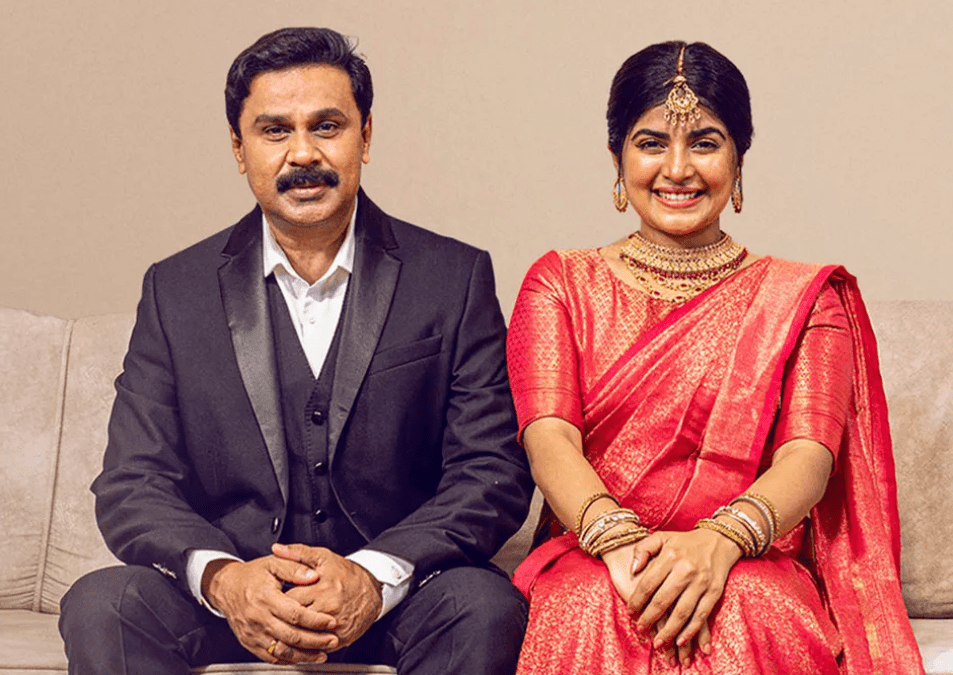
Prince and Family

I think it’s safe to say I’m seriously craving a good comedy film. The genre seems to be fading in Indian cinema. I’m not enjoying that shift one bit. Remember the Andaz Apna Apna era? Pure classic. Even Malayalam cinema had its fair share of timeless comedies that still hold up today. That comedy void is exactly what led me to subscribe to Zee5, just to watch the Malayalam film Prince and Family.

To be honest, I’ve become quite disconnected from new movie releases. Life in your 40s tends to be more news-oriented and less in touch with the entertainment world. And to make it worse, the kind of feel-good content I enjoy seems to be rare these days. I was brought up in the era of Yash Chopra and Karan Johar movies. So it’s natural that I miss the soft aesthetics of good ol’ Bollywood romance and the comedy movies of Malayalee actors like Mohanlal and Sreenivasan.

Considering my disconnect, I actually discovered Prince and Family through Instagram Reels. It was the viral dance entry of Chinju Rani that caught my eye and motivated me to subscribe to Zee5.

What’s It About?

Prince and Family tells the story of Prince Chakkalakkal, a well-known fashion designer in his 40s working in Kerala. He carries the weight of his entire family, including his two unemployed brothers and their families, on his shoulders. Despite his success, Prince remains unmarried, struggling to find the right partner.

Enter Chinju Rani. A hyper-energetic woman in her 20s and a popular social media influencer. Their match is arranged through an online matrimonial site.

Chinju Rani lives for the ‘likes.’ Every decision she makes is filtered through the lens of her followers. So much so that on her wedding night, she’s busy editing and posting her wedding video, while her husband waits and eventually falls asleep.

Can two people from such different worlds build a happy marriage? That’s the heart of Prince and Family.

Thoughts

I enjoyed Prince and Family overall. It had a promising comic tone at the start. I only wish they had stuck with that all the way through. While I understand the film’s intention, that is to highlight the dangers of living through social media at the cost of real-life connections, the shift to a more serious tone felt a bit abrupt. Honestly, the world of influencers offers plenty of material for comedy, and the film could have explored that further in a subtle manner without losing its message.

Some of the emotional scenes felt exaggerated. But not to the point of losing interest. The film kept its entertainment quotient intact throughout.

Dileep’s character is particularly interesting. He’s choosy about marriage proposals, with one preference that seems to be clearly dominant over all others even though it’s not explicitly stated: he wants a young, unmarried, attractive woman. Despite being in his 40s, this mindset makes him dismiss proposals from women his own age with a certain disdain. It’s old-school thinking, but it mirrors real-life attitudes in India that still persist. This is why we see 50-year-old Indian male actors romancing 20-year-olds on-screen, while actresses of the same age group play their mothers.

The real star of the movie, though, is Raniya Raanaa. Some might say she’s overacting, but I think she nails the hyper energy of a social media influencer who lives for the camera. Her performance is full of life, and she handles emotional scenes with ease. Siddique and Bindu Panicker are excellent in their supporting roles as well.

All in all, Prince and Family is worth a watch. Just don’t expect too much logic or nuance. It’s streaming now on Zee5.