Most people say travel is rejuvenating, but no one really talks about what happens after the trip ends. This feels especially true for people with desk jobs, regular 9-to-5 schedules, or the kind of overtime-heavy work culture that has become common in India.
Once you return from travelling, you are often left with an unsettling feeling. You begin to realise how much of your life is spent restricted to a desk, tied to routines and responsibilities, while there is an entire world outside waiting to be explored. New cities, different cultures, mountain roads, local food, conversations with strangers, and experiences that make life feel bigger than your daily routine. Travel has a strange way of making ordinary life suddenly feel very small.
The truth is that most of our lives are spent working. We spend decades chasing stability, salaries, deadlines, and financial security. Only after retirement do many people finally get the chance to explore the world properly, spend more time on meaningful things, or simply move through life at a slower pace without constantly watching the clock.
After my recent trip, I finally understood why many people choose to limit travelling to retirement. Because when you travel while still working, the months that follow are spent thinking about retirement itself. You start questioning the structure of life in a way you probably never did before.
I think most people are not really craving luxury nowadays. They want peace. A chance to step away from competition, pressure, expectations, and the endless cycle of productivity. But financial responsibilities keep most of us attached to the lives we currently live. And if you think about it, it really is a sad state of affairs. So much of life passes without us truly knowing the world outside our routines. We spend our healthiest years working, saving, and postponing experiences for “someday.” Then, when we finally have enough time and freedom to explore, our physical health may no longer allow us to travel the way we once dreamed of.
Sometimes it genuinely feels like a trap. That is just how modern life is designed. The very rich can afford to live slowly, travel often, and experience the world freely, while the rest of us remain tied to jobs so we can eventually retire with enough money to live comfortably later in life. Until then, most people continue surviving between deadlines, stress, and short vacations that end far too quickly.
It has now been two months since my trip ended, and the feeling of missing the mountains still has not faded. I miss the slow life and mental peace I experienced there deeply. Returning has brought a quiet sadness that has stayed with me ever since. During those ten days of travelling, I experienced bliss as I consciously stayed away from the internet and social media. Honestly, it felt like a relief. When you are travelling, you do not really need distractions because the world around you becomes interesting enough on its own. Every moment feels fuller and more present.
Back home, though, life goes back to screens, schedules, and desk work. And sometimes the internet becomes the only way to explore the world when your real life feels limited to routines.
So now I sit with these thoughts quite often. There is a sombre feeling attached to them. I acknowledge these emotions and quietly hope that one day I return to the version of myself that existed before the trip, when I did not constantly think about whether I was missing out on life, the world, new people, or new experiences. Back then, work and everyday routines felt enough. I was content simply engaging daily with the people I already knew and focusing on responsibilities without questioning life too much.
But travel changes something inside you. That is the difficult part about it. It is both beautiful and cruel at the same time. It opens your eyes to how much more life has to offer, while also reminding you how little time most people actually get to experience it. As the euphoria of the trip fades, the ache lingers.
***
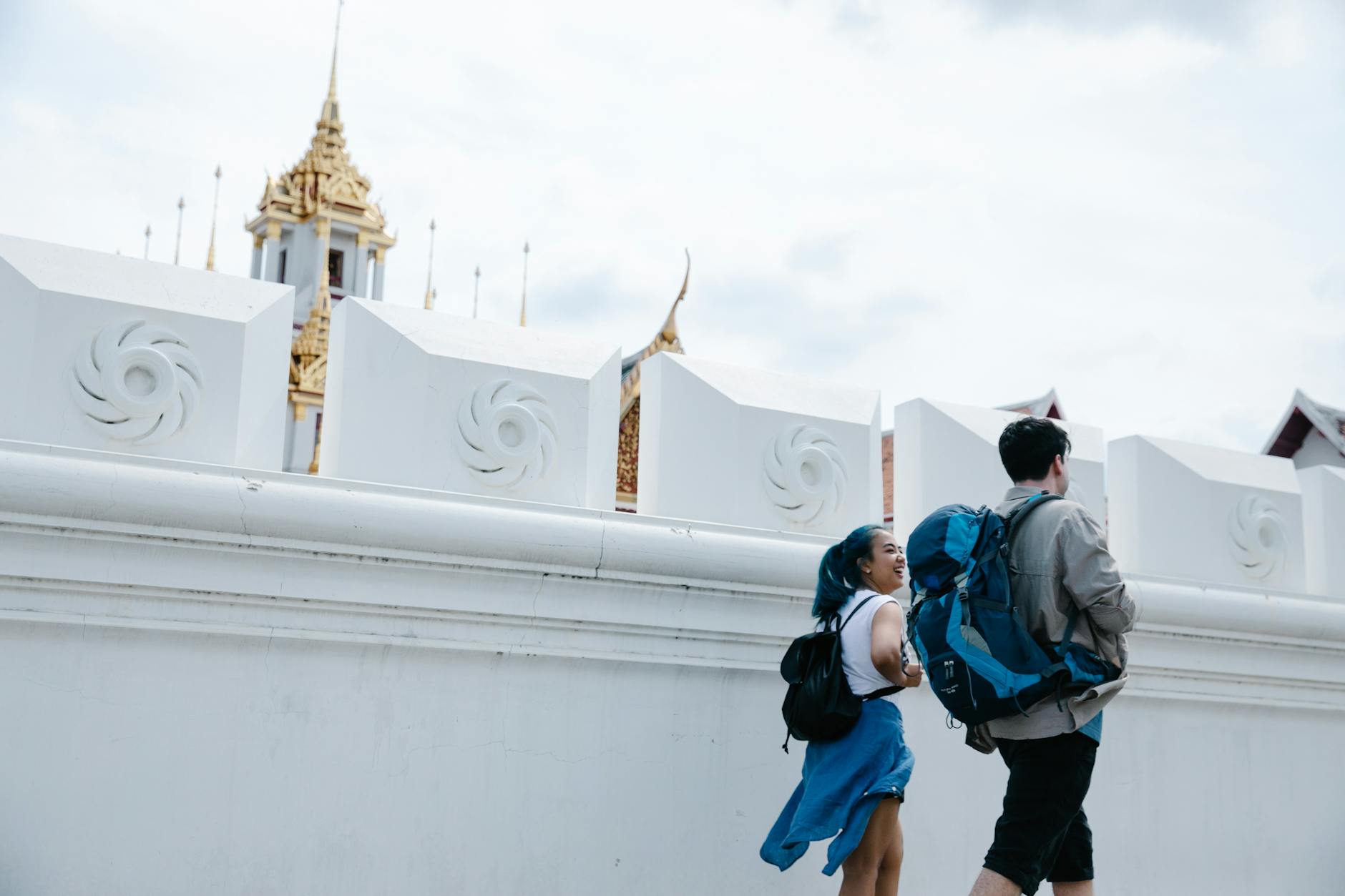
Photo by George Pak

 The Monkey Dilemma
You must be logged in to post a comment.