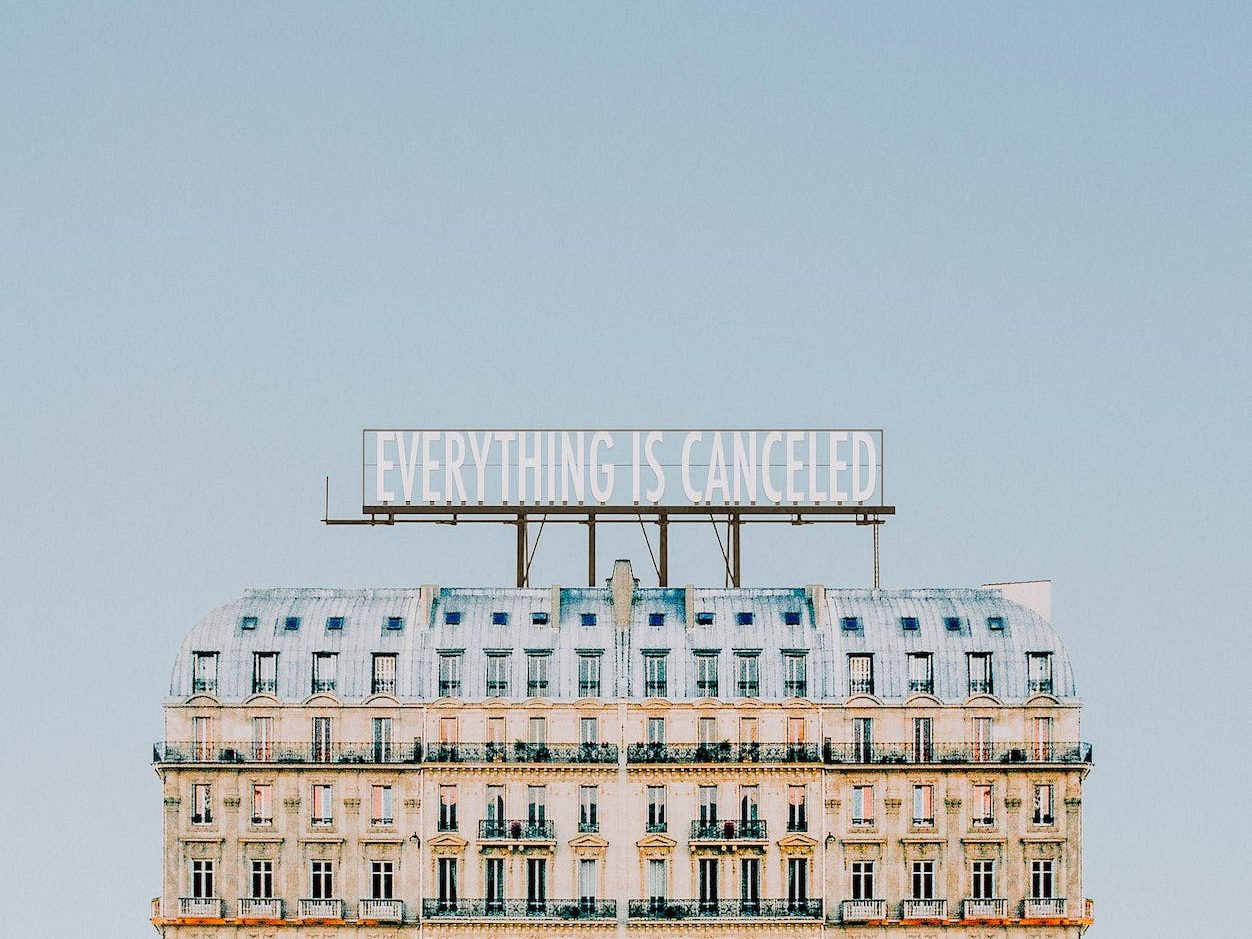
Some terminologies have been rightfully canceled. Words that do more harm than good. To use phrases like “I have OCD” when the person has not been medically diagnosed, or to call anyone “retarded” as a form of insult, is being inconsiderate toward people who are experiencing distress or discomfort from such conditions.
This post is not about the usage of problematic terms. It is about everything getting canceled nowadays based on subjective viewpoints. Social media encourages you to cancel someone if you disagree with them. The internet is so vast that you will always find someone who can cancel the same things along with you.
For example, nowadays, I see people calling someone “woke” if they don’t agree with the person. I have seen two sets of people use “woke” in two different contexts. One set calls feminists, activists, and anyone who smashes conventional norms as woke. The other set (which includes feminists) uses it for argumentative and politically correct people. The article “What Woke Means to Liberals and Conservatives” explains how the left and right decode the term.
Now imagine these two sets of people in the same room. They most probably would cancel each other out.
The cancel culture is mainly restricted to the online world. In the real world, people often exhibit greater acceptance and forgiveness. Rather than canceling, they are open to engaging in conversations and are willing to let go if someone holds a different perspective. They understand it is impossible to convince everyone to feel the way they do.
If you think about it, there are many concerns regarding endorsing this cancel culture: How much canceling is too much canceling? Where is the middle ground? Are we at risk of gradually negating each other’s voices to the point where our words become flavorless and self-righteous? Are we on the verge of losing the art of engaging and captivating conversations? Will the fear of offense diminish the essence of comedy, which often relies on pushing boundaries and challenging norms?
When we cancel people and force them to act our way, we unknowingly create a robotic world filled with yes-men. When this happens, we enter an emotional comfort zone devoid of growth. By avoiding conversations and explanations with individuals whose thoughts differ significantly from ours, we miss out on opportunities to engage in meaningful dialogue and expand each other’s perspectives. It is through such discussions that we can foster understanding, empathy, and potentially find common ground, even amidst differing opinions.
Change does not happen overnight, especially regarding principles and beliefs that have been drilled into us since childhood. It is only through increased exposure, experiences, and open-minded discussions that people can gradually become more receptive. Our willingness to engage with them, along with the assistance of others who share similar viewpoints, can play a role in encouraging them to take that important first step toward embracing different perspectives, if not now then later.
The beauty of life lies in the fact that there are many different personalities around us. If everyone acted the same way, how would we learn the art of acknowledging differences? If we don’t acknowledge differences, how do we stay sane? How do we practise empathy and kindness? The cancel culture makes people more intolerant, angry, polarized, and destructive. In my article, To Speak or Not To Speak, I voiced my concerns about the same.
It’s always better to leave room for disagreements, understand why someone feels a certain way (fear being almost always the root cause), and try to give your take on things using non-violent communication without any expectations. The result of such a discussion might not always be fruitful, but if the conversation is done right, you can expect your tolerance levels to improve and your mind to be more empathetic to people with a social conditioning that is different from yours. If each person felt this way, we could probably bring about the desired change more effectively without emotions playing a spoilsport.
***
Photo by Jeffrey Czum

 The Monkey Dilemma
You must be logged in to post a comment.