Haq: When a Film About Muslim Women Speaks to All Women

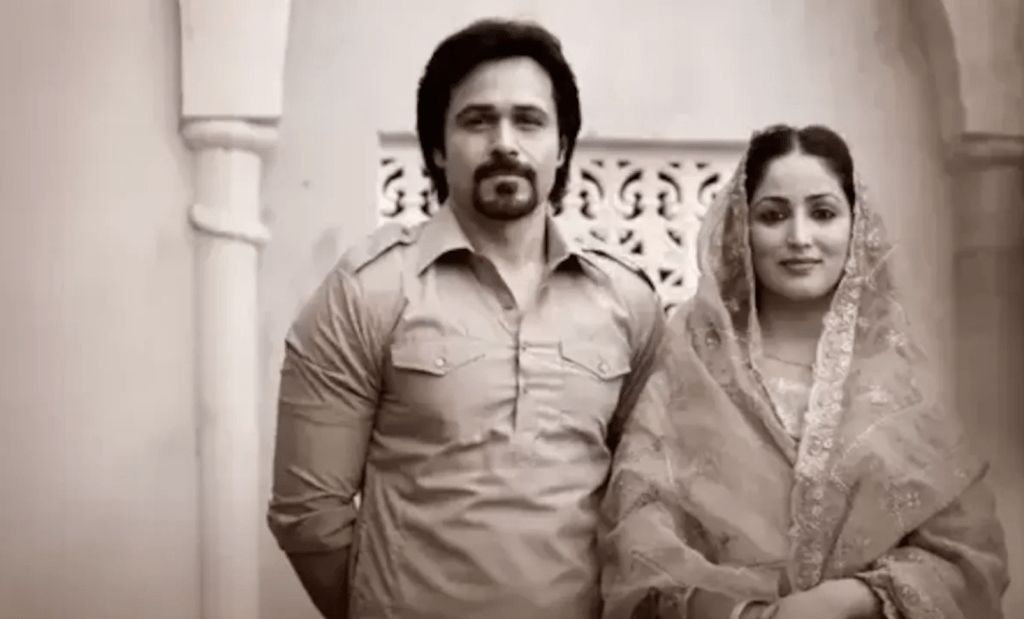
Haq Movie Poster

For the most part, Haq is not a story only about Muslim women. It is a story about women in general. Almost all of us know someone, married or unmarried, who has been cheated in love. We have seen that heartbreak up close, and we understand the emotional toll it takes.

When Shazia feels betrayed, we feel it too. When she wants the best for her children, that emotion feels familiar. When she fights for her rights, it resonates deeply. And when her father stands by her without hesitation, it reminds us of our own fathers and the quiet strength that support brings. These are emotions that are universal to women, cutting across religion, culture, and background.

The narrative becomes specifically about Muslim women only when the legal issues come into focus. That is where the real differences emerge, and the film clearly highlights how laws and systems can shape a woman’s fight for justice. It is to be noted that soon after the Triple Talaq ban was implemented in India, many Muslim women began approaching the courts to seek justice. While there was no open praise for the current government for such a ban, there was a quiet acceptance of the relief and protection the law offered them in real life. Many Muslim men, however, continue to view the ban as an insult to their faith rather than as a legal safeguard for women.

Getting back to the movie, Yami’s final monologue is powerful and leaves a strong impact. Emraan feels completely natural throughout and never once seems like he is performing. Sheeba Chaddha is equally convincing and brings depth to her role.

I especially want to credit Emraan for choosing to act in a film that openly talks about Muslim women’s rights. It takes conviction to support a story like this, especially as a Muslim, without dismissing it as Islamophobic. The film is clearly not that. Instead, it focuses on real issues and lived experiences, and his decision to back the narrative adds credibility and strength to the message being told.

Overall, I liked the film. The background music could have been better, and Yami is not fully convincing in a few scenes. Still, she more than makes up for it in the final act, which stays with you long after the film ends.

Haq is now streaming on Netflix.

Dhurandhar Lingers Long After the Credits Roll

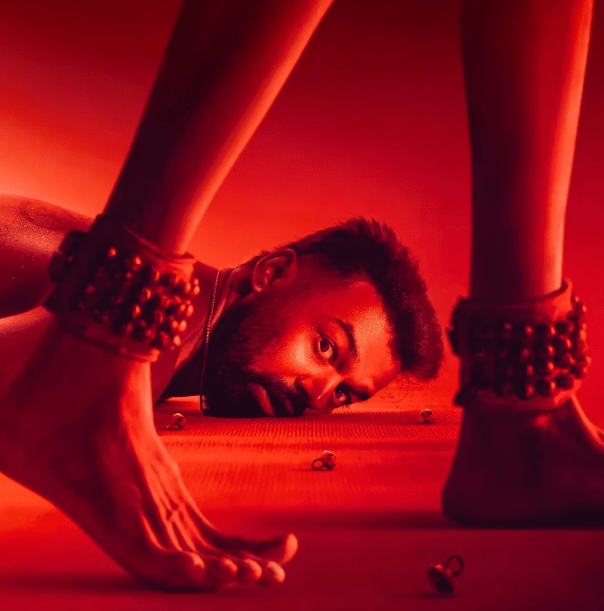
Dhurandhar Movie Poster

I watched Dhurandhar a few days back, and it has stayed with me ever since. It keeps running in my head – the songs, the action sequences, the passion for the country. The nationalist in me is satisfied.

For the first time in a long while, an Indian spy movie moved away from humanizing terrorism. That shift feels bold and necessary. The film forces you to sit with harsh truths instead of offering easy heroes and neat endings. It does not try to make violence look noble or harmless. That honesty is what makes Dhurandhar powerful, and also hard to shake off.

Personally, I felt a quiet mix of angst and sorrow when I saw some people brush the film off as propaganda or political. This view is subjective, but it still made me uneasy. The events shown are not opinions or theories. They happened. Calling a film like Dhurandhar propaganda does a disservice to the people who lost their lives in terrorist attacks. It dismisses real events that happened and real pain that was lived. These truths were not addressed openly for years, often out of fear or sheer convenience. When cinema finally creates space to tell these stories, the instinct should be to listen, not reject. The strong box office response shows that many people are ready to face uncomfortable realities. That response matters. Aditya Dhar deserves credit for choosing honesty over comfort. I have admired his films for consistently daring to tell stories most would rather avoid.

When the screen turned red, I could not hold back my tears. It made me emotional. But I also wondered if anyone watched that moment and felt nothing at all. That thought itself felt disturbing. Not feeling the pain of fellow Indians, or even a flicker of anger, says something deeper. In a country where apathy is already common, it is easy to believe some viewers saw it with blank eyes. For them, everything uncomfortable becomes propaganda, dismissed as an attempt to show Pakistan in a bad light.

Sometimes it feels like a lost cause to expect people to stand firmly with the country, without hesitation or filters. Many of us avoid the truth because it feels uncomfortable. We prefer to hide behind safe words like peace and love. But years of doing that came at a cost. We were taken for granted. Our suffering was questioned. Our stories were dismissed as lies or branded as conspiracy theories.

I think it is time for India to stand up for itself. We need to acknowledge our truth and stop looking away. Facing reality head-on is not hatred or extremism. It is honesty. Only when we accept what went wrong can we learn from it. Growth does not come from denial. It comes from clarity, courage, and accountability.

Now there are people who argue that this much truth does not belong on screen. If that were true, then why do we make social films like Homebound at all? Those films are also hard-hitting and deeply uncomfortable. Cinema has always helped bring difficult issues to the public in a more digestible way. Stopping that only pushes reality back into silence.

The violence in the movie is also being criticised, but real-world events prove how close such scenes are to the truth. The recent lynching of a Hindu man in Bangladesh is a grim reminder that brutality is not exaggerated fiction. Dhurandhar does not sugarcoat this reality, and that honesty is exactly why it matters.

Coming to the performances, while many are praising Akshaye Khanna, for me it was Ranveer Singh who truly stood out. His eyes did most of the talking, and it was brilliant to watch. There was a quiet intensity in his acting that stayed with me. Sara Arjun also impressed me with her performance and screen presence. She brought both grace and emotional weight to her role. The music deserves special mention too. It lingers in your mind and pulls you back into the world of Dhurandhar long after the film ends.

Overall, I would say Dhurandhar is a must-watch. It is not an easy film, but it is an important one. It stays with you long after the credits roll. I most probably would end up watching it again.

I Watched Homebound… and Ended Up Thinking About India Beyond the Film

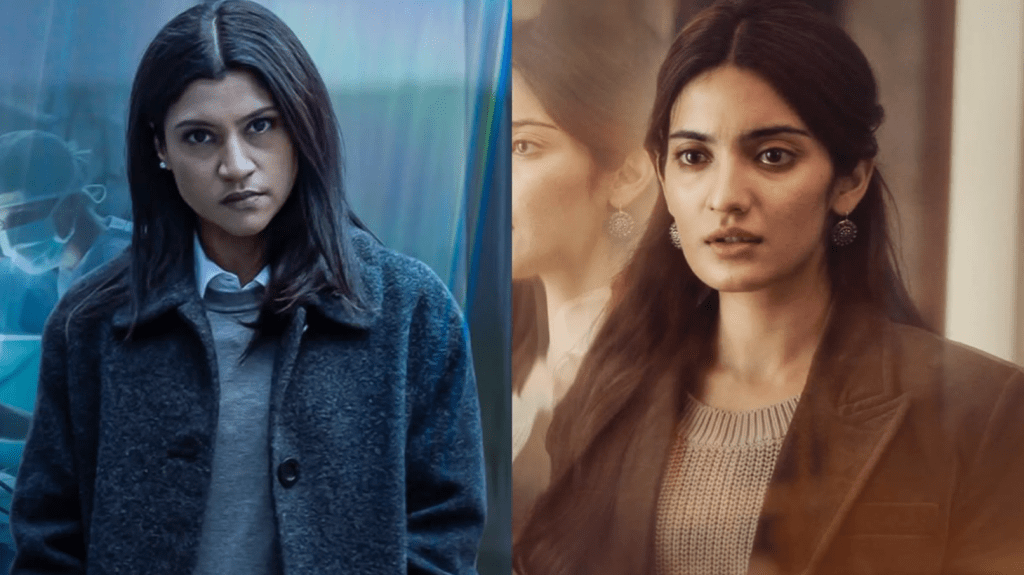
Homebound Photograph

I waited a while before watching Neeraj Ghaywan’s Homebound on Netflix. Even with glowing reviews and friends urging me to watch it, I knew it wouldn’t be an easy experience. It’s heavy in more ways than one, because the film doesn’t just explore caste discrimination, it also shines a light on the prejudice faced by Muslims in India. So from the beginning, you know you’re stepping into something intense and uncomfortable.

Neeraj Ghaywan holds an important place in Indian cinema as he’s one of the very few Dalit directors who publicly acknowledge his Dalit identity. As viewers, most of us don’t sit and think about a filmmaker’s caste or religion when watching a movie. But the uncomfortable truth is that opportunities in the film industry still seem to be uneven. If he is the first Dalit filmmaker in decades because of gatekeeping rather than lack of talent, then that says a lot about how deep systemic bias still runs in India, even in an artistic platform like the film industry. This is something the film industries across India need to acknowledge and work on.

As expected, the story in Homebound was heartwrenching. It’s based on a real incident, which sadly doesn’t come as a surprise. The film also draws inspiration from the Bhim-Meem idea, a political expression that promotes Dalit-Muslim unity, adding another layer of depth and context to its narrative.

For me, the most heartbreaking scene was when Ishaan’s character, a young Muslim boy, is accused of being Pakistani after an India vs Pakistan cricket match. That moment was infuriating and hard to sit through.

At the same time, I feel Indian films need to move beyond the usual “General Category vs Dalit” and “Hindu vs Muslim” framework when addressing oppression. Recent incidents, including the honour killing of a Dalit man by an OBC family because he dared to love their girl, show that reality is much more complex in India, and discrimination doesn’t come from one direction. It exists across castes and religions. Dalit Christians, Pasmanda Muslims, and many others face layered forms of exclusion, yet these conversations rarely enter mainstream media or pop culture.

I recently spoke to someone from the Yadav community who felt that Yadavs should be getting more opportunities than others in Bihar. It surprised me, because it shows how deeply caste identity shapes expectations, even among groups that aren’t “upper caste.” It’s even sadder to see communities that once faced discrimination now repeating the same mindset toward those they see as lower in the hierarchy. Many people assume caste hierarchy is a simple top-to-bottom structure, but in reality, it behaves more like overlapping layers of status, power, and regional identity.

I also think about the discrimination that exists within minority communities. My neighbour, a very liberal Muslim woman in Kerala, once told me that some of her extended family members won’t eat food cooked by non-Muslims. So who addresses that side of prejudice?

If we want a more equal and united India, we need to acknowledge and call out all forms of discrimination. But if someone tries to make a film exploring other angles, it often gets labelled propaganda or agenda-driven. That makes honest conversation difficult.

We’ve seen similar themes in films like Dhadak 2 this year, and even the first Dhadak explored the same kind of social divide. Something that stood out to me across movies in this space was the prominent placement of Ambedkar’s photograph. It’s a small detail, but it says a lot. Ambedkar himself is a layered and complex figure. His critique was not limited to Hinduism, and he questioned multiple belief systems with the same sharpness. But that side of him rarely enters public discussion, because even many of his admirers seem hesitant or defensive about acknowledging it.

Many of us are ready to recognise discrimination against Muslims and Dalits, and those conversations are important. But there should also be space to talk about other traumatic histories like the Kashmiri Pandit exodus without being dismissed or judged. Empathy and understanding shouldn’t stop at one group. If injustice matters, it should matter universally.

This isn’t a rant. Just a hope that our films, stories, and discussions grow braver and more layered. Because India isn’t simple. It’s diverse, complicated, emotional, and full of uncomfortable truths. And storytelling feels meaningful when it reflects that reality rather than just one slice of it.

Rohit Saraf Feels Like Old-School Romance and I Love It

Rohit Saraf Photo

I often find myself missing the old Bollywood romance era. Films by Yash Chopra or early Karan Johar had a kind of magic that is hard to find today. The lead pairs had real chemistry, the kind that made you feel every emotion with them. When they looked at each other with misty eyes, you felt like you were falling in love too.

But in many new-generation films, that spark seems lost. I don’t know whether it’s the acting, the writing, or the shift in filmmaking trends. Modern romance feels rushed, predictable, too dark, melancholic, or sometimes just flat. The warmth, passion, and emotional storytelling that defined classic Hindi cinema is fading, and I genuinely miss it.

In today’s film landscape, Rohit Saraf feels like a breath of fresh air. He brings back that soft, believable romance many of us grew up loving. One thing that stands out about him is his effortless chemistry with his co-stars.

My favorite project of his isn’t even a Hindi film. It’s the Tamil romance Kamali From Nadukkaveri, where his performance and chemistry with the lead actress, Anandhi, is genuine and sweet. I would also suggest watching his earlier series on Zee5 titled Woh Bhi Din The. He filmed it when he was much younger. The emotional connection between the characters feels very real. Also, let’s not forget his impeccable chemistry with Pearle Maaney in Ludo, which remains one of my favourites.

In Sunny Sanskari Ki Tulsi Kumari, Rohit Saraf continues that image of the ideal romantic partner. His chemistry with Janhvi Kapoor feels natural and much stronger compared to the chemistry between the main lead pair. Honestly, their scenes had more warmth and emotional pull. I found myself wishing the makers had focused on that storyline instead of pushing the romance between Janhvi and Varun Dhawan. It felt like the more organic love story was sitting right there, but never fully explored.

Personnally, I feel Rohit Saraf deserves more recognition for keeping that old-school romantic charm alive.

Maybe it’s time filmmakers start looking for the right lead pair for Rohit Saraf. If they get that pairing right, many of us women could finally relive the era of Kajol and Shah Rukh Khan or Aamir Khan and Juhi Chawla. Those iconic pairs made romance feel real, soft, and unforgettable.

A couple with that kind of natural chemistry is missing in today’s Hindi films, and audiences like me are definitely craving it.


Horror Movie Spotlight: Diés Iraé

Dies Irae Movie Poster

Like many, I found the movie’s name, Diés Iraé, tricky to pronounce. I’m quite sure I’m still saying it wrong. But the offbeat name adds to its charm. For those who don’t know, Diés Iraé is Latin for “Day of Wrath.” It’s a term from Christian theology referring to the day when souls are judged.

The first time I heard about Diés Iraé was when I went to watch Lokah. The trailer of the movie immediately captured my attention. The execution looked stylish, and Pranav Mohanlal looked good. I knew then that I had to watch this movie in a theatre.

What’s It About?

A young, wealthy man who lives life to the fullest begins experiencing strange supernatural events in his home after visiting the house of an ex-fling who was found dead in a well. The restless spirit haunting him seems furious for unknown reasons and determined to destroy his life.

Thoughts

Since Diés Iraé is a horror film, only adults were allowed inside the theatre. An ID card was required. The theatre I went to was almost empty, which I actually didn’t mind. It meant no one was around to make unwanted comments or jokes. This has become a real problem in many Kerala theatres. I faced this issue when I went to watch Bramayugam. I hope the film industry or theatre authorities take strict action against such behavior. If they want to attract more viewers, they must ensure a respectful environment. Otherwise, serious movie lovers will simply wait for the OTT release and enjoy the film peacefully at home.

Getting back to Diés Iraé, I wouldn’t call it mind-blowing. The special effects were impressive, though. Nothing looked fake or unintentionally funny. Pranav Mohanlal delivered a decent performance, and he looked great on screen, which helped balance out a few of his less convincing moments.

There are a few jump scares, so be prepared for that.

Overall, the story felt average. If you’ve seen a lot of horror films, this one might not surprise or scare you much. Still, the execution was solid, and the fact that a film of this scale and quality came from Kerala is definitely something to be proud of.

The creepiest part was seeing the line “inspired by true events.” I didn’t dare look up what those events were. Some things are better left unresearched if you want to sleep peacefully at night.

I would say Diés Iraé is a good one-time watch. At under two hours, it’s a quick and engaging film that keeps you entertained throughout.

Netflix Movie Spotlight: Greater Kalesh

Greater Kalesh Poster

It’s Diwali season. This time of year always puts me in the mood for something cozy and family-friendly to watch. But honestly, we just don’t get those kinds of movies anymore. The ones you can enjoy with everyone at home.

Remember the golden ’90s? We’d all sit together and watch Jo Jeeta Wohi Sikandar, Hum Hain Rahi Pyar Ke, or Dilwale Dulhania Le Jayenge without a single dull moment. Okay, not exactly in my family, as I was the only one truly into Bollywood, while the rest were more drawn to Malayalam movies. But I imagine these were the kind of movies that one would typically watch with their families. Nowadays, to relax, I tune into psychological thrillers because family movies do not feel family-oriented anymore.

That’s why I was keen to watch Greater Kalesh when it dropped on Netflix. It’s perfect for people like me who just want to unwind with something light and heartwarming. At under an hour, it’s an easy, breezy watch before jumping right back into Diwali celebrations.

What’s It About?

A young career woman returns home after a long time to celebrate Diwali with her family. She’s excited for a warm, cheerful reunion, but the moment she steps inside, she’s greeted not by laughter, but by chaos. Her family members are in the middle of a heated argument, and she can’t quite figure out what started it.

Thoughts

Greater Kalesh is short, simple, and surprisingly sweet. It doesn’t have high-stakes drama or a strong, twisting storyline. But that’s exactly what makes it refreshing for me. Sometimes you just want something light, easy, and comforting, and this little film delivers that perfectly. It might not be everyone’s cup of tea, especially if you seek something more cerebral or non-woke, but to me it felt like peeking into the everyday life of a next-door family and watching them sort things out in their own warm, relatable way.

Ahsaas Channa and Supriya Shukla truly shine here. Their mother-daughter bond feels real and layered. The kind that might make you think of your own mom with a smile.

It’s definitely worth a quick watch. Greater Kalesh is now streaming on Netflix.