I Watched Homebound… and Ended Up Thinking About India Beyond the Film

Homebound Photograph

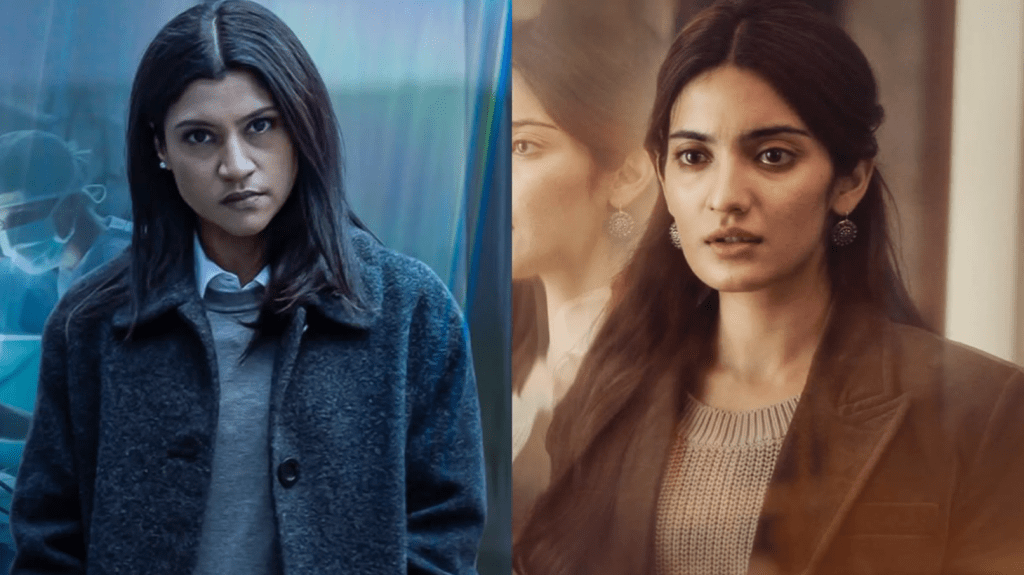
I waited a while before watching Neeraj Ghaywan’s Homebound on Netflix. Even with glowing reviews and friends urging me to watch it, I knew it wouldn’t be an easy experience. It’s heavy in more ways than one, because the film doesn’t just explore caste discrimination, it also shines a light on the prejudice faced by Muslims in India. So from the beginning, you know you’re stepping into something intense and uncomfortable.

Neeraj Ghaywan holds an important place in Indian cinema as he’s one of the very few Dalit directors who publicly acknowledge his Dalit identity. As viewers, most of us don’t sit and think about a filmmaker’s caste or religion when watching a movie. But the uncomfortable truth is that opportunities in the film industry still seem to be uneven. If he is the first Dalit filmmaker in decades because of gatekeeping rather than lack of talent, then that says a lot about how deep systemic bias still runs in India, even in an artistic platform like the film industry. This is something the film industries across India need to acknowledge and work on.

As expected, the story in Homebound was heartwrenching. It’s based on a real incident, which sadly doesn’t come as a surprise. The film also draws inspiration from the Bhim-Meem idea, a political expression that promotes Dalit-Muslim unity, adding another layer of depth and context to its narrative.

For me, the most heartbreaking scene was when Ishaan’s character, a young Muslim boy, is accused of being Pakistani after an India vs Pakistan cricket match. That moment was infuriating and hard to sit through.

At the same time, I feel Indian films need to move beyond the usual “General Category vs Dalit” and “Hindu vs Muslim” framework when addressing oppression. Recent incidents, including the honour killing of a Dalit man by an OBC family because he dared to love their girl, show that reality is much more complex in India, and discrimination doesn’t come from one direction. It exists across castes and religions. Dalit Christians, Pasmanda Muslims, and many others face layered forms of exclusion, yet these conversations rarely enter mainstream media or pop culture.

I recently spoke to someone from the Yadav community who felt that Yadavs should be getting more opportunities than others in Bihar. It surprised me, because it shows how deeply caste identity shapes expectations, even among groups that aren’t “upper caste.” It’s even sadder to see communities that once faced discrimination now repeating the same mindset toward those they see as lower in the hierarchy. Many people assume caste hierarchy is a simple top-to-bottom structure, but in reality, it behaves more like overlapping layers of status, power, and regional identity.

I also think about the discrimination that exists within minority communities. My neighbour, a very liberal Muslim woman in Kerala, once told me that some of her extended family members won’t eat food cooked by non-Muslims. So who addresses that side of prejudice?

If we want a more equal and united India, we need to acknowledge and call out all forms of discrimination. But if someone tries to make a film exploring other angles, it often gets labelled propaganda or agenda-driven. That makes honest conversation difficult.

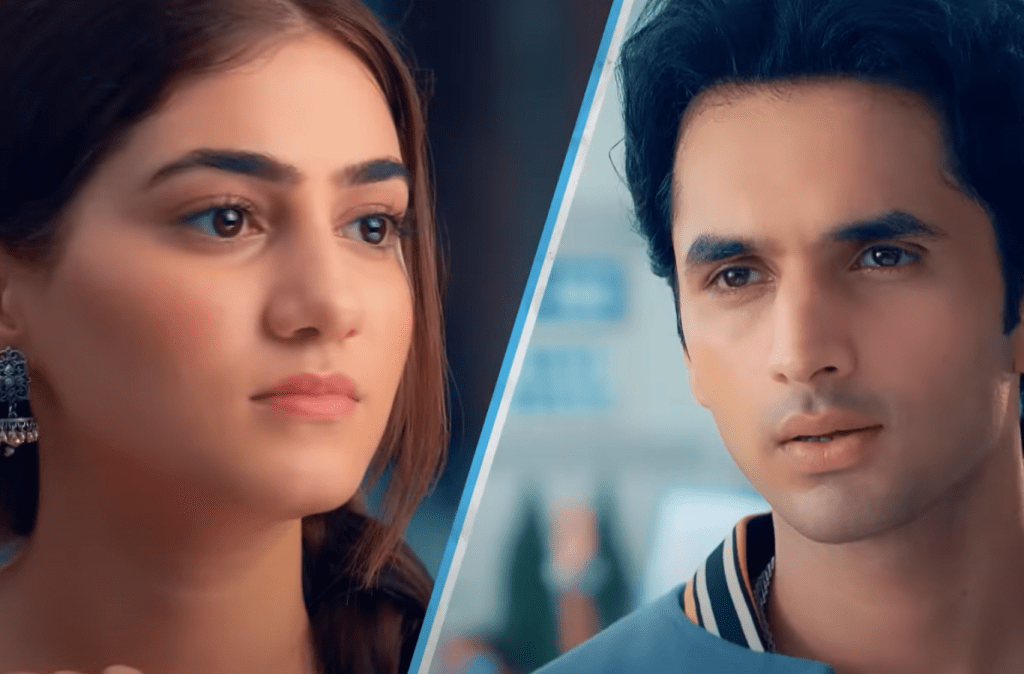
We’ve seen similar themes in films like Dhadak 2 this year, and even the first Dhadak explored the same kind of social divide. Something that stood out to me across movies in this space was the prominent placement of Ambedkar’s photograph. It’s a small detail, but it says a lot. Ambedkar himself is a layered and complex figure. His critique was not limited to Hinduism, and he questioned multiple belief systems with the same sharpness. But that side of him rarely enters public discussion, because even many of his admirers seem hesitant or defensive about acknowledging it.

Many of us are ready to recognise discrimination against Muslims and Dalits, and those conversations are important. But there should also be space to talk about other traumatic histories like the Kashmiri Pandit exodus without being dismissed or judged. Empathy and understanding shouldn’t stop at one group. If injustice matters, it should matter universally.

This isn’t a rant. Just a hope that our films, stories, and discussions grow braver and more layered. Because India isn’t simple. It’s diverse, complicated, emotional, and full of uncomfortable truths. And storytelling feels meaningful when it reflects that reality rather than just one slice of it.

Rohit Saraf Feels Like Old-School Romance and I Love It

Rohit Saraf Photo

I often find myself missing the old Bollywood romance era. Films by Yash Chopra or early Karan Johar had a kind of magic that is hard to find today. The lead pairs had real chemistry, the kind that made you feel every emotion with them. When they looked at each other with misty eyes, you felt like you were falling in love too.

But in many new-generation films, that spark seems lost. I don’t know whether it’s the acting, the writing, or the shift in filmmaking trends. Modern romance feels rushed, predictable, too dark, melancholic, or sometimes just flat. The warmth, passion, and emotional storytelling that defined classic Hindi cinema is fading, and I genuinely miss it.

In today’s film landscape, Rohit Saraf feels like a breath of fresh air. He brings back that soft, believable romance many of us grew up loving. One thing that stands out about him is his effortless chemistry with his co-stars.

My favorite project of his isn’t even a Hindi film. It’s the Tamil romance Kamali From Nadukkaveri, where his performance and chemistry with the lead actress, Anandhi, is genuine and sweet. I would also suggest watching his earlier series on Zee5 titled Woh Bhi Din The. He filmed it when he was much younger. The emotional connection between the characters feels very real. Also, let’s not forget his impeccable chemistry with Pearle Maaney in Ludo, which remains one of my favourites.

In Sunny Sanskari Ki Tulsi Kumari, Rohit Saraf continues that image of the ideal romantic partner. His chemistry with Janhvi Kapoor feels natural and much stronger compared to the chemistry between the main lead pair. Honestly, their scenes had more warmth and emotional pull. I found myself wishing the makers had focused on that storyline instead of pushing the romance between Janhvi and Varun Dhawan. It felt like the more organic love story was sitting right there, but never fully explored.

Personnally, I feel Rohit Saraf deserves more recognition for keeping that old-school romantic charm alive.

Maybe it’s time filmmakers start looking for the right lead pair for Rohit Saraf. If they get that pairing right, many of us women could finally relive the era of Kajol and Shah Rukh Khan or Aamir Khan and Juhi Chawla. Those iconic pairs made romance feel real, soft, and unforgettable.

A couple with that kind of natural chemistry is missing in today’s Hindi films, and audiences like me are definitely craving it.


Co-Ed Season 1 Review: A Warm, Surprising Gem That Won My Heart

Co-Ed Prime Season 1 Poster

It is by chance that I stumbled on the Co-Ed series on Amazon MX Player. The algorithm showed the trailer to me and I thought I would give it a try. I wasn’t expecting much but I was in for a surprise.

Co-Ed looks like a simple school drama at first, but it quickly turns into a lively mix of humour, friendship, and small twists that keep you curious. The writing feels fresh, and the young cast brings an energy that makes every episode, lasting around 20-30 minutes, easy to watch. I found myself hitting the next episode button without even thinking.

What’s It About?

Two twins step into a new chapter when their all-boys and all-girls schools merge to form a co-ed campus. The boy is nervous about sharing space with girls for the first time, while his sister walks in with full confidence. As they try to adjust to this sudden shift, their parents are also dealing with their own set of challenges at home. The mix of teenage chaos and family moments gives the series a relatable, everyday charm that keeps you curious about what happens next.

Thoughts

Co-Ed Season 1 took me by surprise. I didn’t expect to enjoy it this much.

Every actor in the series delivers a heartfelt performance. Honestly, they outshone many big names I watched this year. That says a lot. You slip into the world of the characters so easily that their joys and troubles feel like your own. You laugh with them and you end up tearing up with them too.

The parents in the story add another layer of emotion. Their struggles feel raw and real. I could sense the mother’s pain as she tries to hold everything together while staying proud of her small business. The question is, does her family see the same value in it? On the outside, the parents look like the perfect couple who split chores and support each other. But life is rarely that simple. It is often the quiet moments, the unsaid thoughts and the tiny frustrations that shape a home. Co-Ed captures all of this with surprising depth.

Rajeshwari Sachdev, Varun Badola, Adrija Sinha, Vedant Sinha, and Stuti Sahijwani are impressive in their respective roles. They complemented each other perfectly.

Shows like Co-Ed deserve a lot more attention. Viewers who enjoy warm, slice-of-life stories often find these gems by luck, not because they are promoted by popular reviewers.

For me, this one is a must-watch. You can stream it for free with ads on Amazon MX Player.

Netflix Movie Spotlight: Baramulla

Baramulla Movie Poster

What defines horror? We often think of ghosts, possessed souls, or strange creatures with no clear form. Yet I realized there’s another type of horror that hits harder. The ones that combine these supernatural ideas with the harsh truths of real life. This is a type of blend that creates an impact, which stays with you long after the movie is over. This is where Baramulla is about.

What’s It About?

Baramulla opens with a policeman who moves to Kashmir and stays in an old house filled with secrets. He is there to investigate the disappearance of children in the area. Strange events start to unfold at once. The elder daughter senses a foul, “dog-like” smell in the house, even if there are no dogs. The caretaker carries a plate of food every day to a locked room. What lies behind these mysteries? Why are children vanishing? These questions drive the heart of the story.

Thoughts

I can’t, unfortunately, share everything I felt without giving away the main plot. Since I wanted to share my thoughts in full, I placed them in a separate “Spoilers Ahead” block after this section. You can skip it if you prefer to avoid spoilers.

Baramulla left me with many emotions. I was genuinely amazed by how the team crafted it.

The movie tries something that Indian cinema, to my knowledge, hasn’t attempted before in a horror movie. That is, blending the past and the present into a story that’s rooted in historical events. It reminds you that horror has layers. It’s not only about the unknown, but also the known. The horror of trust turning into betrayal. The horror of being dismissed or gaslit. The horror of violence, both mental and physical. Baramulla captures all of this with sharp clarity.

The performances are strong across the board. Personally, I would say it’s a must-watch.

Baramulla is now streaming on Netflix.

**Spoilers Ahead**

I felt emotional through many scenes. The acting was powerful and honest. The pain never felt exaggerated.

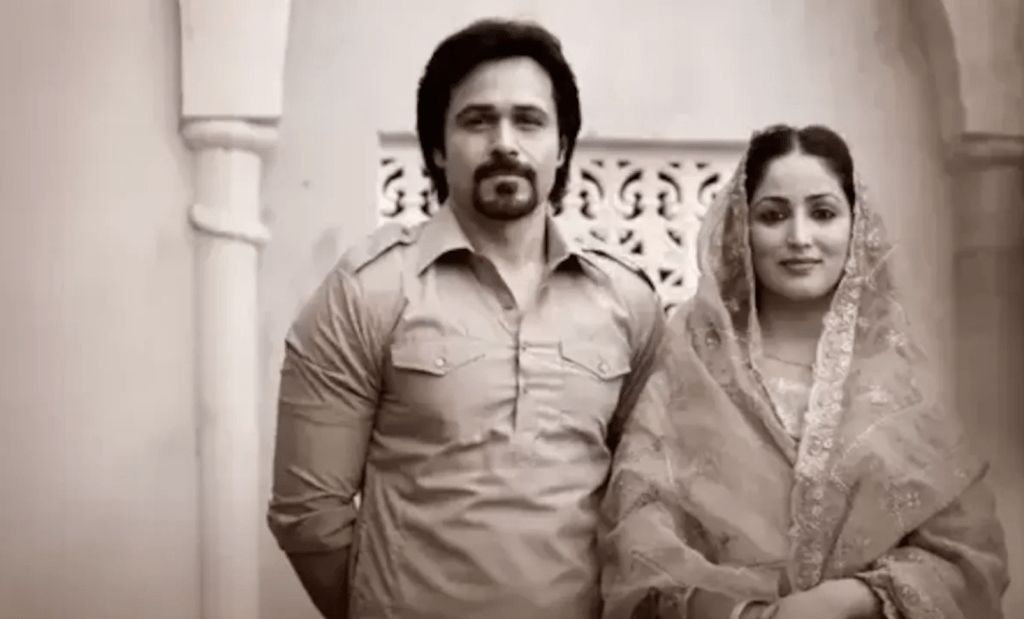
By now, you probably know that the film draws from the suffering Kashmiri Hindus faced in the late ’80s and ’90s. Many cast members are Kashmiri Hindus who had to flee their homes. Manav Kaul is one of them. He left Kashmir when he was in grade 4. He moved on to become a competitive swimmer in his late teenage years and participated in state and national-level championships. He has more than 14 national medals in swimming to his credit.

The end scenes also show Sanjay Suri, which is befitting, since his father was killed by terrorists in Srinagar when Suri was just 19. He moved to Delhi after that and became a known face in the film industry.

The producer and writer, Aditya Dhar, who is also Yami Gautam’s husband, is a Kashmiri Pandit. He has been using his craft to share Kashmir’s story with care and technical prowess.

Some Kashmiri Pandit celebrities, like Kunal Khemu, have chosen not to explore their past, and that is their personal choice. In an interview with Smita Prakash, he said he doesn’t know much about that period, even though his own family lived through it.

I feel it’s important for us to understand our history so we don’t repeat old mistakes. Stories like these should be passed from one generation to the next. My only regret is not asking my grandfather about his experiences—how Kerala felt during the Indian freedom struggle, and what life was like then. Those anecdotes have been lost forever, as he did not pass on the stories to his children as well.

It’s remarkable that so many Kashmiri Hindus who had to flee the valley are using art to express their experiences instead of resorting to violence. Their goal is empathy and understanding, something they were denied for a long time, not provocation. Choosing storytelling over violence is admirable, especially in a world where violence is often justified in the name of resistance.

There are also a few Kashmiri Hindus with left-leaning views who defend problematic groups and take part in “Free Kashmir” sloganeering, similar to how a very small number of non-Zionist Israelis speak in ways that don’t reflect the wider population.

Most Kashmiri Hindus (and some Kashmiri Muslims) have appreciated the movie. However, left-leaning Hindus are also criticizing the movie for “propaganda,” even though the events have been well documented. Films that depict and educate the viewers on crimes against Muslims in India are welcomed, while films showing crimes against Hindus are often dismissed as Islamophobic, nationalist, or propaganda. This imbalance is where many activists struggle. They accept one truth but not the other.

People like me have slowly stepped out of that mindset to face the whole truth.

It may take a while, but I really believe the truth will eventually reach wider acceptance sooner or later. And the stories can’t stop until the pain is finally acknowledged. They need to be told, retold, and carried forward. Only then will they finally find the place they deserve.

Movie Review: Param Sundari

Param Sundari Movie Poster

When my mother heard Janhvi Kapoor speak Malayalam in Param Sundari, she said, “That’s how Tamilians in Kerala speak.” So I’m guessing Janhvi’s character in Param Sundari is meant to be Tamilian. She does say a line in Tamil at the beginning, which might be the clue.

Still, it’s odd that her ammavan (Renji Panicker) speaks flawless Malayalam, while his son Venu, who grew up in Kerala, speaks Malayalam with a Tamilian accent. Not exactly consistent. Maybe he picked it up from his best friend, Janhvi’s character?

You will have to make similar conclusions and cook up your own stories to stay at peace with several things in the movie.

What’s It About?

Param, a wealthy start-up enthusiast, heads to Kerala to prove to his father that his newly funded dating app is worth the investment. At a resort there, he meets Sundari, and a love story quietly begins to unfold.

Thoughts

If you ignore the stereotypes, the sardar friend’s racist jokes, and the painfully bad Malayalam, it’s actually not such a bad movie. The first word that catches you off guard is when they pronounce Alappuzha as “Aalapozi.” I’m not sure if it was intentional. But yeah, leave behind your brain while watching this one.

The real star, of course, is Kerala. My state has been beautifully captured from start to finish. So, kudos to the filmmakers for that.

Janhvi looks lovely and delivers a stronger performance than Sidharth Malhotra. He also looks way older than her in the movie.

Param Sundari is streaming on Amazon Prime Video.

Short Film Spotlight: Anuja

Anuja Short Film Poster

I was craving to watch a slice-of-life drama. Something simple, not too heavy or filled with dread. I honestly thought Anuja would be intense, given how the synopsis sounded. Plus, it’s a Hindi short film that was an Academy Award nominee.

Now, why would I mention the Academy Award nomination like it’s a bad thing? I have my reasons.

To be honest, Oscar nominees have rarely worked for me. In Malayalam, we call such films “award padam.” The kind that feels too abstract or complex for ordinary viewers (like yours truly). There was a time in my life, long ago, when I pretended to enjoy such films just to seem intellectual in front of my then-partner. But I couldn’t keep up the act, and that image fell apart the moment that relationship ended. Now, it seems I’m making up for that lost time. All I want to watch are feel-good films.

So when I saw that Anuja was an Oscar nominee, it didn’t excite me enough to hit play right away. It actually made me hesitate. After all, the Oscars have a reputation for picking Indian films that focus on pain and poverty, what many call “poverty porn,” which does not fully represent what India is today.

Still, I decided to give it a chance.

What’s It About?

A 9-year-old girl works with her sister in a garment factory in India. Despite being naturally bright and curious, she doesn’t attend school because of financial struggles. And, truthfully, she doesn’t want to either. Her elder sister, however, recognizes her potential and dreams of giving her the education she deserves.

Thoughts

The film was a pleasant surprise. I loved it. It was just 22 minutes, but packed with emotions.

It tells the story of child labourers. They are presented not as helpless victims, but as resilient children who find joy even in hardship. The truth is, we often see others through our own lens and may view them as “helpless.” But for them, this is simply life. They know no other kind of life, and they’re doing their best with what they have. That’s what the movie captures so beautifully — life as they see it, not as we do.

It’s a social hierarchy. Someone wealthier might be looking at me with pity, thinking I’m suffering. Yet I’m making the most of what I have, because that’s the life I know. We suffer mostly when we lose something we once had, when we can compare the before and after, and we truly miss the before.

I’ve often felt that those not well-off often make the best of what little they have, which is why they find happiness in the smallest things, like a bag of jalebi, for instance. Anuja captures that spirit beautifully: “The present may not be bright, but we can strive for a better tomorrow.

The film avoids moral preaching or lecturing. It’s simply about two sisters supporting each other in a harsh world.

The most moving part of the film is that Sajda Pathan, who plays Anuja, was once a child labourer in Delhi before being rescued by the Salaam Baalak Trust (SBT). She now lives at the NGO’s Day Care Center, founded in 1988 by filmmaker Mira Nair, who, interestingly, is also the mother of New York’s new Mayor, Zohran Mamdani.

Ananya Shanbhag also delivers an excellent performance as the elder sister, Palak.

I would definitely recommend the short film. Anuja is streaming on Netflix.